Tag: diet
-
Is it possible to get enough protein in your diet if you reduce the amount of meat you eat? Can carbon footprint of your diet still be low if you are eating plants as a substitute that have come from abroad? This article was inspired from a comment I saw on Instagram about someone expressing…
-
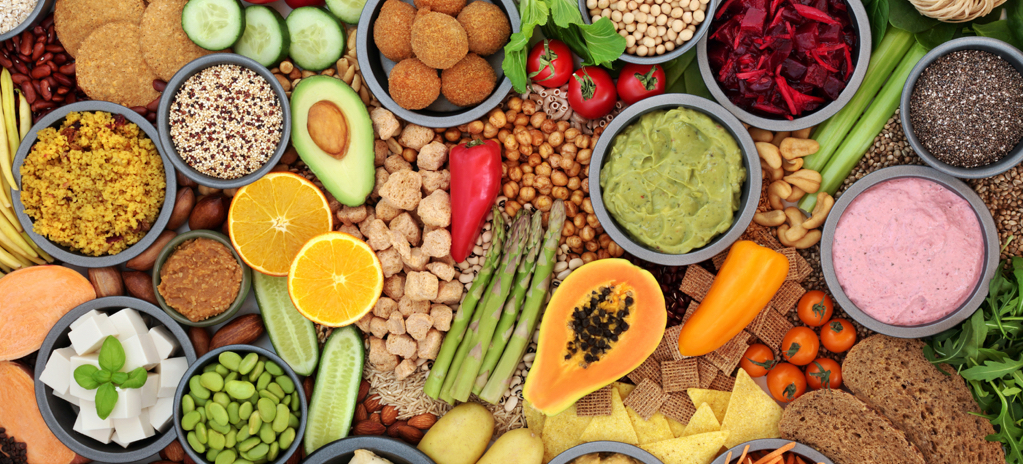
Our guest author, Leticia Drier, nutritionist discusses the benefits of a plant-based diet and how we can use it to improve our health. You might have heard about the idea of eating 30+ plant foods a week to improve your health. It comes from research by The British and American Gut Project (2018) which revealed…
-
The average British person produces 11 tonnes of carbon emissions a year. Ideally, we would halve our carbon footprint by 2030 if we to reach Net Zero by 2030. But this seems like a very big task. Do we need to make very big changes in our lifestyles? Dr Hannah Ritchie suggests that we focus…
-

Many people think that reducing your carbon footprint requires a huge reduction in the quality of their lifestyle. The truth is you do not need to make huge sacrifices to cut your carbon footprint significantly. The UK has cut its carbon footprint by 50% since 1990, the first major economy to do so, and living…
-

It is best to align a strategy of reducing your carbon footprint with your personal goals. Do you want to improve your finances? Are you concerned about your health? Do you have little time to think about how to reduce your carbon footprint? Is it a priority but not your main priority or are you…
-
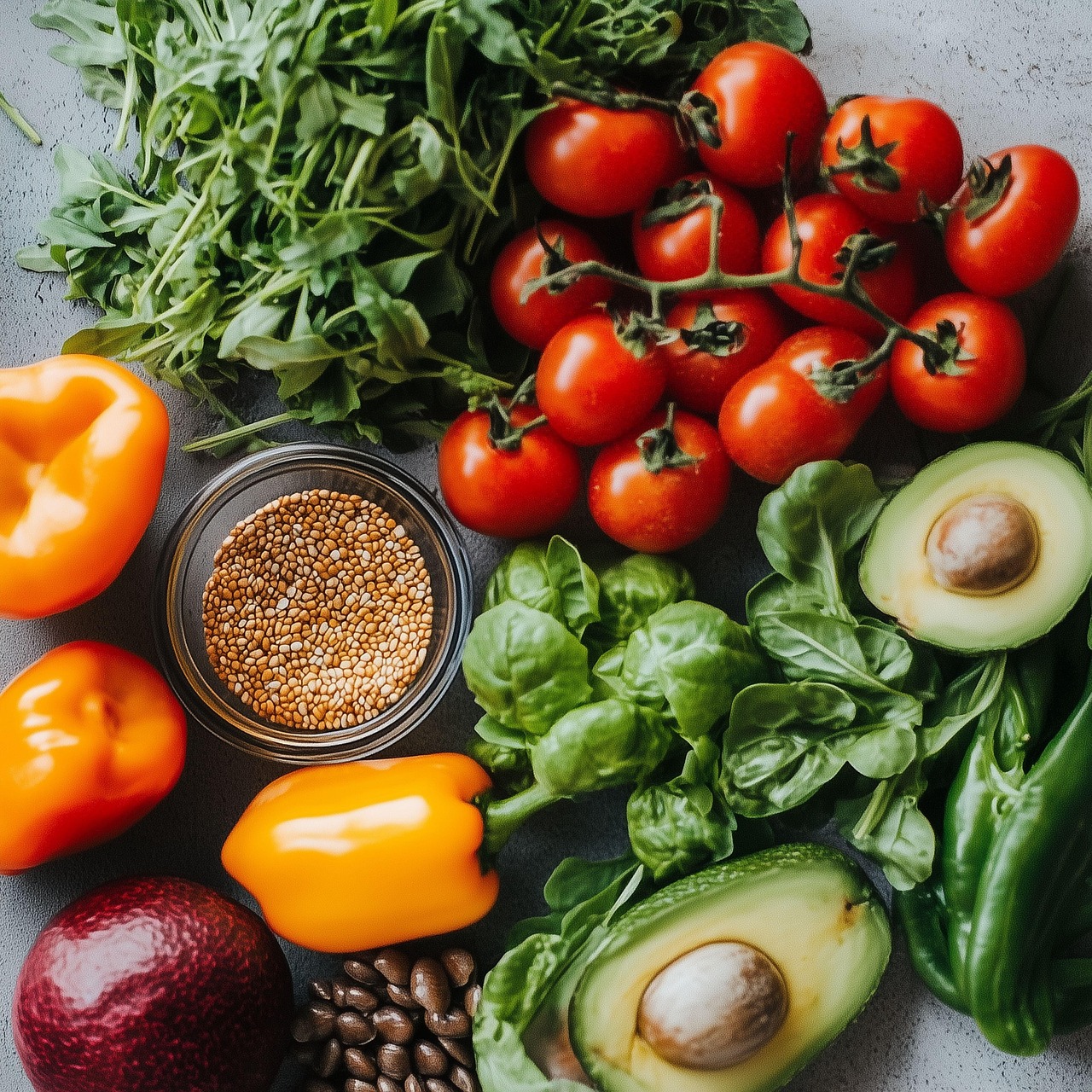
A plant-based diet is the most compatible diet with a Net Zero world. Only diet can sustain a world population that could grow to 10 billion people in the future. In a plant-based diet, plants make up to at least two thirds of your diet and meat only makes up to one third. Plants do…
-

Cheese as a food product produces large amounts of carbon emissions. Most of the emissions in cheese production comes from the burps of cows. The way cows digest food mean that they produce methane, which is a greenhouse gas which contributes to global warming. Climate change scientists, such as Professor Bernes-Lee, argue cheese should be…
-

If you are a heavy meat eater, it is hard to know how to switch over to a plant-based diet. A plant-based diet is essential in a Net Zero world as it will halve the carbon emissions from our diet. There are also many benefits to adopting a plant-based diet: you will save up to…
-
Surveys suggest that people think recycling will make the biggest difference to their carbon footprint. There are countless blogs explaining how to reduce our waste to practically zero. However, the truth is no matter how much effort we put into recycling, it will neve reduce our carbon footprint as much as other actions and we…
-
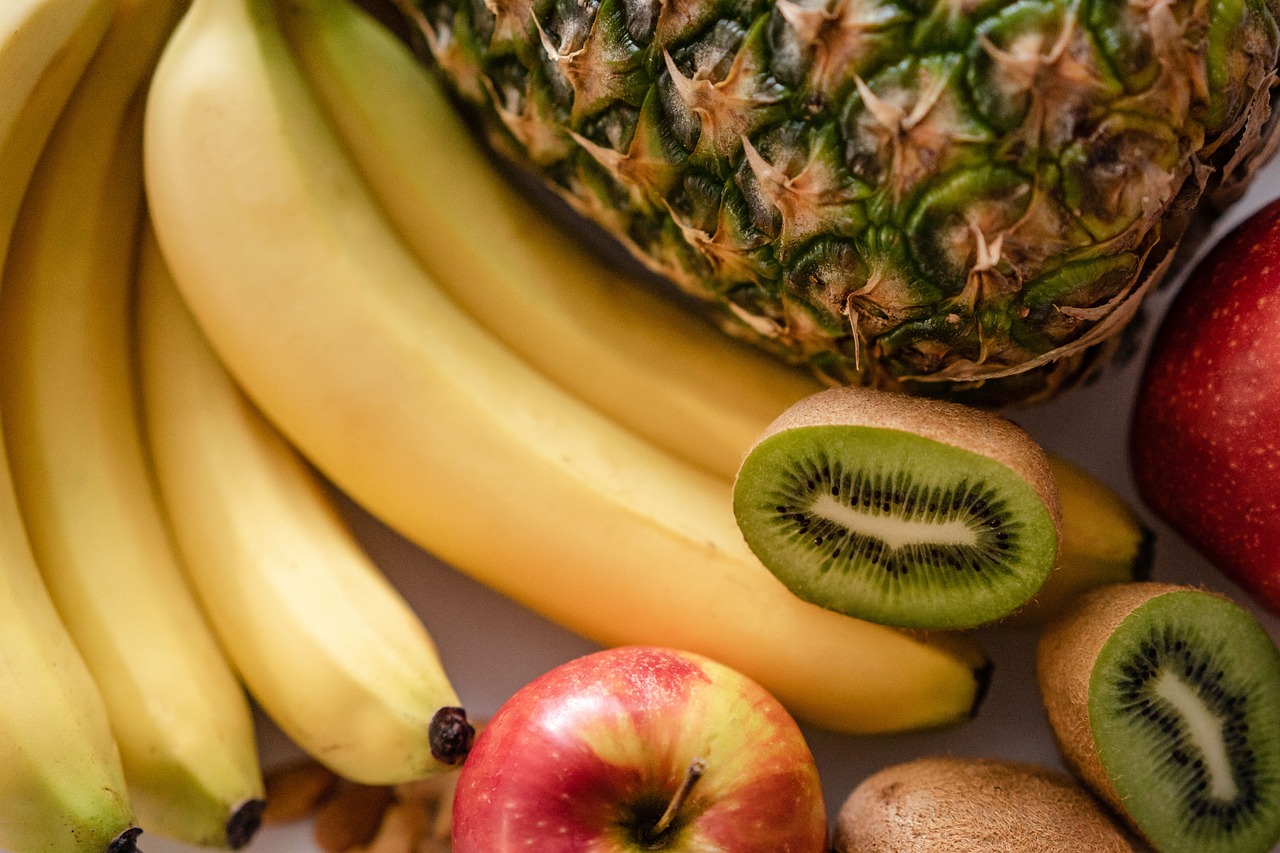
There are a huge number of reasons to adopt a plant-based diet. Not only is it good for the planet and saves you money, but it also improves your health significantly. This is the diet backed by evidence from research centres around the world, such as the Harvard Medical School, and the verdict of such…