Category: Household
-

It is true that every action we take makes a difference to climate change. But there are some actions which make a much bigger difference than others and it is important to put our efforts in the right place to cut our carbon footprint properly. The task to get to Net Zero is big, but…
-

How can you cook, bake and warm up food in a way that reduces your carbon footprint? Does washing the dishes yourself or using a dishwasher have a lower carbon footprint? Choosing energy efficient cooking utensils in the kitchen is a good way of lowering your carbon footprint and saving money on your energy bill.…
-

Do you need to invest a huge amount of money to reduce your carbon footprint? It is well known that heat pumps, solar panels and electric cars reduce our carbon footprint. They are great long -term investments which can be used to permanently reduce energy bills, but they require upfront payment or a loan, which…
-
Energy bills are set to rise around the world as the US-Iran war continues to increase oil prices. In the UK, bills will rise by 13% in 2026 and the average household will spend £1,862 on energy bills each year. This is having a significant impact on the cost of living and many of us…
-
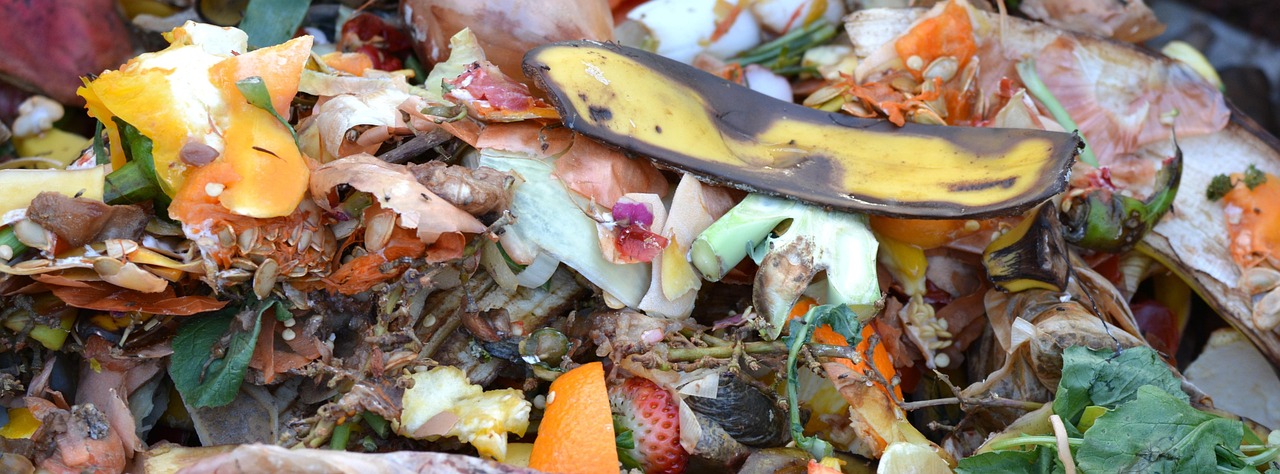
There are two things that contribute the most to our diet’s carbon footprint and it is probably not what you think it is. Factors such as whether the food is organic, if it is local or packaging make a small difference to our diet’s carbon footprint. The transportation and packaging of food only contribute 5%…
-
Heatwaves around the world are causing droughts and drying up rivers at an alarming rate. As a result, water shortages are going to be a widespread problem in the future. It is estimated that demand for water is expected to outstrip supply by 40% by 2030 because of extreme weather caused by climate change. The…
-

Heatwaves have been hitting Europe over the past few weeks with devastating consequences. It caused deaths for humans across the continent and it has been damaging to the environment. Hotter summers has caused droughts and wildfires in many countries and harmed the habitats of animals and making it harder for them to thrive. Biodiversity, the…
-
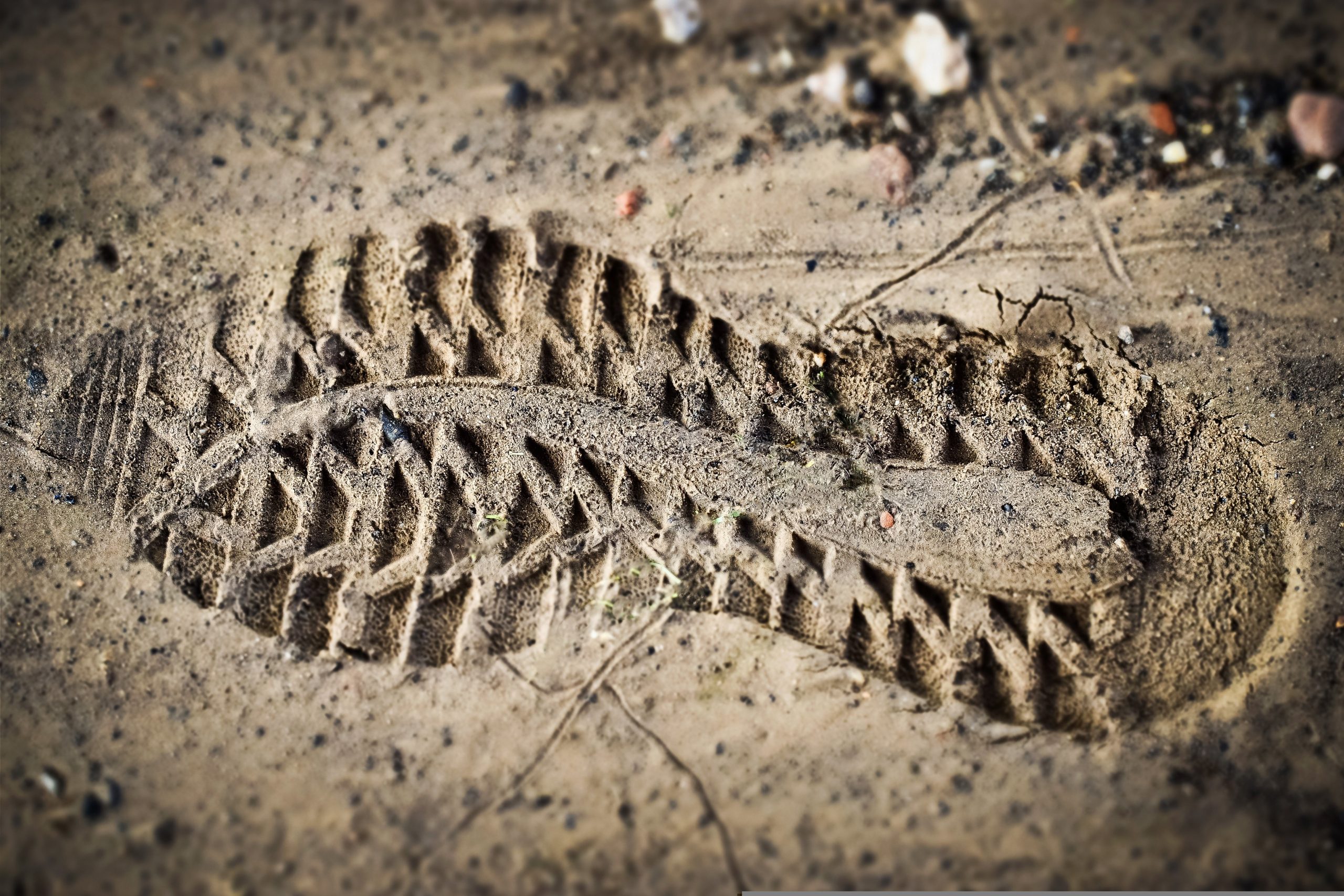
The average British person produces 12 tonnes of carbon emissions a year. Ideally, we would halve our carbon footprint by 2030 if we to reach Net Zero by 2030. But this seems like a very big task. Do we need to make very big changes in our lifestyles? Dr Hannah Ritchie suggests that we focus…
-
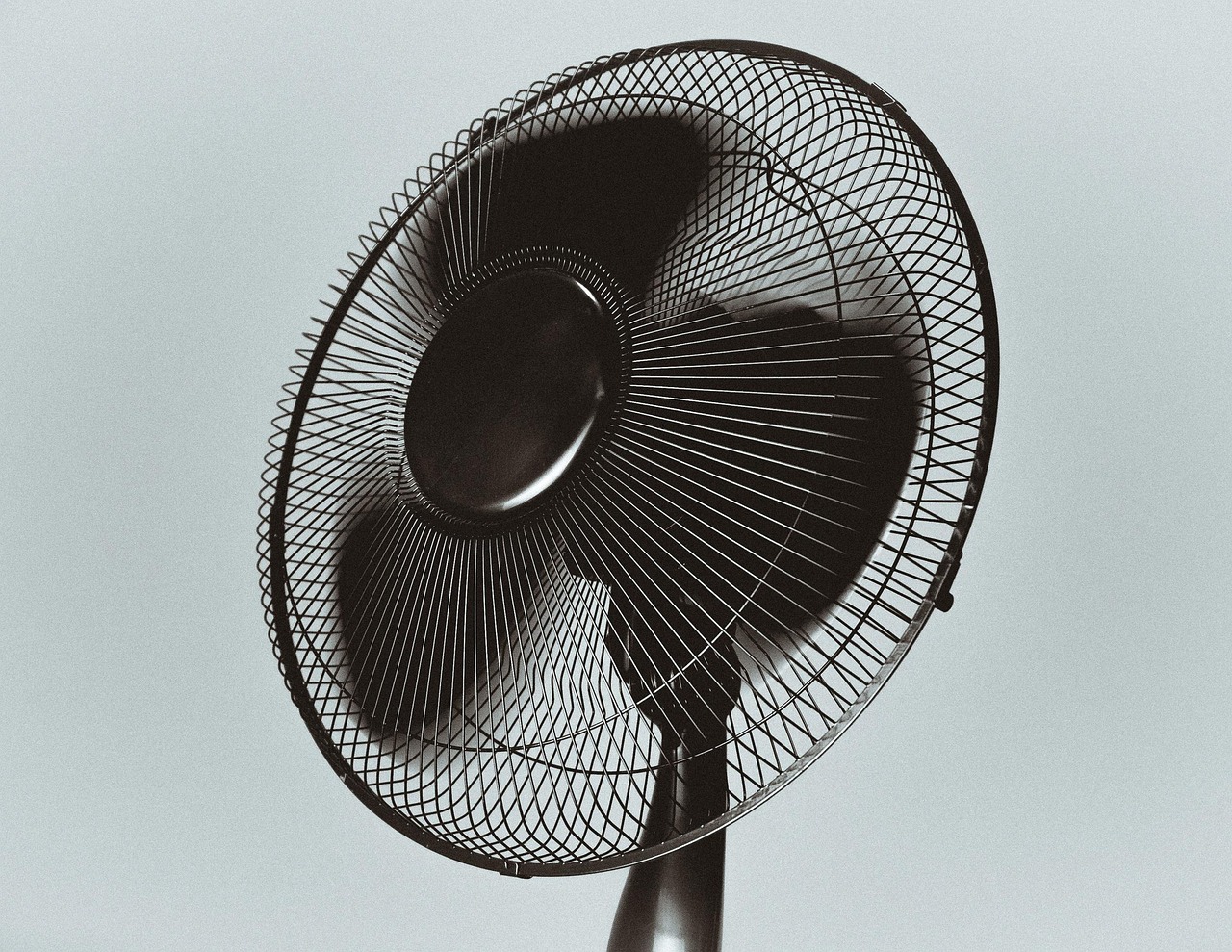
Heatwaves are going to be much more common in the future. Rather than being an occurrence every few years, by 2050 they will be happening every summer. What is a heatwave? A heatwave is a period of abnormally hot weather lasting at least two days. What is considered hot weather depends on the typical temperature…
-

How can you do gardening in a way that benefits the environment and makes your life easier? Manicured lawns are very popular but maintaining a manicured lawn is difficult and time consuming. The regular mowing, watering and weedkilling takes a lot of effort and is back-breaking work. But there is an opportunity to create a…