
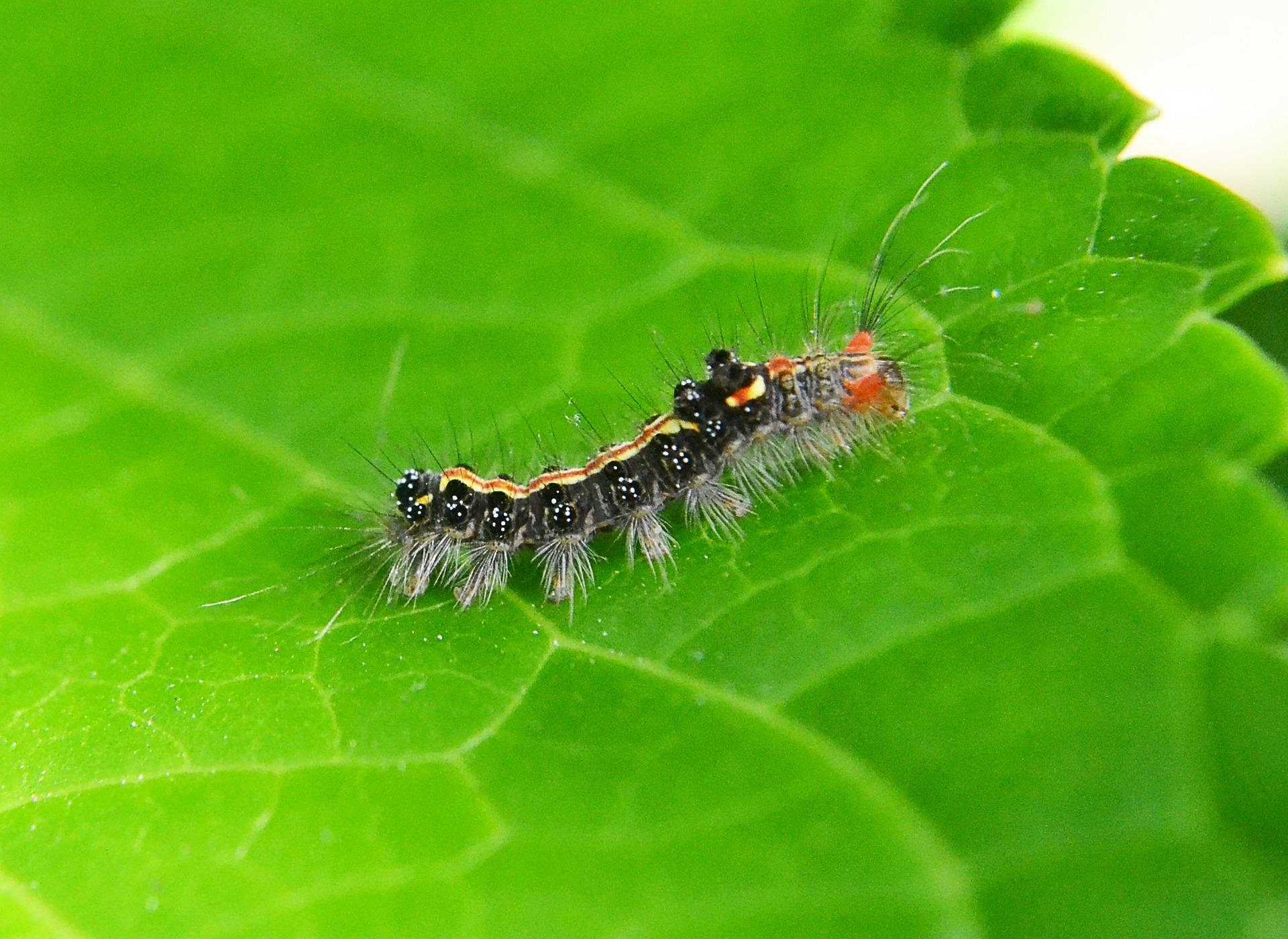
How you manage your garden contributes to your carbon footprint and has an important impact on biodiversity. One of the things we have to deal with in our garden is getting pests under control. The main way to get pests under control is usually using pesticides, but using pesticides has many disadvantages for our environment. Although its main impact comes from farming, residential use of pesticides contributes to the devastating impact on biodiversity and raises your carbon footprint.
What are pests?Pests are unwanted animals, plants, or other organisms that interfere with human activity. They may damage property, destroy food crops, bite or make lives more difficult for humans.Pesticides are substances designed to kill or control the growth and behaviour of living organisms.
Why should we not use pesticides in our garden?
Many leading organisations do not suggest using pesticides in gardens and suggest using different approaches to managing pests. Studies have suggested worldwide use of pesticides, particularly for agricultural use, has been one of the main contributors to the biodiversity crisis we face at the moment. Pesticides used in residential houses add to this crisis have a number of harmful effects. It creates water and soil pollution as it seeps into the ground. More recent evidence show pesticides can even cause harm in an indoor environment whether it is used indoors or outdoors and it can adversely affect our health. It can create respiratory problems and is linked to causing cancer and an neurodegenerative diseases such as Parkinson’s disease and Alzheimer’s disease.
Prevent pests so there is no need to cure
The first solution to managing pests in the garden is to prevent them in the first place. There are lots of ways to do this. Pest populations rise and fall so in some cases, you just need to be patient and they will go away by themselves in a short period of time. If you cannot wait, you can monitor populations and nip them in the bud before they can boom. Pheromone traps and sticky traps work on insects such as moths and can monitor population increases. If can be more effective if you have knowledge when insect population are likely to increase. The younger your plants are, the more vulnerable they will be and they will need to be monitored more frequently.
Mechanical removal
You can remove colonies of insects by washing them off with a hose or pick them up with your hand (like slugs). By watching regularly for infestations, you will be able to nip it in the bud early. Creating barriers between plants and pests an keep the out too. Barriers such as mesh cages keep out flying insects. Growing the right plants and keeping them growing strongly will keep pests under control. Insects such as hoverflies eat aphids, so attract them by growing the right plants into your garden.
Make your own pesticide
You can make your own pesticides with no toxic chemicals harming the environment or yourself. This saves you money as well lower, you’re your carbon footprint because they are not made and transported from abroad, and will spread toxins into the environment. Here are some homemade pesticides suggested by Sally Nex, author of ‘How to garden the low carbon way’:
Tomato leaf deterrent: chop up 500g of tomato leaves and leave in a 1 litre of water overnight. Strain the water and spray onto plants. This deters and kills sap-sucking insects.
Beer slug traps: slugs love beer, so putting a glass of beer on the ground will attract and drown many slugs in one go.
Soapy water: stir one tablespoon of liquid soap into 1 litre of warm water. Spray this onto leaves to suffocate sap-sucking insects.
Milk: mix milk with water at 40:60 ratio and spray on vegetables to treat mildew.
The Royal Horticultural Society recommends using cultural controls (such as weeding by hand) before using pesticides. They suggest if you want to chemicals, then choose products that have the label ‘organic’ or have a low environmental impact.
Mix up your plants
Another way to prevent pests spreading in your garden is to confuse them! When you grow plants of the same variety, it makes it very easy for pests to sniff out their target plants. If you grow a combination of plants, this jumbles up different smells. Sally Nex suggests planting to following combination to prevent pests:
Sweetcorn, squash and French beans: plant sweetcorn first and then sow beans to scramble up the corn. Growing squash next to it keeps soil damp and free of weeds.
Cabbages and red clover: growing red clover under cabbages reduces egg-laying cabbage butterflies by 60-90 percent.
Strawberries, borage, chives and thyme: growing strawberries with herbs distracts insects from strawberries. Chives help to repel aphids and borage and thyme will attract pollinators.
Sources: Pesticide Action Network UK, The Royal Horticultural Society and ‘How to garden the low carbon way’ by Sally Nex
Leave a Reply