
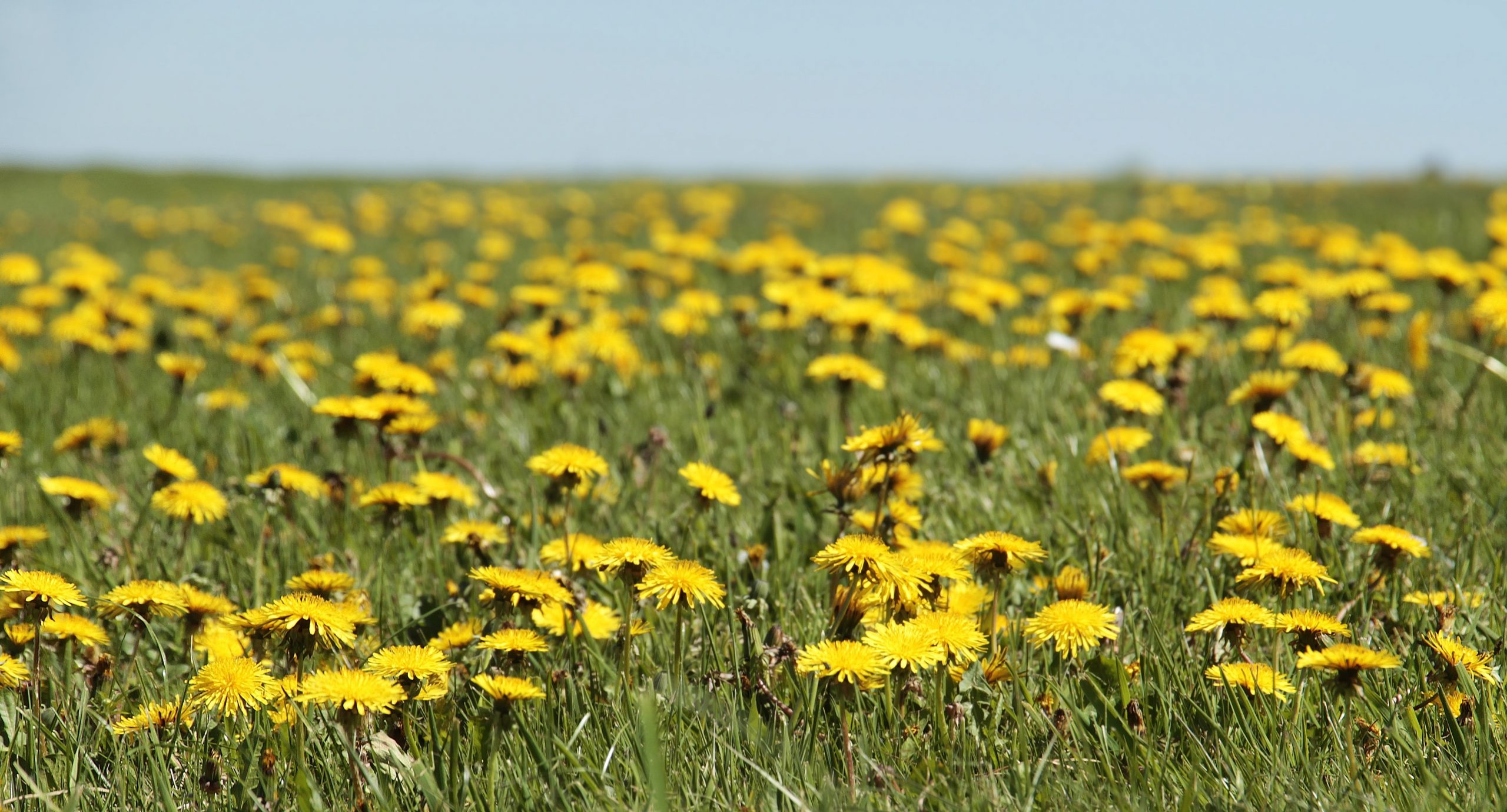
One of the main gardening tasks we do is to taking out the weeds from our garden. But you would be surprised to know that how we take out weeds has an impact on our carbon footprint and the biodiversity in our garden. What are weeds? Weeds are any unwanted plant growing in an area of desired plants, such as crops and desirable plants. They take up bare earth where there is scarce planting. They can grow from roots many metres in the soil and spread seeds in all directions making them difficult to find. It is possible to take out weeds without adding to your carbon footprint and there many approaches managing an effective counterattack if you have a real problem with them in your garden instead of reaching for spray bottle weedkillers.
Why are weed killers so bad?
Spray bottle weedkillers contain harmful chemicals will can cause unintended consequences for the health of your plants, animals (including you pets) and even humans. Glyphosate, triclopyr, clopyralid and diquat are widely used in weedkillers and damage plants you do not want to kill because of the risk of spray drift onto plants. There are different types of weedkillers and the type effects the damage on plants. These chemicals can twist and distort leaves, turns them yellow and brown and causes swollen stems, warts and galls on plants.
Weedkillers seep into the soil and destroy the processes of photosynthesis, structure and microorganisms and this reduces fertility of plants in the garden. It can also harm animals including pets. When weed killer gets onto fur and paws, it can cause vomiting, skin irritation, and breathing problems. It harms invertebrates and pollinators such as bees that feed on plants, which is why it is bad for biodiversity. Not only can it be bad for soil and animals, there is some evidence it can harm your health. Studies looking at the impact of weedkillers with glyphosate suggest a potential link to increased chances of getting cancer, liver and kidney damage and cause digestive issues. Weedkiller also causes surface and groundwater pollution by weedkiller runoff and incorrect disposal and this causes damage to aquatic life.
There is also the carbon footprint associated with producing weedkiller as they are made and transported across the world which increases the carbon footprint of gardening.
Look at weeds as wildflowers
How can we change our approach to weeds. The easiest thing to do is not to see them as weeds at all and instead see them as wildflowers. Whether you like the look of them or not, weeds are important for biodiversity, so taking out weeds reduces food available for species. Weeds such as dandelions and buttercups are important in providing pollinators with nectar, especially in early Spring. Yarrow is also an important source of food for many species of moths. Biodiversity is rapidly on the decline around the world because of habitat loss and any way we can help in our gardens makes a difference.
Kill weed without using weedkiller
Weedkiller is harmful for the ecosystem but there are easy ways to get rid of weeds without using it, if you don’t like wildflowers and want your garden to look manicured. The easiest thing to do is to hand pull or hoe weeds as they emerge. Pulling them repeatedly will weaken them and finally kill them. Repeated cutting prevents photosynthesis, so cutting back weeds with hands, mowing or a strimmer.
Weeds can be killed with boiling water from a kettle. This can be done on paving and instantly kills them down to the roots. Other ways to kill weeds is to get an electric weeder. This burns off patio weeds with a ‘thermal shock’ and should be repeated weekly. Another way to get rid of weeds is to smother them. They will not have access to light which prevents them growing. There are a few ways this can be done: you can cover the soil with cardboard, organic mulch or lay biodegradable mulch film. Filling borders with plants prevents weeds from germinating because they have to compete with water and light. Also grow Southern marigolds helps to suppress weeds. These are giant flowers that stop other plants growing nearby including weeds by emitting chemicals from its roots.
Prevent weeds growing in the first place
A way to reduce the number of weeds in your garden is to prevent them from growing in the first place. Mulching, such as cut grass or compost, is an easy and free way to suppress weeds. Hoeing with mulch on the ground is an even more effective way of suppressing weeds because they destroy weed seedlings whilst they are small. Another way to get rid of weeds is to bury them with two inches of organic matter. All that weed seeds need is light to germinate, so this takes away their opportunity to grow.
Source: Royal Horticultural Society and ‘How to garden the low carbon way’ by Sally Nex
Leave a Reply