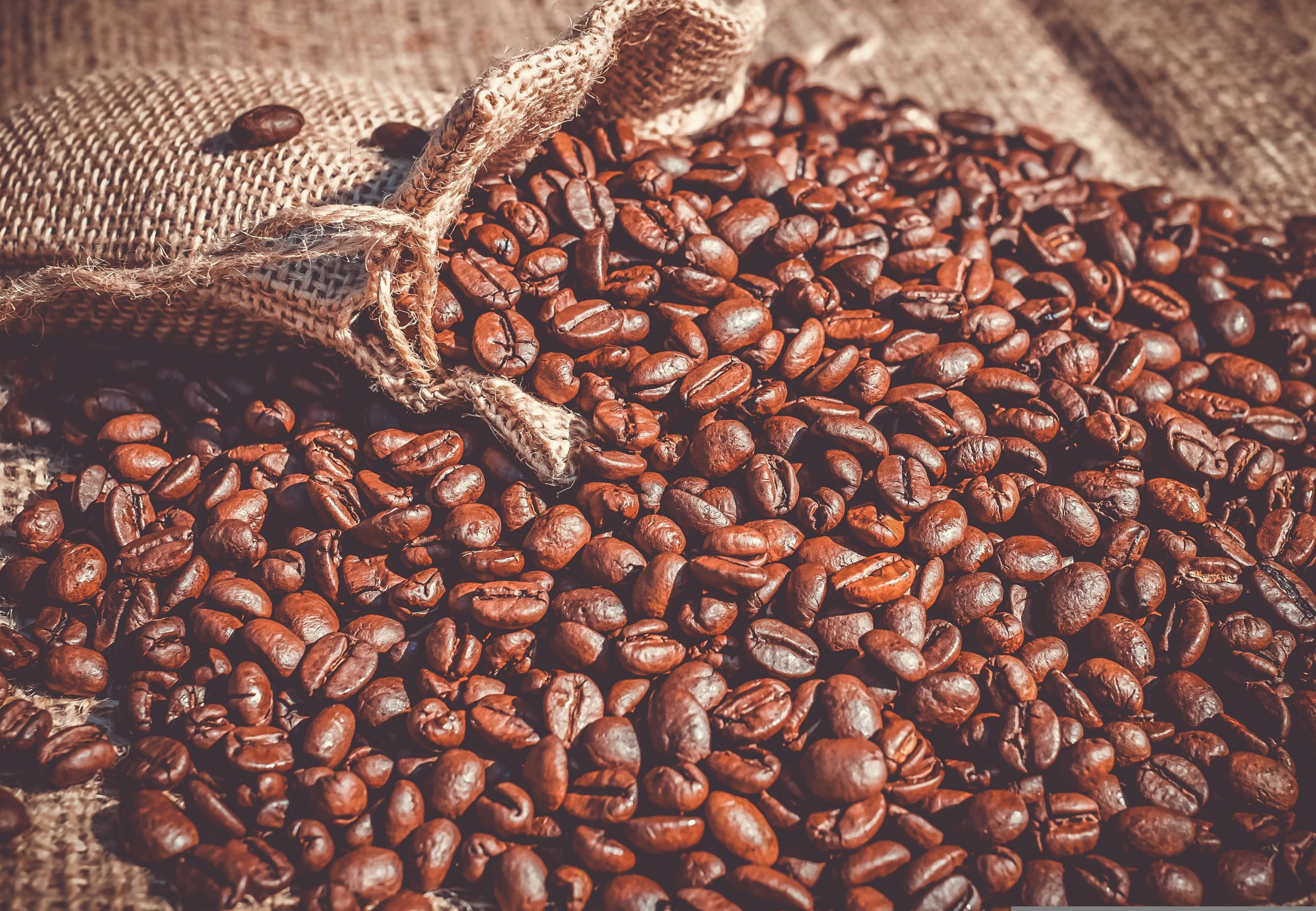
Coffee is big business with two billion cups consumed every year. Coffee drinking is set to change a lot over the coming decades because it is an industry heavily impacted by climate change. We mostly consume two types of coffee beans, Arabica and Robusta, and 75% of them are made in five countries Ethiopia, Vietnam, Colombia, Brazil and Indonesia. But as global warming is causing extreme weather, it is becoming harder to grow coffee beans with more unpredictable rainfall and rising temperatures.
It is predicted by the International Panel on Climate Change (IPCC) that climate change will halve the land available for growing coffee beans by 2050. This will push the price of coffee to extremely high levels. The price of coffee beans has increased already by 40% in the past year and that is on top of a 30% price increase between 2021-2024. If you love your caffeine fix and can’t live without coffee, how can you choose a coffee with a lower carbon footprint?
Coffee and milk
Adding dairy milk to coffee makes a big difference to a coffee’s carbon footprint because a lot of land is needed for cows to graze and to grow their food. Raising cows is the main reason for deforestation and they produce methane (a greenhouse gas) from digesting food. This means any products that come from cows automatically has high carbon emissions. Research by University College London (UCL) shows the carbon footprint of these coffees with dairy milk:
Lattes 0.55 kg
Cappuccinos 0.41 kg
Flat whites 0.34 kg
Espresso 0.28 kg
The data shows that more dairy milk in a coffee increases the carbon emissions of the drink. Lattes have the most milk compared to cappuccinos and flat white and so has the highest carbon footprint. Espresso has no milk in it and has half the carbon emissions of a latte. Reducing the carbon emissions of these drinks can be done using alternative milks such as oat milk, soy milk and nut milks. Which alternative milks have a lower carbon footprint? Data from Our World in Data compares greenhouse emissions created from a litre of milk:
Dairy milk 3.15 kg
Rice milk 1.18 kg
Soy milk 0.98 kg
Oat milk 0.9 kg
Almond milk 0.7 kg
Since all alternative milks have a lower carbon footprint than dairy milk, it does not matter which one you choose. There is concern that milk from soy beans encourages deforestation. Whilst it is true that forests are being destroyed to grow soy beans, it is mostly grown to feed farm animals rather than making food for humans. Humans consume such a small percentage of soy beans that it would not make much difference if we consumed more soy milk.
Coffee beans and sustainability
The most popular coffee beans in the world are Arabica and Robusta coffee beans and they come from countries with tropical rainforests, such as Brazil, Colombia and Indonesia. Although it is not a large driver of deforestation, rainforests are cleared to grow coffee beans and with demand set to triple by 2050, more tropical forest is at risk of deforestation. Choosing a coffee using sustainable coffee beans make a big different to a coffee’s carbon emissions. Research from UCL shows that the same coffees made with sustainable coffee beans (with dairy milk) have a much lower carbon footprint:
Lattes 0.33 kg
Cappuccinos 0.2 kg
Flat whites 0.13 kg
Espresso 0.06 kg
Using sustainable coffee beans cuts the carbon emissions of your coffee by at least 40%. It is best to check whether coffee beans used by your coffee shop are sustainably sourced. When you are buying coffee for yourself, buy from certified schemes which ensure coffee beans have been made with ethical standards.
Coffee and extra toppings
Adding more ingredients to a coffee increases its carbon emissions. It takes energy to make and transport ingredients like sugar and cream, so the more complicated and decadent the coffee, the more carbon emissions the coffee will have. Things that always increase the carbon footprint of a coffee is adding whipped cream, sugar and sprinkles, so avoid adding these things to coffee if you want to keep your carbon footprint down. It will also have less calories and be better for your health.
Making your own coffee
When you are making your own coffee, you have more control over the way it is made. The biggest impact you can make is to be careful how much water you put in the kettle to boil. Boiling water takes a huge amount of energy, even if it for a short period of time. On average, most people put double the amount of water they need to in a kettle when making a hot drink. If you are making coffee with hot water, you can reduce your carbon emissions by not filling up the kettle too much.
Leave a Reply