
Tag: climate change
-

As we move towards a lifestyle with a lower carbon footprint, our activities will need to be more aligned to scenarios of Net Zero world. Is there a way of choosing hobbies that have a low carbon footprint or even improve the environment? There are some popular hobbies that can improve our environment and create…
-

The average British person produces 11 tonnes of carbon emissions a year. In our article ‘What actions make a big difference?’ about lifestyle changes that make a big difference to your carbon footprint. There are actions which are more well known to reduce our carbon footprint, but they do not make as much of an…
-

We have created a list of books which have been a source of inspiration for this blog and recommend that you read. They burst myths, make it easy to understand how our choices impact our carbon footprint and provide good tips of how to properly cut our carbon emissions. These books are written by experts…
-
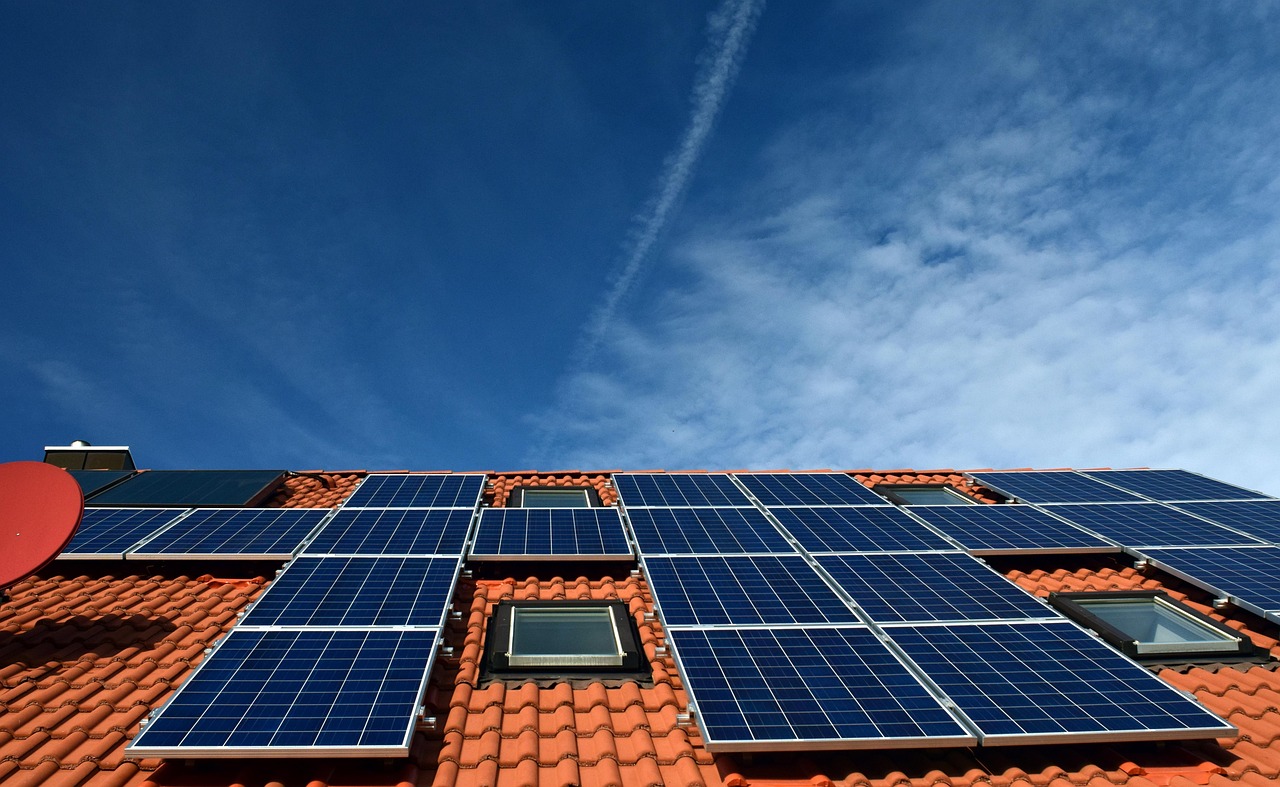
If you are interested in making big, long-term investments in your home to make it more energy efficient and lower your carbon footprint, it is best to investigate current technologies to see what is right for your home. You can make these investment work for you personally because there are reasons to invest in your…
-

We are experiencing wetter winters and scorching summers as global warming continues. This is causing floods in the cold seasons and droughts in the hotter seasons across countries, and it will become commonplace in the future. As water shortages are inevitable and water bills will rocket up, it is wise to invest in a rain…
-

How can your garden contribute to the fight against climate change? You can grow plants to lock away carbon for generations and boost biodiversity. Every action helps towards cutting carbon in our atmosphere and improving habitats for threatened species. Here are a few tips by Sally Nex from her book ‘How to garden the low…
-

Many people think that reducing your carbon footprint requires a huge reduction in the quality of their lifestyle. The truth is you do not need to make huge sacrifices to cut your carbon footprint significantly. The UK has cut its carbon footprint by 50% since 1990, the first major economy to do so, and living…
-
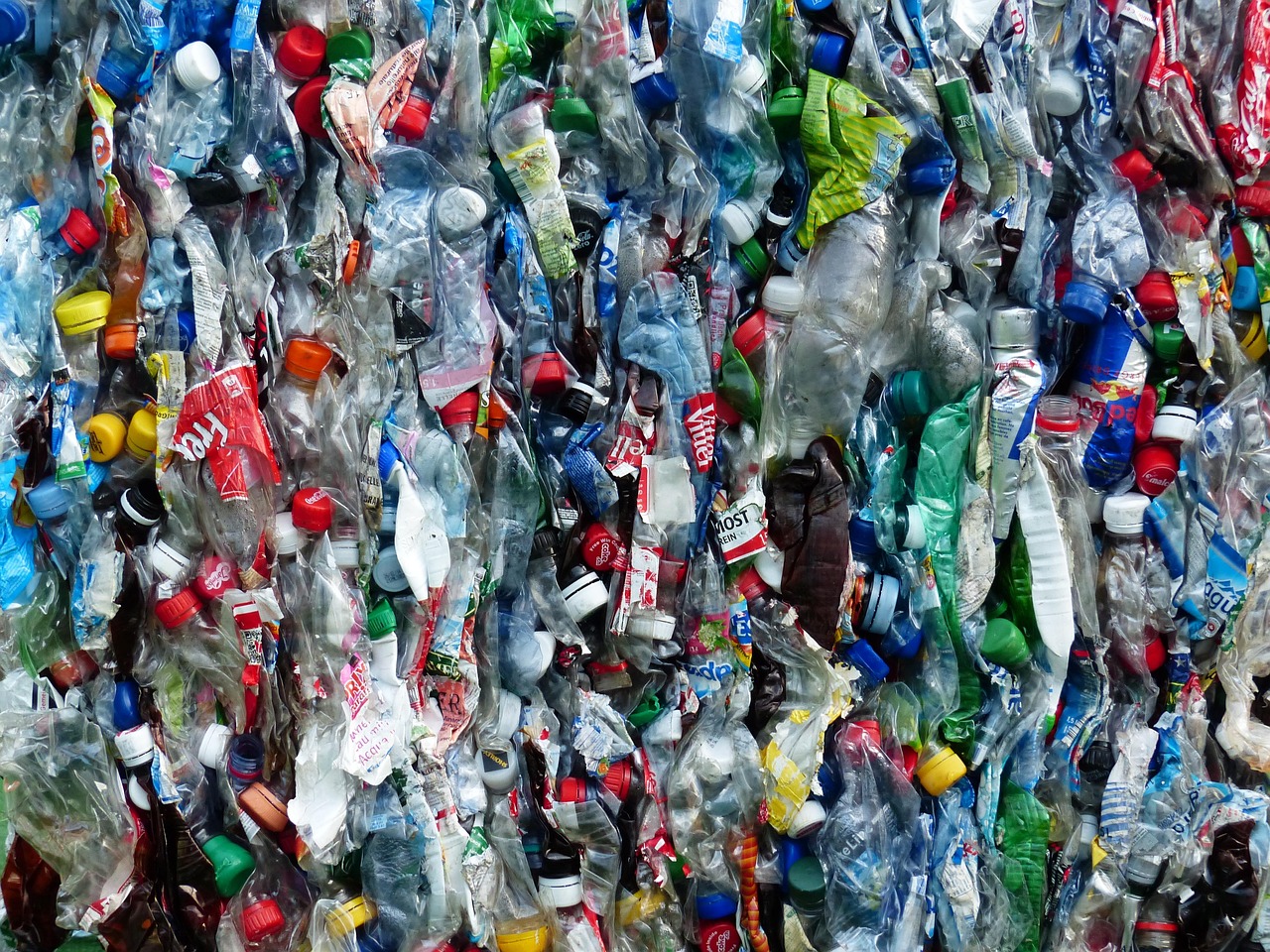
Plastic is everywhere – in the air, in the soil, in the rivers and in the sea and in our bodies. Microplastics have even been found on the top of Mount Everest and remote parts of the Arctic! We produce 450 million tonnes of plastic globally and this is set to grow exponentially in the…
-

Achieving Net Zero would require all humans to be producing 2 tonnes of carbon emissions a year. Currently, the average human produces 7 tonnes a year and this varies widely across the world. But what would such a low emissions lifestyle look like? Would it mean we cannot travel abroad anymore by 2050 because of…
-
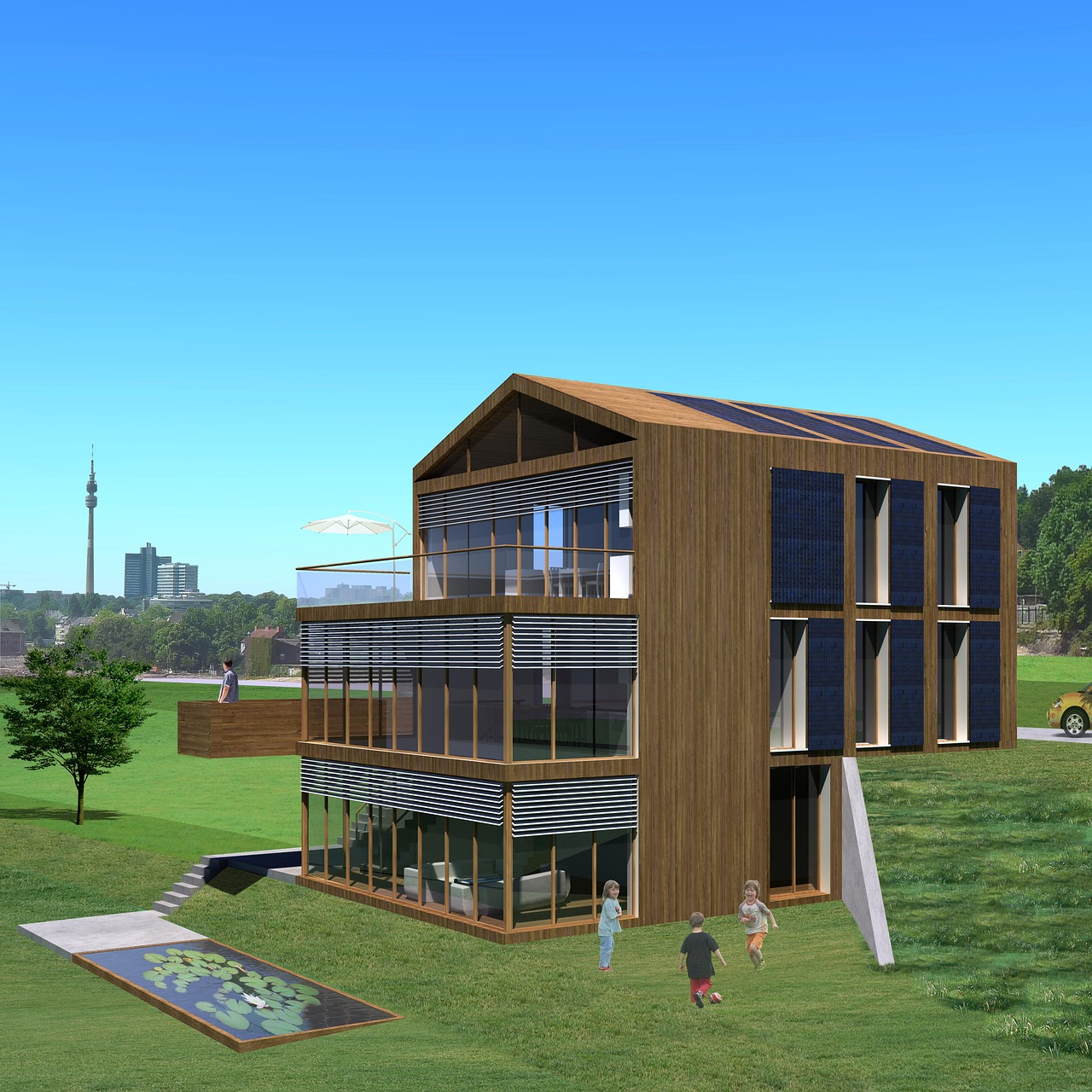
How low can the energy of a building become? The concept of the Passivhaus has put this to the test. A Passivehaus (Passive house in English) are buildings that can maintain constant temperature with minimal heating and cooling. These building are considered the gold standard in energy efficiency because of the way they are designed…