
Tag: carbon footprint
-

We often hear that it is necessary to get a heat pump in our homes to reach Net Zero by 2050. This is true according to the Climate Change Committee, as they hope at least 80% of homes have a heat pump by 2040. But public opinion is mixed on heat pumps, and only 10%…
-
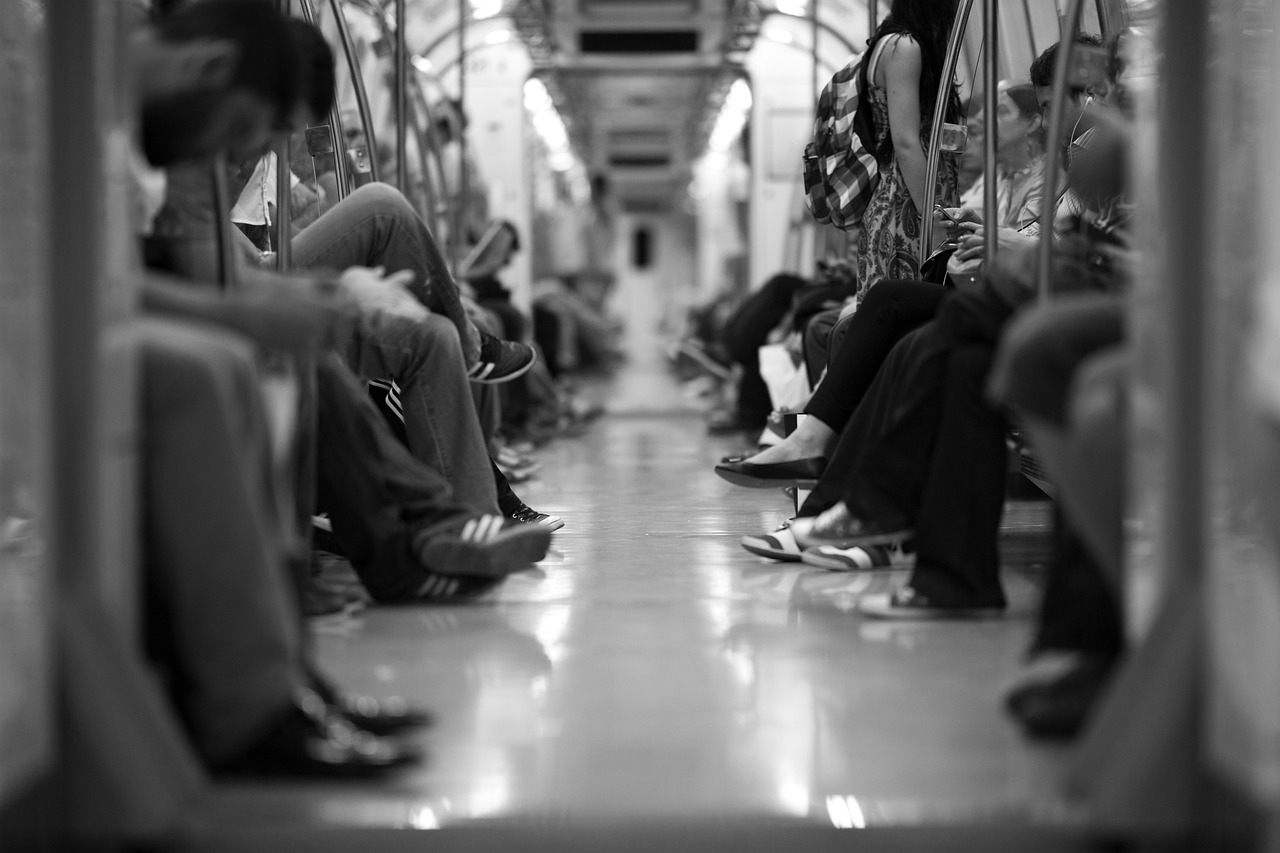
Our travel choices make up 27% of our carbon footprint. On average, we emit 3.4 tonnes of carbon annually from our transport choices. If we gave up having a car, we would save 2.4 tonnes of carbon emissions and if we replaced a car with an electric car, we save 0.8 tonnes of carbon emissions.…
-
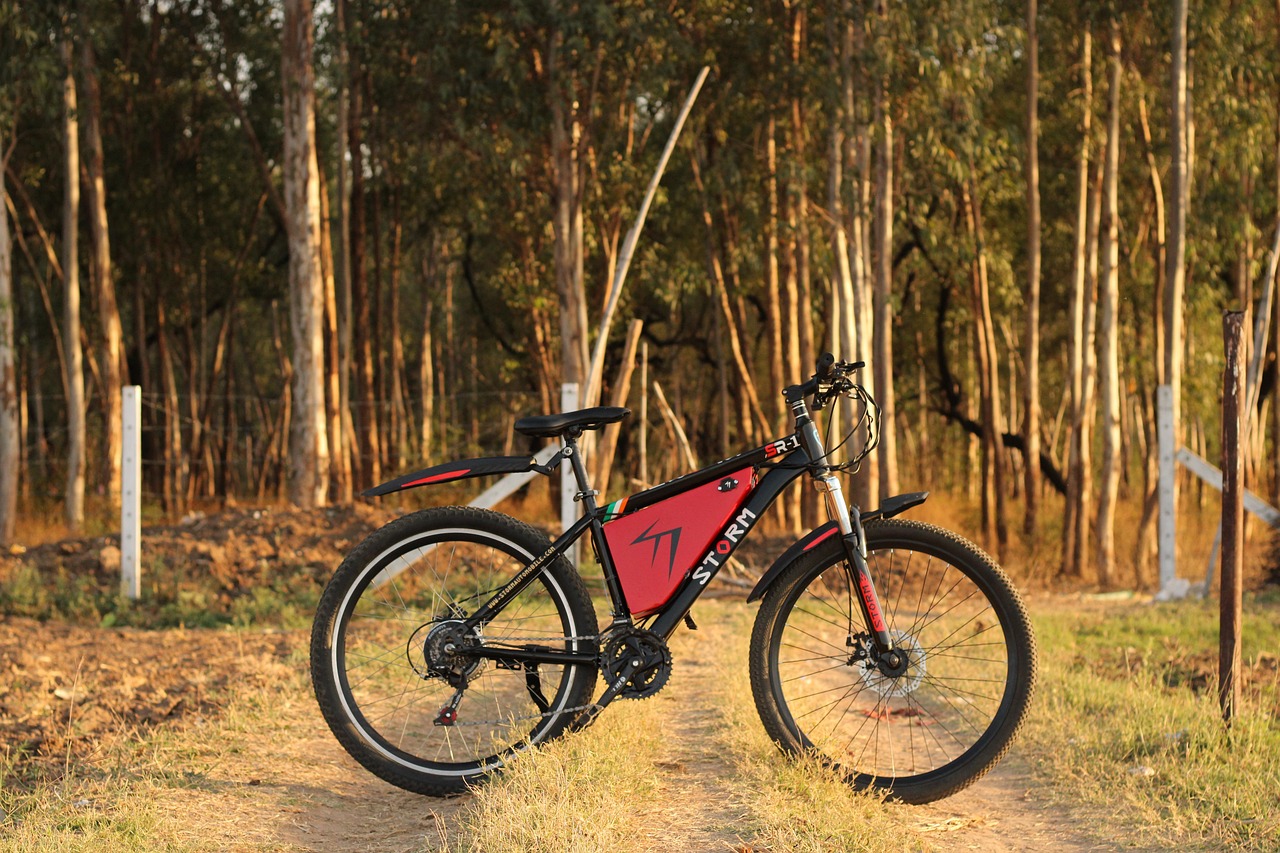
What modes of transport can we use to replace a car? One option which is gaining popularity are electric bike, also known as ebikes. Surveys suggest that ebikes are a more attractive alternative to diesel and petrol cars than an electric car, electric mopeds, electric motorcycles or electric motor scooters. Ebikes mean you can commute…
-

We produce 50 tonnes of electronic waste globally each year. On top of this, over 80% of electronic goods are not recycled. What should you do with the electronics in your home? Smartphones Avoid getting upgrades on your smartphone and changing it regularly. If you do change your smart phone, choose one that is second…
-
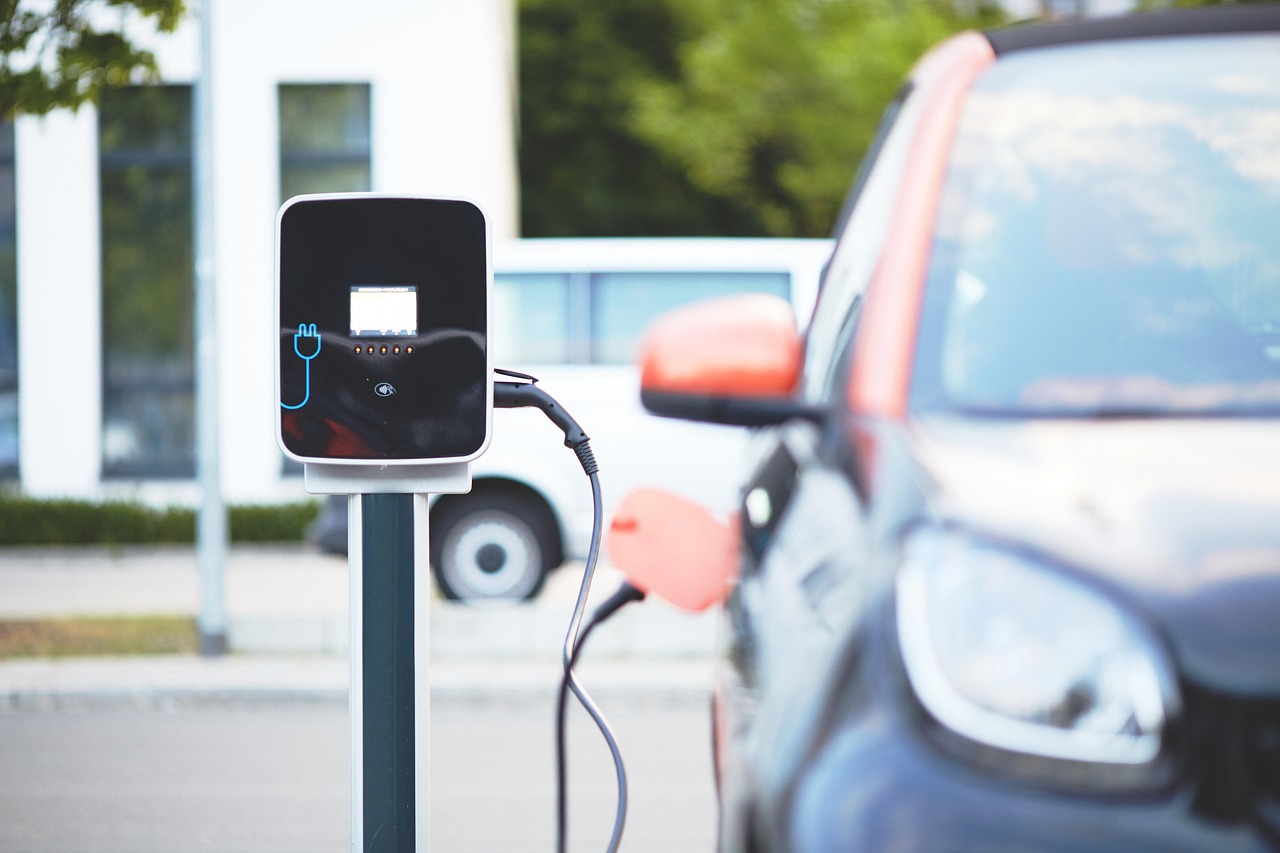
Many people have doubts about electric cars. Many argue that they are too expensive, there are not enough electric plugs in the UK, they create more carbon emissions in their production than they save. But many of these arguments are wrong and it is worth investing in one. It is not possible for the world…
-

How can we reduce our carbon footprint when using the bathroom? There are some products we can buy which will lower our water use and reduce the amount of waste we create. A water hippo in the cistern A water hippo is placed in the toilet cistern and save 3 litres of water every time…
-

It is not obvious how our water use at home contributes to our carbon footprint. Our use of water contributes to our carbon footprint in a few ways: it needs to be treated and transported to us and then heated when we want hot water. All of this requires energy and adds to our carbon…
-

Here is a list of books which have been a source of inspiration for this blog. They burst myths, make it easy to understand how our choices impact our carbon footprint and provide good tips of how to properly cut our carbon emissions. These books are written by experts in this field, with their suggestions…
-

Local elections are coming up in Britain on the 1st May and there have been increasing attacks on the idea of ‘net zero’ from some political parties. The idea of net zero and climate change is being characterised as left-wing, expensive and pointless. The truth is climate change and the race to get to net…
-

Plant-based meals are what we should be eating in a net zero world. If we reduced the amount of meat and dairy we eat, it would reduce deforestation and carbon emissions dramatically. Less land would be required to grow our food because raising animals and feeding them takes up so much land. If everyone switched…