
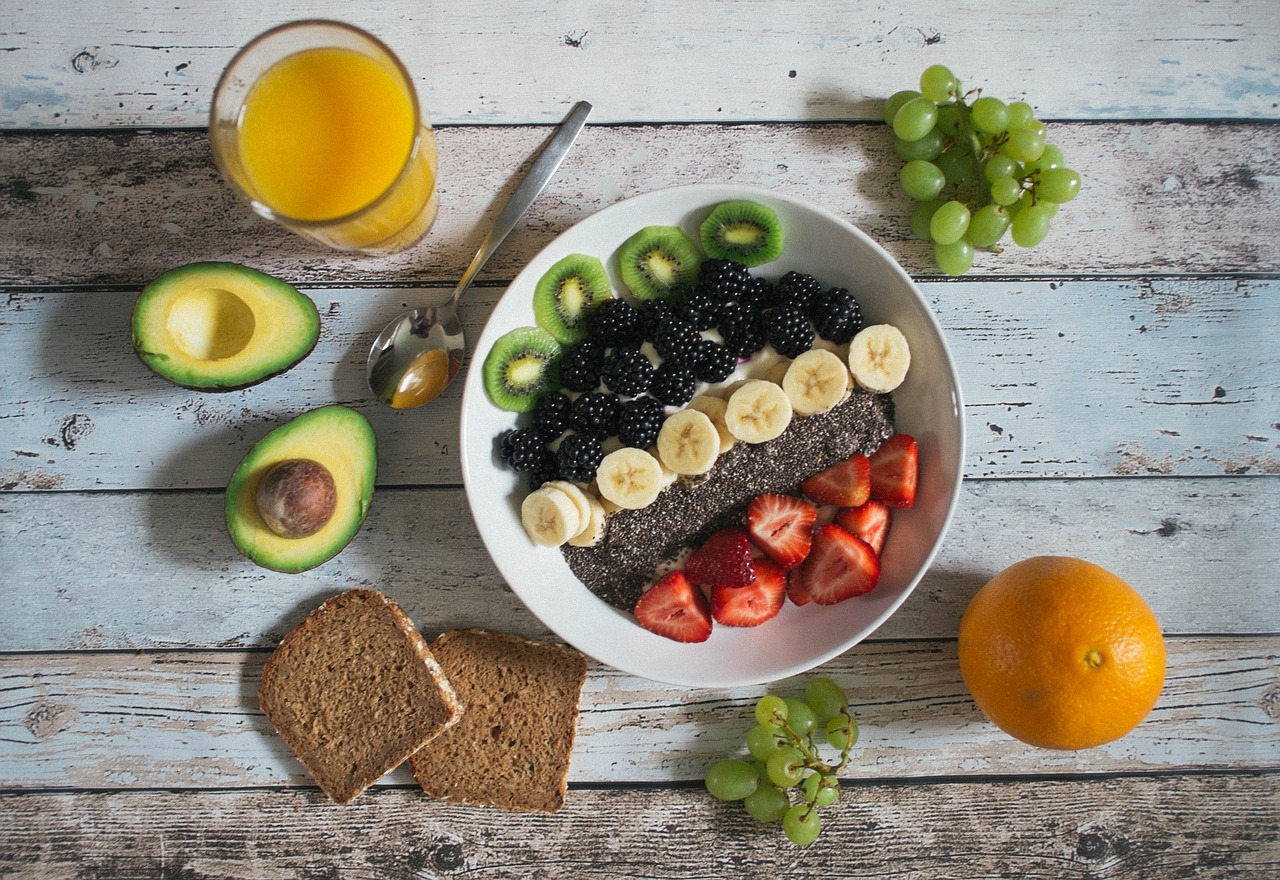
We should all be eating plant-based breakfasts in a Net Zero world. But what is a plant-based breakfast like? In some cases, it will be simple substitutions to what you already have. In other cases, it will mean being more creative with ingredients. Plant-based diets allow for some meat and dairy. Making your breakfasts more plant-based is also an opportunity to build a healthier diet. Having a plant-based breakfast will increase the amount of fruit and vegetables you eat and reduce the number of calories you consume.
Porridge with plant milk
Porridge is one of the healthiest breakfasts to have. A way of making this breakfast plant-based is by using plant milk instead of cow’s milk to make porridge. A bowl of porridge with cows’ milk produces 800g of CO2e (carbon emissions) and a bowl of porridge with soya milk is 450g of CO2e. To boost its nutritional value, dieticians suggest adding fruit and cinnamon on top. Berries are seasonal in the UK between May and September, whilst fruit such as bananas, apples, oranges and pineapples are seasonal all year round.
Toast
Toast is a low emissions breakfast, regardless of what type of bread it is. Using a vegetable spread instead of butter made from cow’s milk will make toast entirely plant based. Making this change reduces the carbon emissions of toast by over 40%. Toppings should ideally be plant-based too, such as jam, marmite or avocado. Avocado is popular to put on toast and usually comes from abroad from places such as Mexico. But the carbon footprint of avocados is not high because they are transported by boat instead of airplane.
Scrambled tofu
Scrambled tofu is a good substitute for scrambled eggs. Eggs are a high emissions food because egg-laying chickens eat wheat and soy. Carbon emissions from wheat come from the fertiliser used to grow wheat. Soy production is one of the leading causes of deforestation, which contribute hugely to climate change. Scrambled eggs usually have dairy products in it, such cream and butter. A good substitute for scrambled egg is scrambled tofu. Seasonings such as onion and garlic powder, turmeric and sweet paprika are often added to scrambled tofu
Cornflakes with plant milk
Cornflakes is one of the most popular choices for breakfast. A typical bowl of cereal which includes 30g of cereal and 200g of cows’ milk is 519g CO2e. This reduces to 239g CO2e if you substitute cows’ milk for plant milk. It doesn’t matter which plant milk you use. Any kind of plant milk it will reduce emissions by over 50%.
Ingredients that reduce the carbon footprint of breakfasts
Seasonal and local fruits and vegetables have a lower carbon footprint because they are transported long distances by airplanes. If you live in the Western world, you can download Fork Ranger app that will give information what fruits and vegetables are in season. Popular breakfasts like pancakes, pastries and muffins have lots of dairy in them. There are a lot of good vegan substitutes for butter, milk and cream that will bring down carbon footprint. If you like sausages and bacon for breakfast, meat substitutes are becoming increasingly available and better quality.
Ingredients that increase the carbon footprint of breakfasts
Breakfasts with lots of milk, butter, cheese and cream will have a high carbon footprint. Scrambled eggs usually contain butter, milk and cream and have a high carbon footprint. Meat-heavy breakfasts like an English Breakfast, chicken and waffles and steaks will have a very high carbon footprint, especially if it has beef and lamb. Fruit and vegetables that have been air freighted from faraway places such as asparagus from Peru will also play a role in increasing carbon footprint by a large amount. Asparagus, green beans, berries and cherries are the worst for this.
Is there a half way?
We need to cut the amount of meat and dairy we consume but not entirely. Carbon footprint depends on the amount of high carbon emitting ingredients you use. If you really like porridge with cow’s milk with berries that are out of season for breakfast, you can use half cow’s milk and half plant-based milk. Fresh berries can be substituted with frozen berries or fruit such as bananas and oranges with a much lower carbon footprint. What if you really like having a bacon roll in the morning? You can simply put less bacon in the roll or use a meat substitute. If you have a favourite high carbon emitting breakfast occasionally, it does not really matter to your overall annual carbon footprint.
Leave a Reply