Category: Household
-
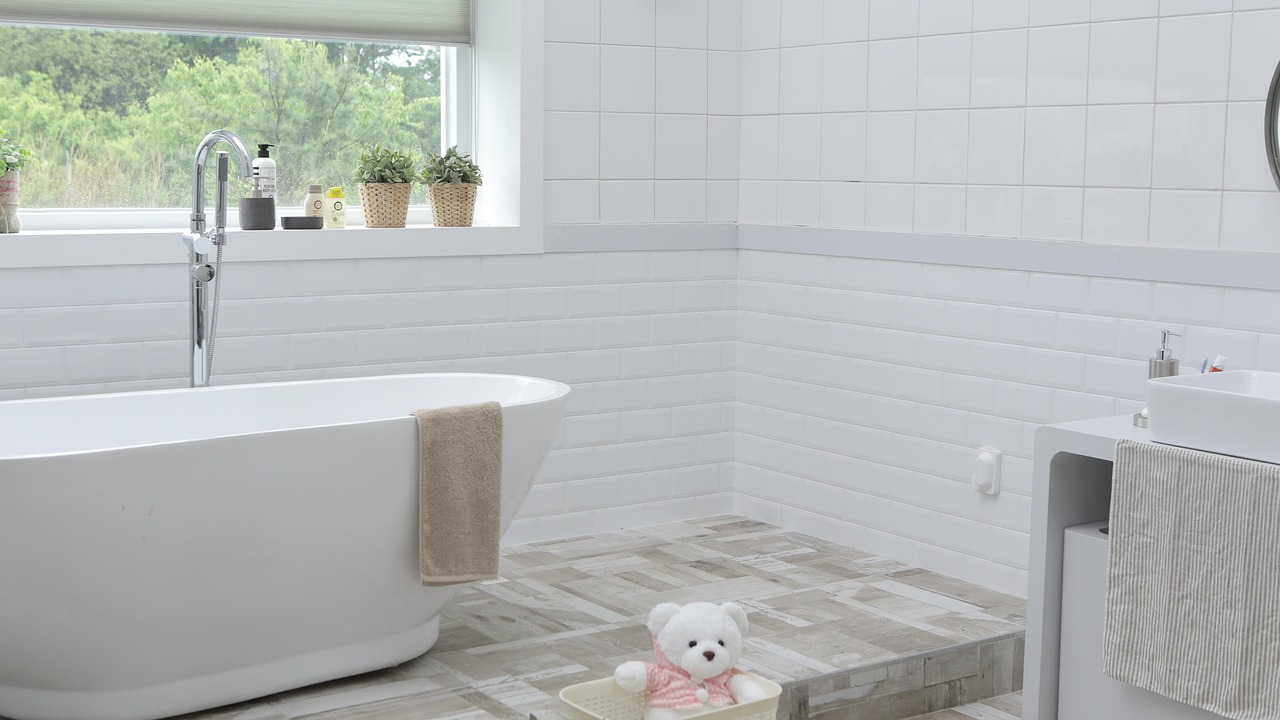
How can we reduce our carbon footprint when using the bathroom? There are some products we can buy which will lower our water use and reduce the amount of waste we create. A water hippo in the cistern A water hippo is placed in the toilet cistern and save 3 litres of water every time…
-
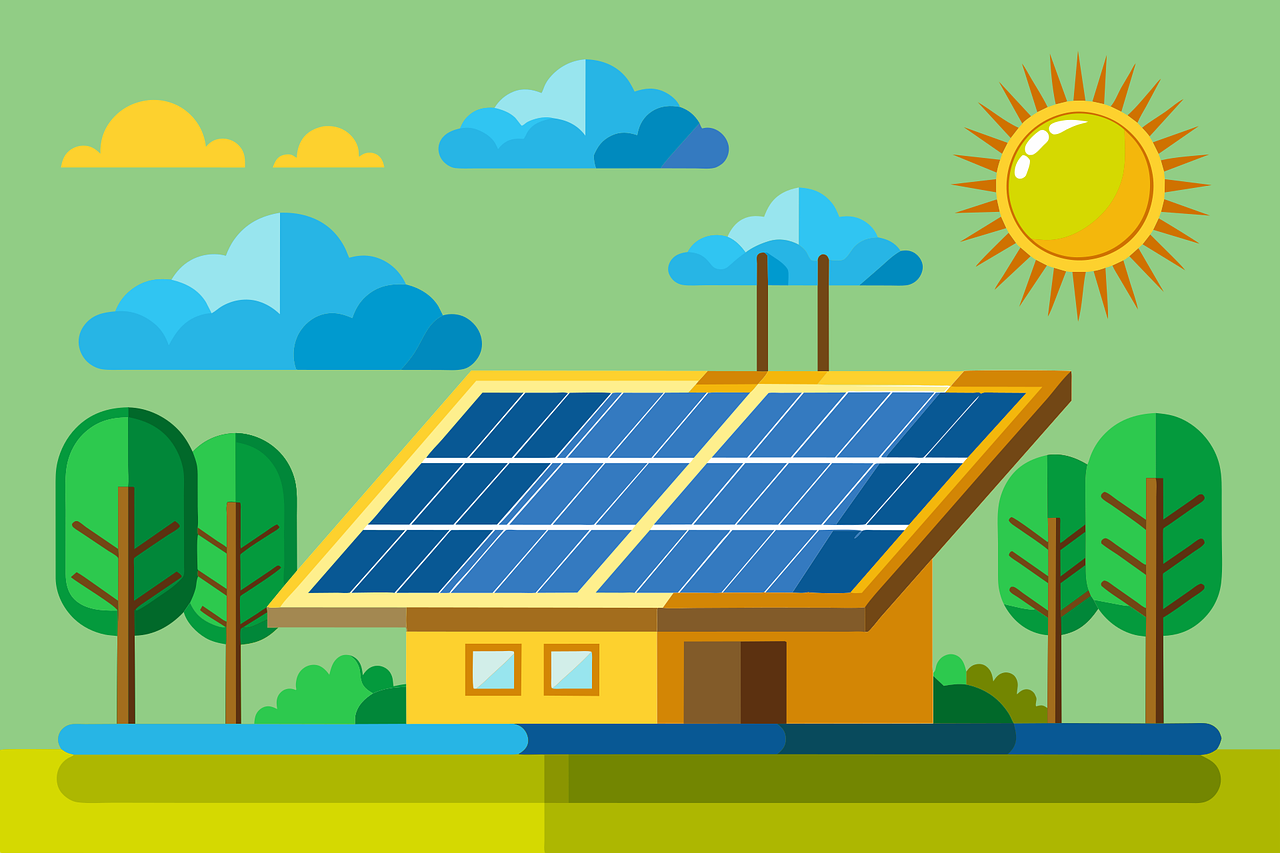
In a Net Zero world, a ‘clean tech’ house is the type of property we will be living in. These houses are like the ones we live in today but will have solar panels, proper insulation and a heat pump. Our household bills will also be 40-50% cheaper than today because of these innovations. To…
-
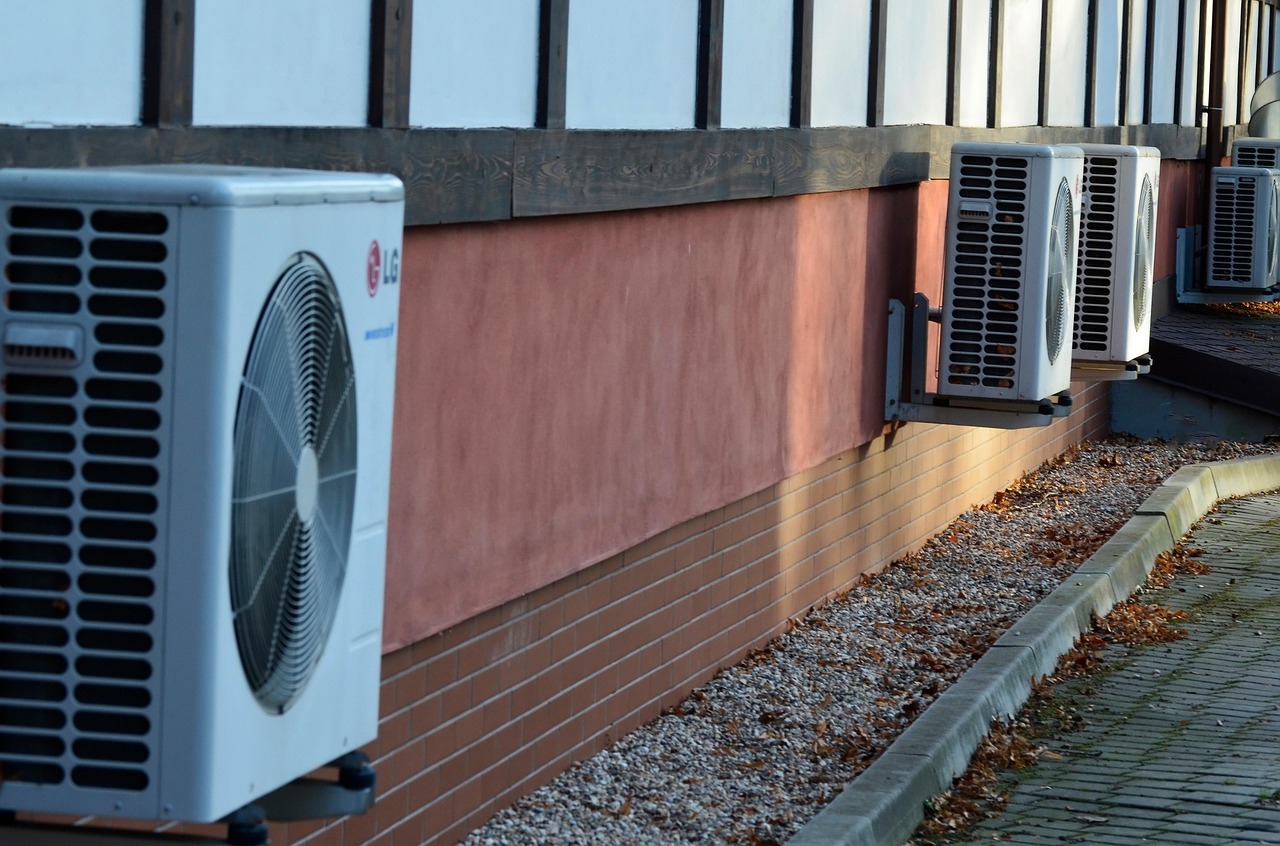
Heat pumps are used for heating a house. They replace gas which is usually used for heating and electrifies it instead. It is considered a green option for home improvements because our national grid is partly powered by renewable energy. It is worth noting that heat pumps are not suitable for around half of the…
-
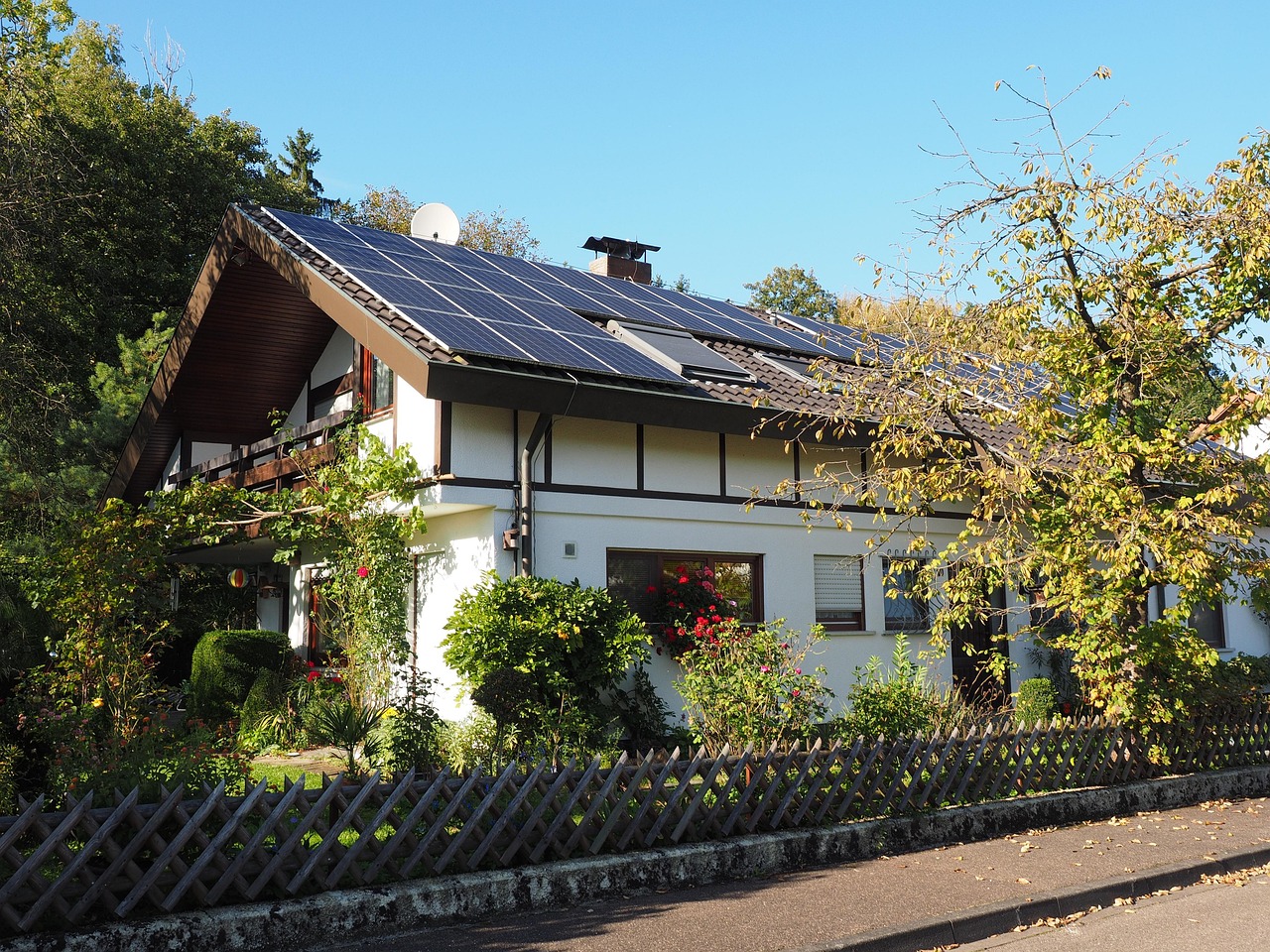
Solar panels are an essential part of a Net Zero lifestyle and about 1.5 million homes in Britain now have them. Solar panels convert sunlight into electricity and are a renewable source of energy. They have become more popular since they have come down in price and there are financial incentives to adopt them such…
-
What will our houses be like in a Net Zero world? The answer is that it will not look that different to how it looks today! The only differences will be down to using renewable energy for electricity, swapping a heat pump for natural gas and creating an efficient heating-cooling system. Putting these changes in…
-
Surveys suggest that people think recycling will make the biggest difference to their carbon footprint. There are countless blogs explaining how to reduce our waste to practically zero. However, the truth is no matter how much effort we put into recycling, it will neve reduce our carbon footprint as much as other actions and we…
-
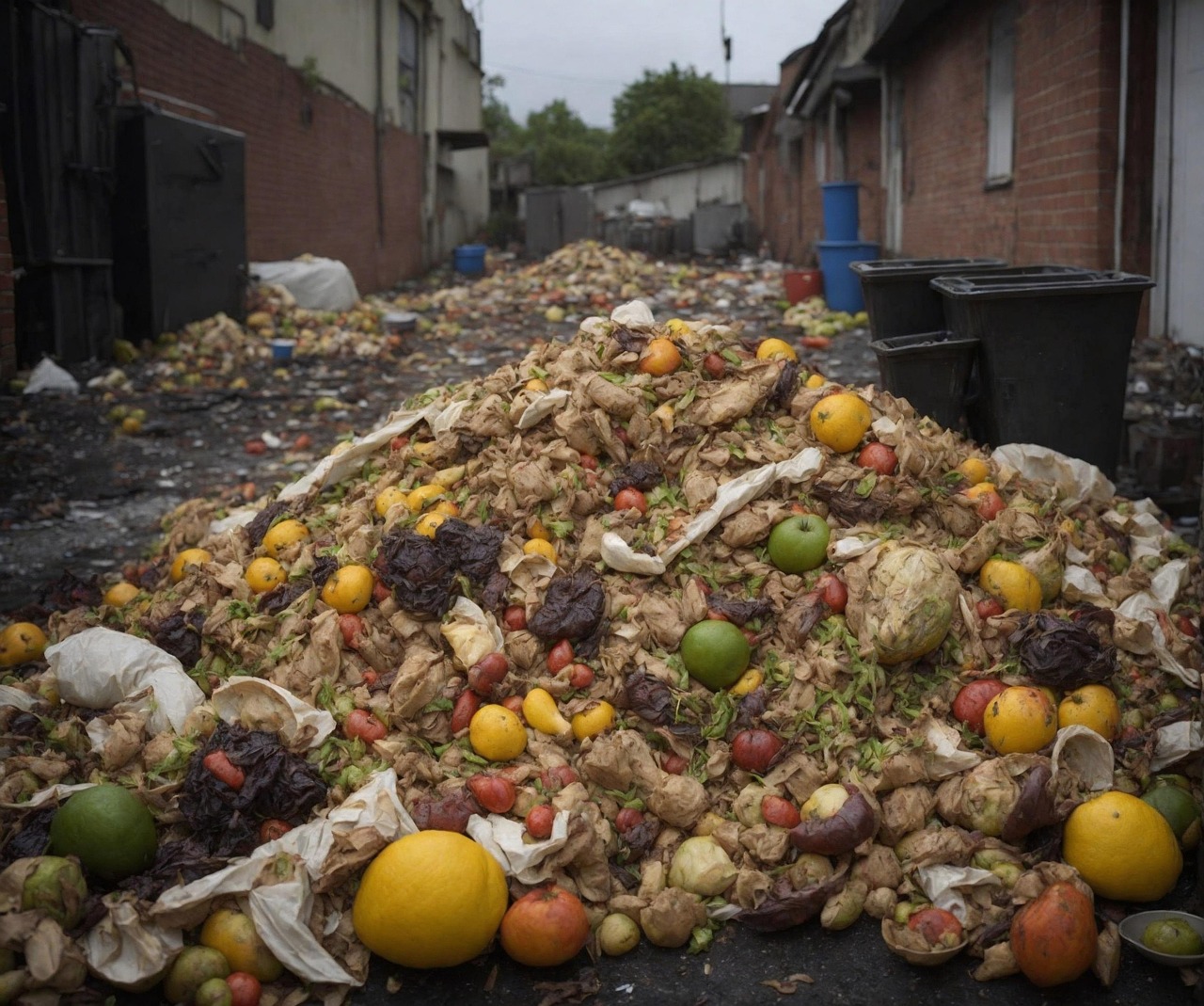
The food wasted globally is staggering. Despite that we make 5000 calories per person, when we only need 2500 calories, 733 million people go hungry everyday and nearly 3 billion people cannot afford a healthy diet. Globally, 25-30% of food is lost or wasted from farm to the household to landfill and it is estimated…
-
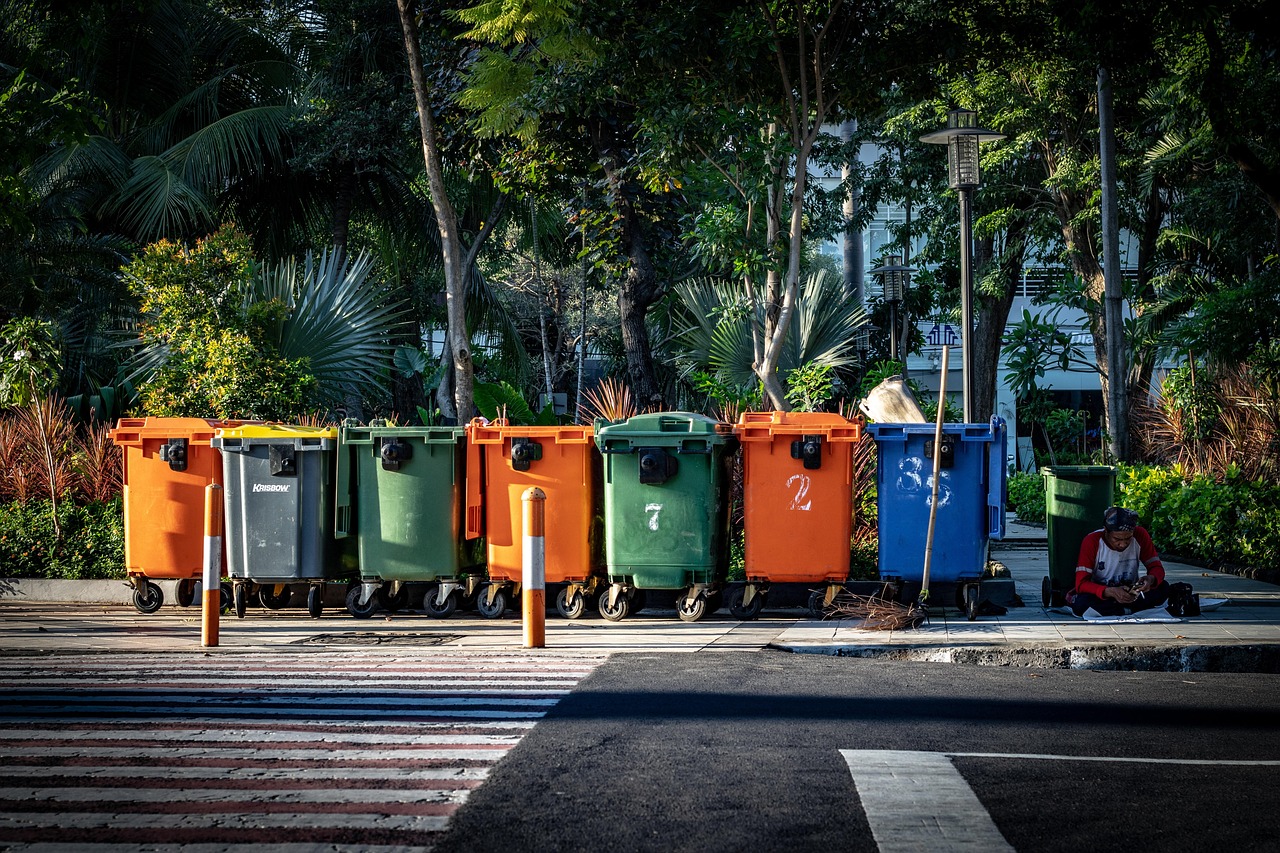
We use such as variety of products and packaging each day that it is confusing which bin to put it in. Surveys of the British public show up to 80% of UK households do not recycle things that could be recycled and 55% are ‘very unclear’ about what can and can’t be recycled. As a…
-
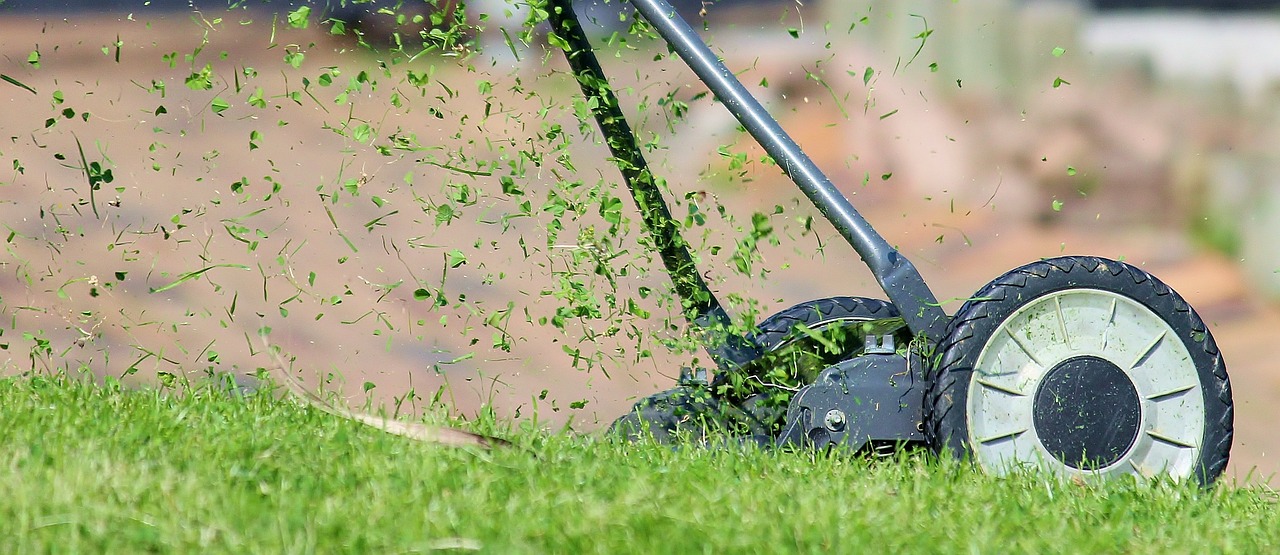
The way we cut our lawn in the garden can have a big impact on the biodiversity of our garden. Biodiversity refers to the diversity of animals and plants and the ecosystems they inhabit. There has a been a decline in the population of animals by 73% since 1970. It is important we contribute to…
-
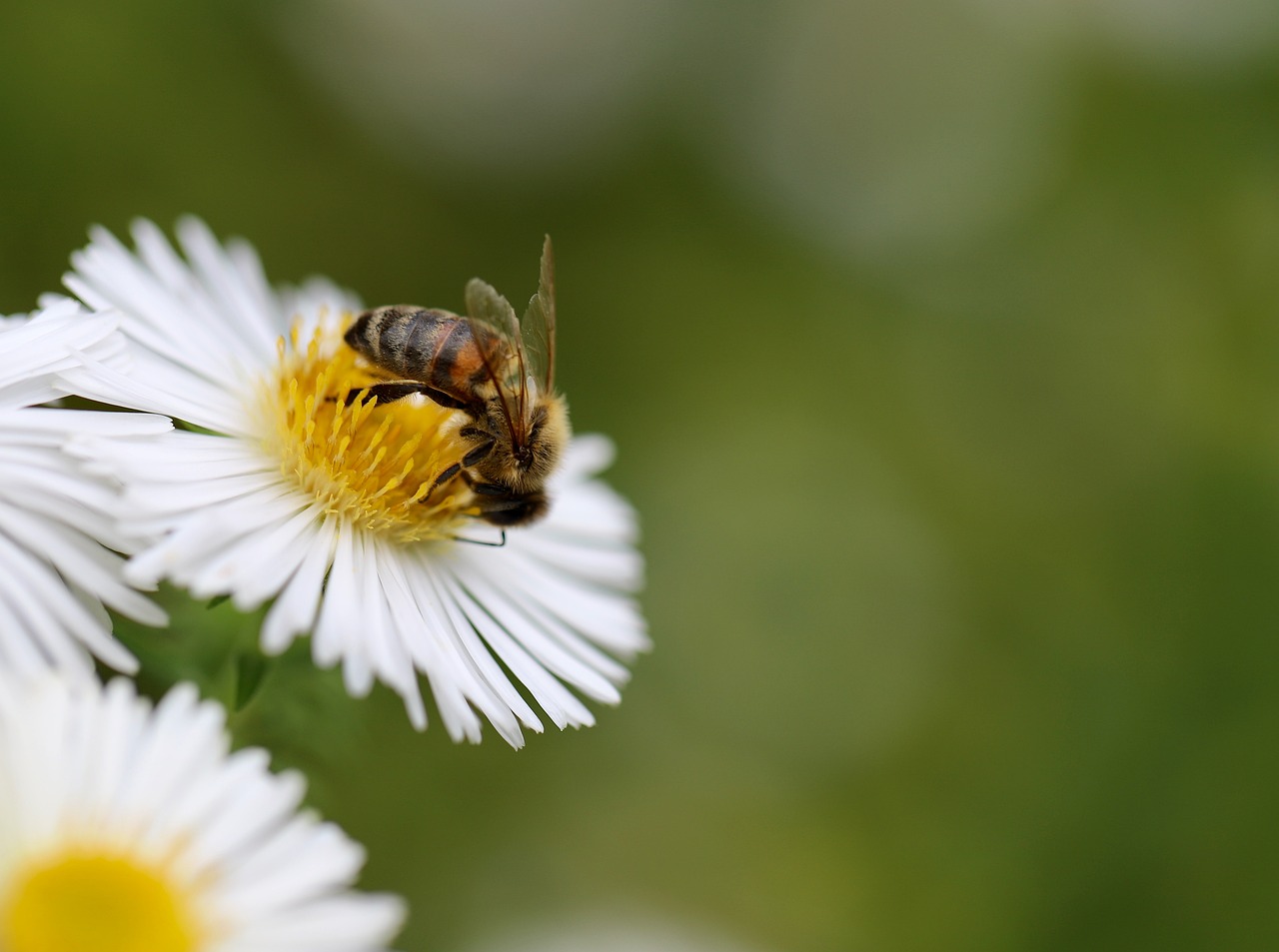
We face a biodiversity crisis across the globe. This means the number of species of animals and plants are declining rapidly because climate change is destroying their habitats. This has big consequences for us because this will impact the availability of food and medicine, especially if there is a big decline in pollinators. Pollinators are…