
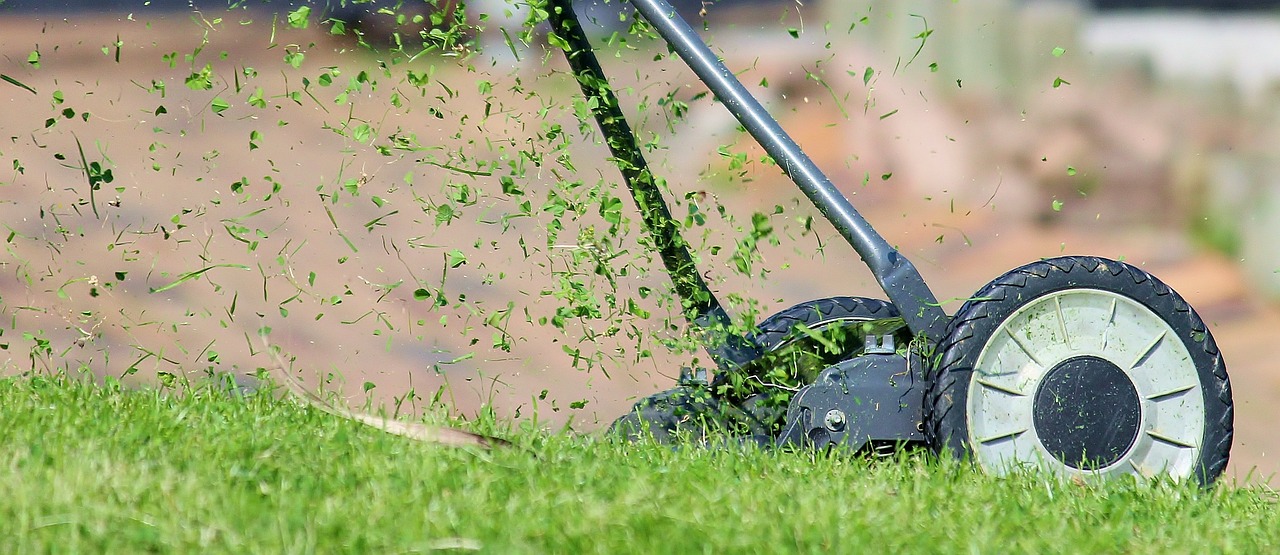
The way we cut our lawn in the garden can have a big impact on the biodiversity of our garden. Biodiversity refers to the diversity of animals and plants and the ecosystems they inhabit. There has a been a decline in the population of animals by 73% since 1970. It is important we contribute to the fight again the biodiversity crisis because we can really make a difference. Research suggests cutting the grass in the right way in the garden can boost biodiversity by up to 30%, making it a welcoming habitat for pollinators, insects and all types of plants. How we cut our grass will depend on the type of lawn and the time of year.
Cutting heights for different seasons
Most lawn mowers have a setting which allows you to cut the grass to a specific length. Cutting the grass typically takes place between March and October because the cold winter months means the grass does not need cutting. The ideal length for grass to be cut on during the different seasons recommended by the Royal Horticultural Society (RHS) are as follows:
An ordinary domestic lawn:
Spring: 40mm (1.5 inches)
Summer: 13-25mm (0.5 – 1 inches)
Autumn: 40mm (1.5 inches)
For a fine lawn: cut grass at 6-13mm (0.25-0.5 inches) all year round.
For a new lawn: wait till the grass is at least 5cm (2 inches) long and then cut the blades at the highest setting.
How regularly should you cut grass?
The RHS advises to cut the lawn regularly, so you only need to take a small amount of at a time and never take more than a third off. If you have a conventional lawn, you can cut the grass once a week or once a fortnight depending on growth during Spring and Autumn. During the summer, the grass can be cut once a week to begin with and should drop to a fortnight.
If you have a flower rich lawn or a wildlife meadow, do not cut the grass during May because this provides support for pollinators as flowers start to bloom. In the Summer, cut this type of lawn once every four to six weeks. Also, long grass lawns should only be cut twice over the Summer.
How you mow your grass has a big impact. Excessively close mowing weakens grass plants, and makes the lawn more vulnerable to drought, weeds and moss. Lawns regularly left for too long can suffer from loose weak growth. If you want to encourage a wildflower garden, you can choose to take part in the national campaign ‘No Mow May’ to encourage flowers in your lawn to grow and attract pollinators. You can stop in early May and restart mowing in June or leave it uncut until August.
Alternative options to conventional lawns
There are quite a few ways to grow a beautiful lawn covered in flowers which gives a big boost to wildlife instead of a conventional lawn. You can grow a creeping thyme lawn which will cover your lawn with small purple flowers and will attract pollinators. Once it has grown, there is little work to maintain the lawn and it is drought resistant. The only issue with thyme lawns that there needs to be space for drainage because it can get waterlogged.
Chamomile lawns are a low-maintenance and drought-tolerant, fragrant alternative to grass. Also you can add more variety to your lawn by growing different native species of grasses. This will be better for biodiversity and bring more structure and colour to the garden.
You can let a wildflower meadow grow in place of a lawn by letting the grass grown and planting a variety of flowers such as buttercups, red clover, musk mallow, cowslip and teasel. Let the grass and flowers grow for 6-8 weeks before cutting it. If the flowers are struggling to grow, you could try growing yellow rattle. Yellow rattle is a favourite for bees and insects, and weakens grass that may be suffocating wildflowers. If you are growing a wildflower meadow, do not fertilise the lawn, because it can harm wildflowers, even if fertiliser is good for the grass.
What to avoid doing to your lawn
An important thing to avoid doing is using chemical on the lawn. Weed killer is terrible for biodiversity because it harms insects including pollinators as well as killing plants. Putting pesticides in the garden should be avoided as well. Research on neonicotinoid pesticides show they are responsible for mass honeybee deaths and hurt wild bees. These pesticides can be found in supposedly ‘pollinator friendly’ plants in garden centres. Instead, what you can do is buy organic gardening products from farmers markets
Leave a Reply