
Category: Household
-

Heat pumps are not a popular idea amongst the public in the UK. A survey suggested recently at about half the population would not consider buying one. There many reasons people think this: heat pumps are considered too expensive, noisy and difficult to implement. However, if there is slow adoption of heat pumps by households,…
-
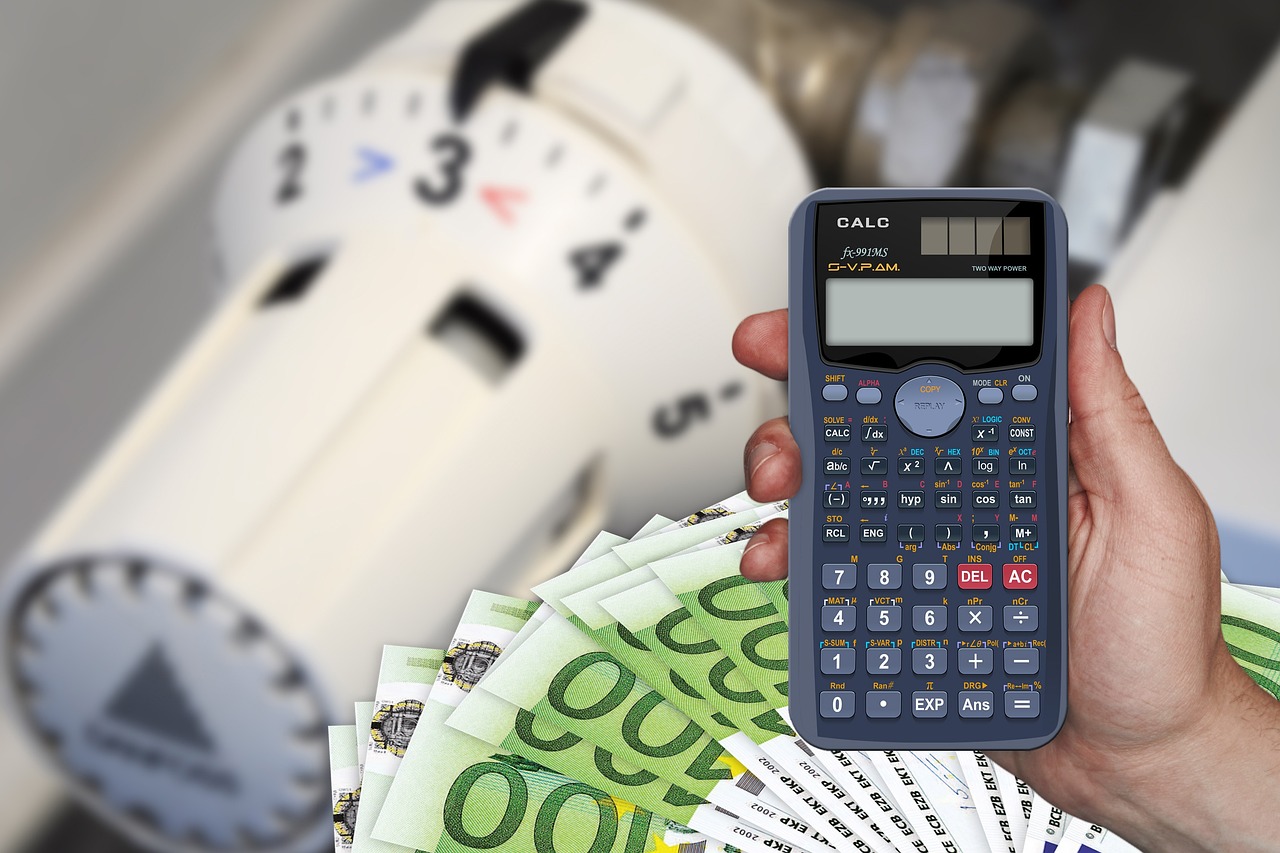
We are in the middle of winter, so how do we stay warm and not waste energy heating our homes? What is important in any energy efficient home is having heating controls. Heating controls sets the temperature of your house and tells your heating system when to come on and off, so you do not…
-

The average British person produces 11 tonnes of carbon emissions a year. In our article ‘What actions make a big difference?’ about lifestyle changes that make a big difference to your carbon footprint. There are actions which are more well known to reduce our carbon footprint, but they do not make as much of an…
-

The average British person produces 11 tonnes of carbon emissions a year. Ideally, we would halve our carbon footprint by 2030 if we to reach Net Zero by 2030. But this seems like a very big task. Do we need to make very big changes in our lifestyles? Dr Hannah Ritchie suggests that we focus…
-
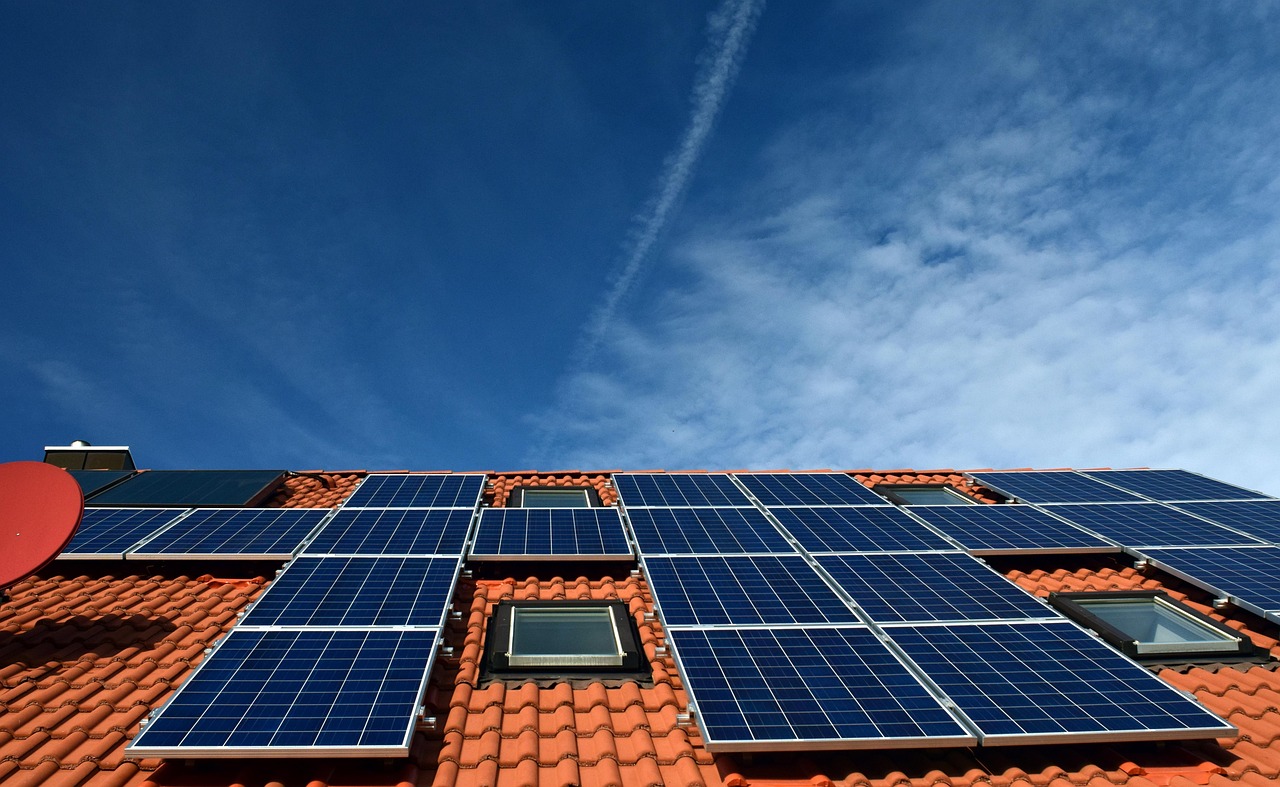
If you are interested in making big, long-term investments in your home to make it more energy efficient and lower your carbon footprint, it is best to investigate current technologies to see what is right for your home. You can make these investment work for you personally because there are reasons to invest in your…
-

We are experiencing wetter winters and scorching summers as global warming continues. This is causing floods in the cold seasons and droughts in the hotter seasons across countries, and it will become commonplace in the future. As water shortages are inevitable and water bills will rocket up, it is wise to invest in a rain…
-

How can your garden contribute to the fight against climate change? You can grow plants to lock away carbon for generations and boost biodiversity. Every action helps towards cutting carbon in our atmosphere and improving habitats for threatened species. Here are a few tips by Sally Nex from her book ‘How to garden the low…
-
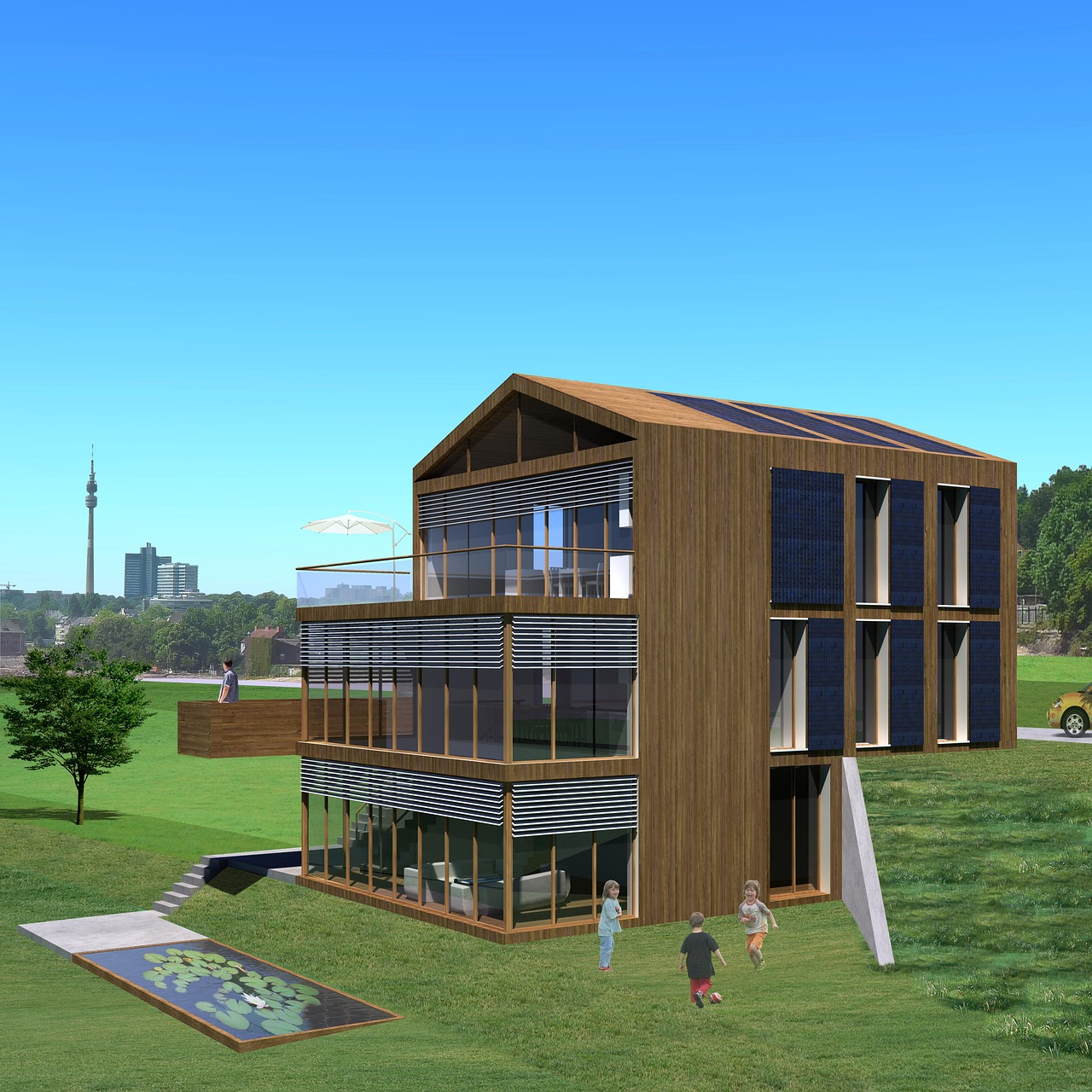
How low can the energy of a building become? The concept of the Passivhaus has put this to the test. A Passivehaus (Passive house in English) are buildings that can maintain constant temperature with minimal heating and cooling. These building are considered the gold standard in energy efficiency because of the way they are designed…
-
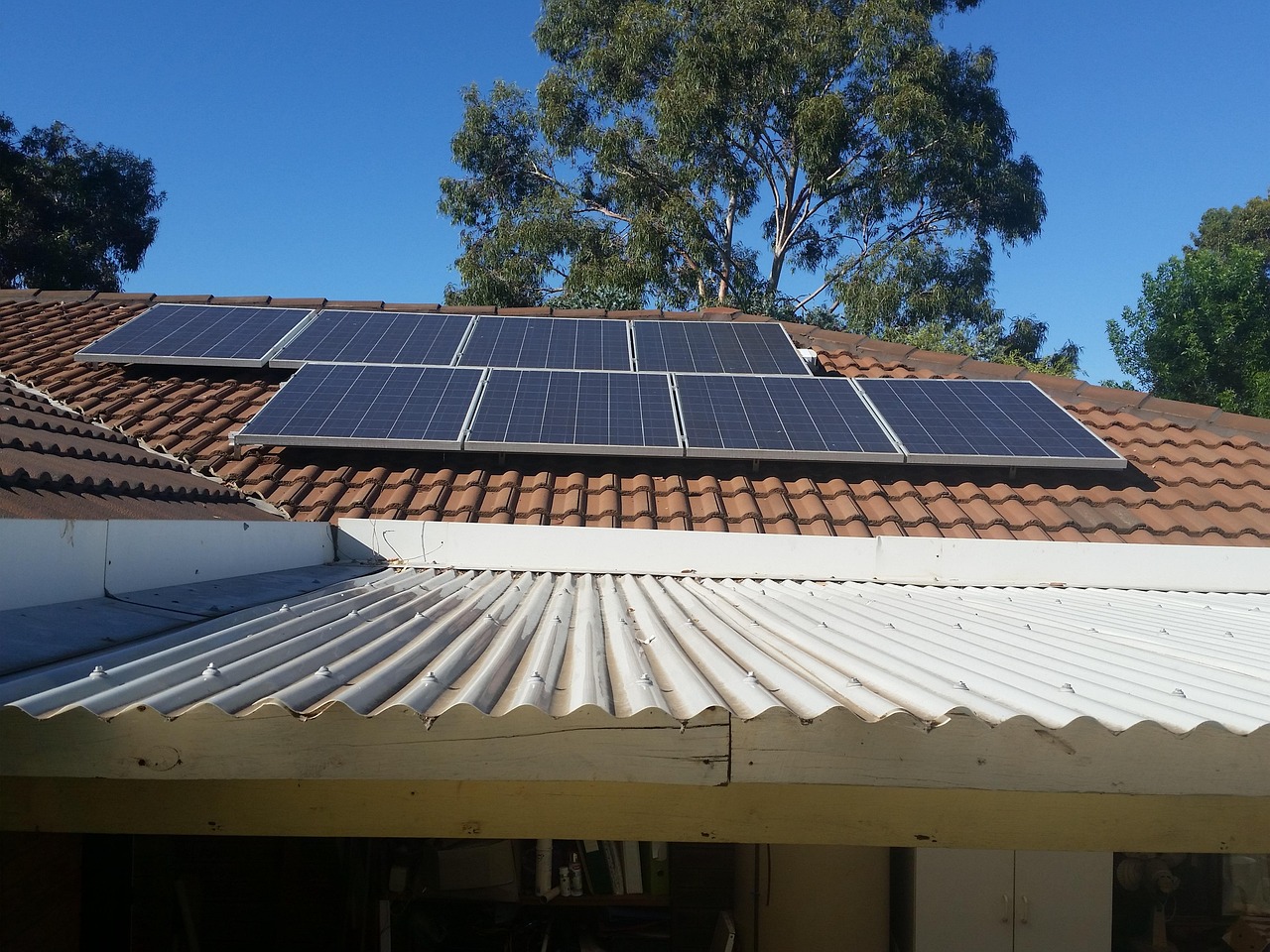
Solar panels are an important part of the strategy of getting to Net Zero by 2050, but are they right for you? Solar panels are getting increasingly popular in Britain with 1.5 million homes having already installed them. The best way to view solar panels is that it is a way of improving your finances.…
-
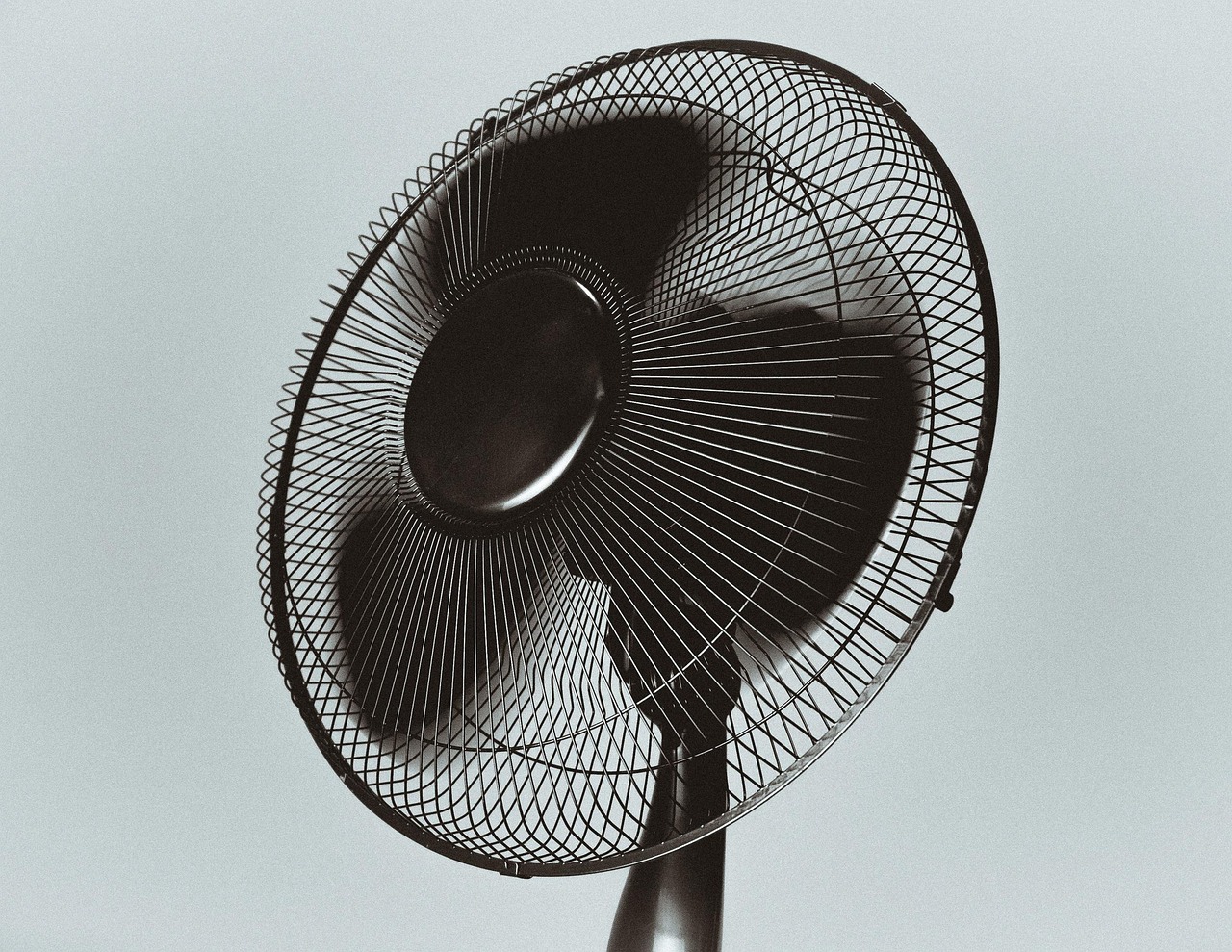
Heatwaves are going to be much more common in the future. Europe has struggled with heatwaves this summer with temperatures staying between 35-40 degrees Celsius. Around the world in Asia and Americas, there are places reaching 50 degrees Celsius. It is inevitable we prepare to live and work in prolong periods of intense heat. An…