
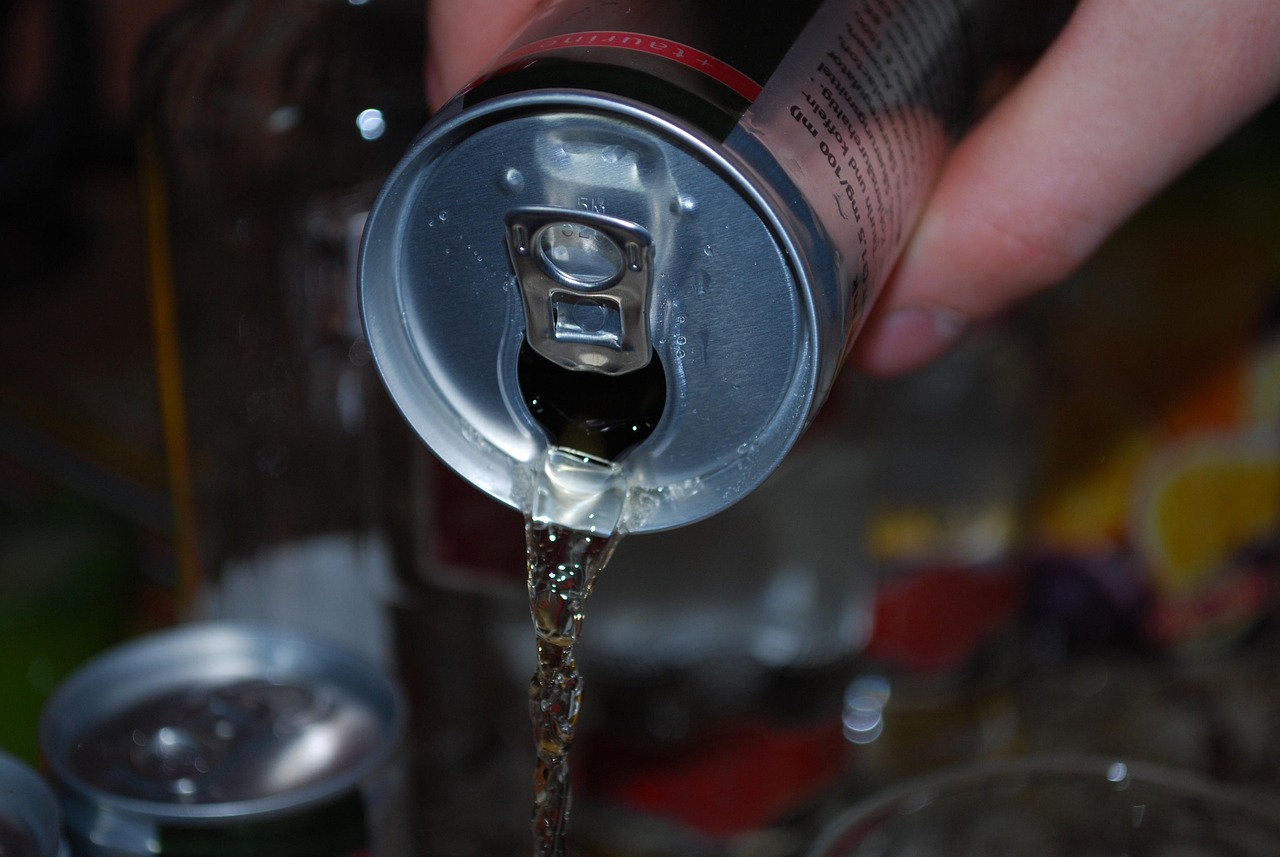
What climate change scientists recommend is that we aim to halve the carbon footprint of our diet by 2030. When it comes to the food we eat; avoiding beef and reducing meat and dairy by 25% would be enough to reach this goal. But can we choose drinks in a way that cuts our carbon footprint? The research provides clear information on what matters and does not matter when choosing a drink. We compare the options between tea and coffee, soft drinks and fruit juices and alcoholic drinks.
Tea or coffee: which has less emissions?
Tea and coffee are amongst the most popular drinks consumed across the world. Around 2 billion cups of coffee and 5 billion cups of tea are drunk everyday worldwide. If you are indifferent between drinking either of the drinks, then choose tea over coffee because tea has lower carbon emissions. Although tea leaves are produced in Asia; the carbon emissions are low because tea leaves are transported around the world by boat rather than plane. Professor Bridle’s ‘Food and Climate Change without the hot air’ shows the difference between using a teabag and instant coffee powder in our hot drink:
1g teabag = 3g emissions
1g instant coffee powder = 17g emissions
Coffee has a bigger footprint than teabags because of the way coffee beans are produced and processed. Coffee beans are produced by tending, watering and fertilising coffee plants. Emissions from fertilisers increase the carbon emissions of coffee significantly. The processing of coffee beans to instant coffee powder, which is also packaged, increases the emissions even more. Choosing a cup of black tea over a cup of black coffee will roughly halve your emissions from drinking hot drinks.
Other ways to reduce carbon emissions from a hot drink
If your hot drink is a takeaway drink from a café, using a reusable cup will reduce your carbon emissions. Another way to reduce the carbon emissions in your tea is to not boil too much water in the kettle. The average person boils twice as much water as they need when making a hot drink. Since tea and coffee have low emissions generally, they will be one of the lowest carbon emitting things you will be consuming in your daily life.
Beer and wine: which has less carbon emissions?
Beer and wine are the most popular alcoholic drinks. In the UK, 68 litres of beer and 12 bottles of wine were drunk per person in 2022 in the UK. So how do carbon emissions compare between beer and wine? Research by Professor Bridle from the University of York shows beer and wine as a drink have the same carbon emissions when taken from a tap:
1g beer on tap = 1g emissions
1g wine on tap = 1g emissions
What changes the carbon emissions between the two is the quantity consumed, the material it is stored in and the size of the container they are held in.
Alcohol and quantity
A can of beer contains 440ml while a glass of wine contains 175ml. Since a can of beer has a higher volume, one can of beer causes half a kilo of emissions. It is the equivalent of the driving a fossil fuel car for 1 mile or drinking 4 cups of white coffee. A glass of wine is lower simply because there is a lower volume in the glass and so has half the emissions of a can of beer.
Alcohol and packaging
It is best to drink both drinks from a tap rather than a bottle, because packaging creates emissions. The material, whether it is an aluminium can or a glass bottle, only makes up a quarter of the total emissions but it does not significantly matter whether it is one or the other. A way to reduce carbon emissions from packaging is buy the drink from larger containers, so the same beer or wine poured into a glass with less emissions, than those from smaller containers.
Which soft drinks have the lowest carbon footprint?
If you are choosing a drink when you are going out, how could you choose a drink with lower carbon emissions? It is not obvious what type of drink is likely to have a lower carbon footprint. What seems like a ‘green’ option may not be. Research by Professor Bridle shows it all depends on ingredients, packaging, fossil fuels involved in manufacturing process and waste disposal. The results are surprising.
Fizzy drinks versus fruit juice
Carbon dioxide makes fizzy drinks bubbly. You may think that this gives it a high carbon footprint but surprisingly it doesn’t. This is because the main ingredients in fizzy drinks are water and sugar, which both have a low carbon footprint. The amount of carbon dioxide is very small, and generally fizzy drinks have very little impact on climate change. Fruit juice, despite being a healthier option, has a higher carbon footprint than fizzy drinks. This is because the main ingredient is fruit. Fruit has a higher carbon footprint compared to water and sugar because of the carbon emissions of growing the fruit, processing, transport and refrigeration. Professor Bridle’s research shows a typical fizzy drink has 188g of CO2 emissions, while a similar amount of an orange juice has 392g CO2 emissions.
Bottled water is probably the healthiest drink you can have and has the lowest carbon footprint. Their carbon footprint is like fizzy drinks, with a 500ml bottle of water being 81g of CO2 emissions. The best option with practically zero emissions is to take your own reusable water bottle and refill throughout the day.
The packaging makes a difference
The packaging of the drink makes a big difference to the amount of carbon emissions of the drink. Glass bottles have a higher carbon footprint than a plastic bottle because although per gram they produce less carbon dioxide, glass bottles need to be thicker and heavier because of their fragility. Aluminium and plastic bottles have a similar carbon footprint. Although aluminium creates higher levels of emissions, it is lighter than plastic, so aluminium and plastic containers work out the same. Lower emission packaging bottles made from recycled plastic.
Milky drinks
Drinks that are mostly made up of cow’s milk are the worst when it comes to carbon emissions and are the ones that should be consistently avoided. If you love milkshakes and lattes, you don’t need to give them up. Instead, substitute cow’s milk for your favourite plant-based alternative and this will cut the carbon emissions of the drink by up to 90%.
Leave a Reply