
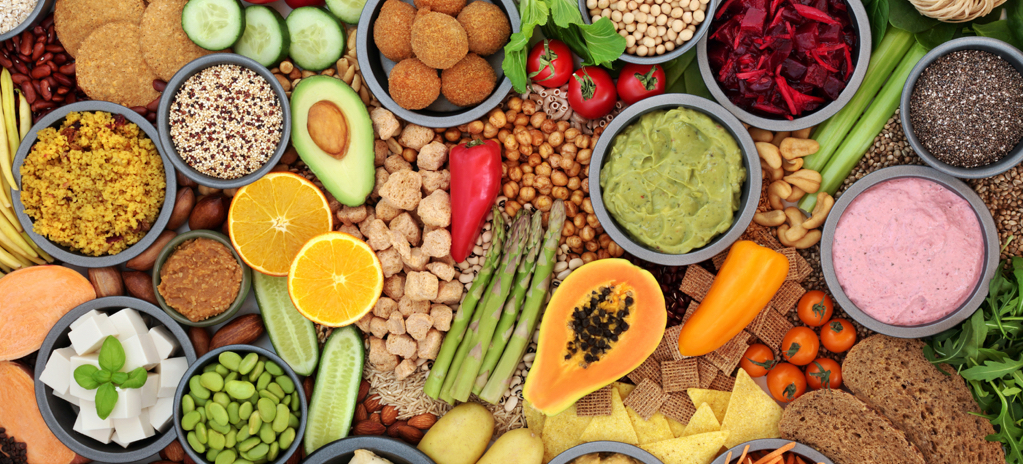
Our guest author, Leticia Drier, nutritionist discusses the benefits of a plant-based diet and how we can use it to improve our health.
You might have heard about the idea of eating 30+ plant foods a week to improve your health. It comes from research by The British and American Gut Project (2018) which revealed that people who had a diet with more plant diversity – specifically 30 different plant foods a week – had better gut health and gut microbe diversity than those who consumed fewer than ten – and better overall health outcomes.
A diverse, well-balanced gut bacterial community helps reduce inflammation and is associated with a lower risk of chronic diseases such as type 2 diabetes, obesity, cardiovascular disease, and even depression and anxiety. In contrast, an imbalanced microbiome (dysbiosis) has been linked to conditions like IBS, colorectal cancer, metabolic disease, and poor mental health.
Why Plant Diversity Matters
Plant foods are rich in fibre, the indigestible part of carbohydrates that passes through the small intestine and reaches the colon intact. Here, fibre becomes food for beneficial gut bacteria.
When gut bacteria ferment fibre, they produce short-chain fatty acids (SCFAs). These compounds help nourish the cells lining the gut, strengthen the gut barrier, and reduce inflammation, all of which support digestion, nutrient absorption, blood sugar balance and a healthy immune system.
Different plants contain different types of fibre, feeding different microbial species. Therefore, eating a wide variety plant foods encourages microbial diversity, In addition, fibre also helps regulate bowel movements, slow blood sugar spikes and lower cholesterol.
Eat the Rainbow for Phytonutrients
Plant foods are also rich in phytonutrients, including polyphenols, which give fruits and vegetables their vibrant colours. These compounds act as antioxidants and have anti-inflammatory health benefits, working by switching off inflammatory genes and switching on anti-inflammatory, anti-ageing genes.
To maximise phytonutrient intake, aim for seven different colours of fruits and vegetables per day: red, blue, yellow, white, green, orange, and purple. Each colour corresponds to different phytonutrients. Eating multiple colours provides your gut bacteria with a wider variety of polyphenols, supporting a diverse, healthy microbiome and producing metabolites that benefit your whole body.
What counts as Plant Foods?
Plant foods aren’t just veggies. They include:
- Fruits: berries, apples, kiwi, citrus fruits
- Vegetables: leafy greens, cruciferous vegetables, root vegetables
- Wholegrains: oats, quinoa, barley, brown rice, wholegrain wheat
- Legumes: beans, lentils, chickpeas, peas, tofu
- Nuts and seeds: almonds, walnuts, chia seeds, flaxseeds
- Herbs and spices: garlic, ginger, cinnamon, coriander, parsley
- Coffee and dark chocolate (70% cocoa or more) — technically derived from seeds
- Extra virgin olive oil — packed with polyphenols
Tip: Dried, frozen, or tinned fruits and vegetables, as well as different coloured versions of the same food (e.g., sweet potatoes, onions, tomatoes, cauliflower), all count.
Refined and ultra-processed foods do not count, as they are stripped of fibre and polyphenols.
Eating a wide variety across these groups helps maximise both fibre diversity and phytonutrient variety, supporting your gut, immune system, and overall health.
How to Hit the 30+ Plant Target
Reaching 30 different plant foods a week is often easier than people think. You don’t need to overhaul your diet — small swaps and simple additions can quickly boost plant variety:
- Boost your lasagne or bolognese: Replace half the meat with beans or lentils
- Choose alternative pastas: Lentil or pea pasta instead of regular pasta.
- Swap grains: Use quinoa or brown rice instead of white rice
- Make snacks count: Try vegetable sticks with hummus, edamame beans, a handful of whole nuts, avocado or nut butter on oatcakes, or a little dark chocolate
- Sprinkle seeds and nuts onto salads, pancakes, porridge and yoghurt, into smoothies, soups and yoghurt
- Eat the skin where possible: Keep the skins on root vegetables like carrots, parsnips, butternut squash, and potatoes or sweet potatoes. The same applies to stone fruits such as peaches and plums, and even kiwi — yes, the fuzzy skin is edible. Skins are rich in fibre and polyphenols.
- Hide your vegetables: blend spinach into smoothies, or grate carrots and courgettes into sauces
- Add side dishes: don’t just pick one, mix your veggies.
Key Takeaway
Gut microbiome diversity plays a key role in overall health. It’s not just about hitting ~30g fibre per day — the variety of plant fibres matters just as much. Regularly eating a wide variety of plant foods helps build a balanced gut microbiome, reduce inflammation, lower the risk of chronic diseases and promote healthy ageing.
Leticia Drier is a qualified, registered Nutritional Therapist with an interest in gut health, hormonal imbalances and sustainable weight loss.
She can be found through her website: www.leticiadreier.co.uk
Leave a Reply