
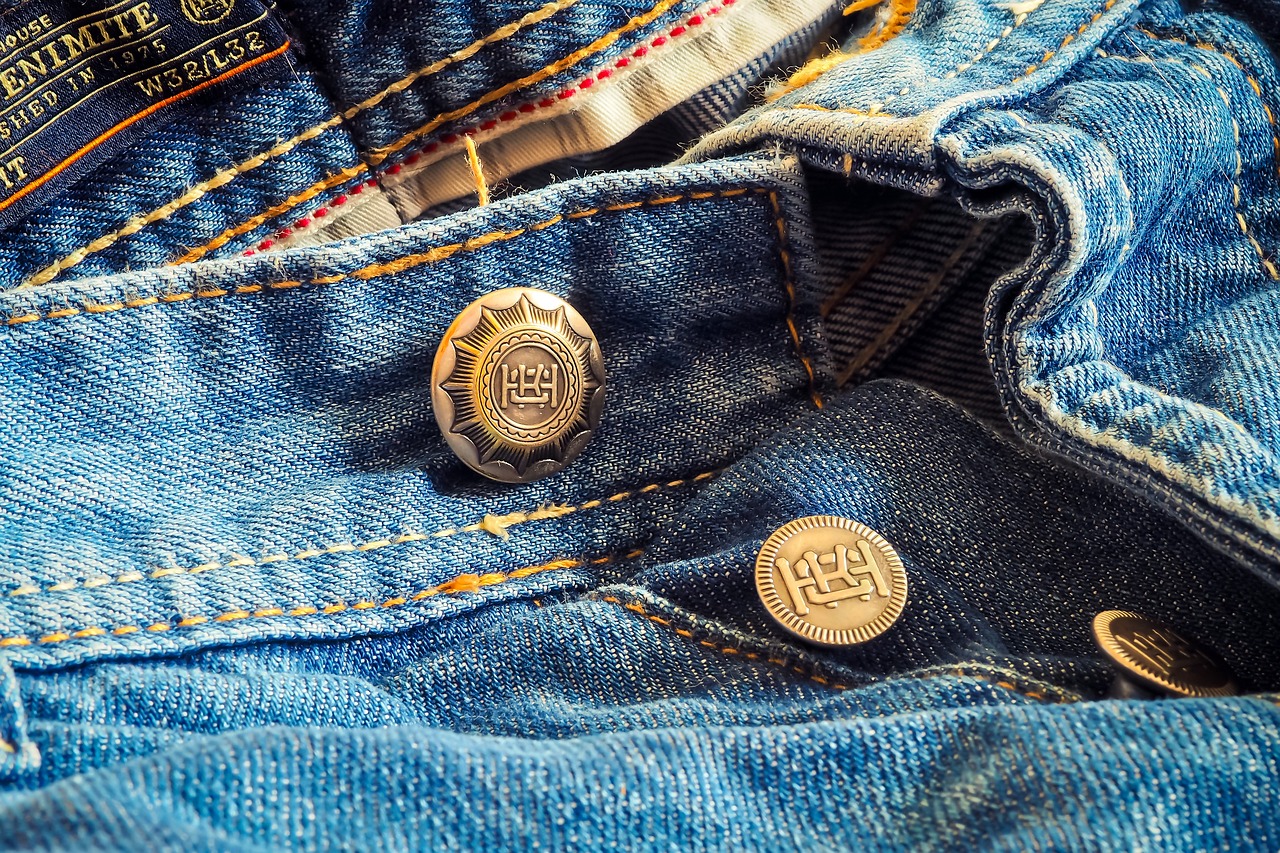
We can shop for clothes in ways that cut our carbon footprint. It is common advice to avoid fast fashion, buy second hand and repair our clothes so that they last longer. All of this is good advice, but sometimes we just need to buy new clothes at affordable prices! This is especially true for certain types of clothing, such as shoes and trousers, which wear and tear faster than other items. We can make more environmentally friendly choices choosing shoes and trousers with the right information and it will surprise you which are the greener options.
The carbon footprint of shoes
Which type of shoes have a lower carbon footprint? Shoes vary immensely depending on what material they are made from, their weight, and how long they last.
Shoes and material
Research shows that the heavier the shoe and the wider variety of materials they are made from, the higher the carbon footprint. Rubber crocs come in as the lowest carbon emissions because they are light, durable and made of only one material (foam rubber). They are also sold without packaging which lowers the carbon footprint. The carbon emissions (CO2e) increase as the range of materials in the shoe increases and as it becomes heavier.
1.5kg CO2e rubber crocs
8kg CO2e synthetic
11.5kg CO2e average mix
15kg CO2e all leather
Shoes that have the highest carbon footprint are made of leather. Leather comes from cows, which have a high carbon footprint, they are heavier than other materials and require a lot of energy to mould into a shoe.
Buy shoes that last
The most important factor when choosing shoes is buying ones that will last. Regardless of their material, if you use them for a long time and repair them so they last longer, they are worth the investment. The most obvious way to reduce your carbon footprint of having shoes is not to have so many! Fast fashion encourages us to buy lots of pairs of shoes we don’t need with their nice designs and affordable prices. But they are not designed to last, so avoid the temptation.
Surprisingly, where shoes are made does not matter as much. Most of our shoes come from Far East Asia and are mainly transported by boat. Boats are a low carbon form of transport, so it does not matter that the shoes come from far away. Shoes from fast fashion brands are also more likely to be transported by plane which increases the carbon footprint by a lot, so it is better to avoid buying fast fashion shoes and look for alternative durable brands.
The carbon footprint of trousers
Which pair of trousers has the lowest carbon footprint? This depends on the material, weight and energy required to look after them. One would expect trousers made from ‘natural’ material such as cotton would have a lower footprint. Is this true?
Synthetic fibres versus natural fibres
Surprisingly, trousers made from synthetic trousers have a lower carbon footprint than trousers made from natural material. Synthetic fibres are polyester and acrylic and natural trousers are made from cotton. Trousers made from synthetic fibres last much longer than cotton trousers and can endure more wear and tear. Also, because they are half as heavy as cotton trousers, the production phase and the use phase of synthetic causes lower carbon emissions. Synthetic trousers are easier to wash because they drip-dry and there is little need to tumble dry them. Research estimates that, for all these reasons, synthetic trousers are six to seven times less carbon intensive than cotton trousers.
Research by Professor Bernes-Lee shows the difference in carbon emissions of trousers in material before they have been worn. This includes the cutting dyeing, sewing, fabric waste, transporting, buckles and zips:
8 kg CO2e Polyester trousers (300g)
11 kg CO2e Acrylic trousers (300g)
19 kg CO2e Cotton trousers (600g)
Cotton trousers come out far higher than in terms of carbon emissions and produce more than twice the amount compared to polyester trousers. Another factor to consider is whether the trousers are made to last or not. Trousers that are made to last are better as they will be used for a long time, so it is better to buy from brands that focus on durability.
Other ways to reduce your trousers’ impact
There are other ways to reduce the carbon footprint of your trousers which are easy to wash and dry and are durable. Consider buying second-hand, from vintage shops, charity or online shops that specialise in second-hand clothes, such as Vinted. Repairing trousers is another way to extend a pair’s life and reduce its carbon footprint. If you do not know how to repair clothes, you should investigate whether there is a Repair café near you. Repair cafes are run by volunteers who repair items for free. They are springing up everywhere across the globe and it is quite likely there is one near you. You can avoid throwing away your trousers by donating them to charity or sending them to a recycling centre for clothes. This stops them from ending up on landfill and polluting the environment.
Source: ‘How bad are bananas?’ (2020) by Professor Mike Bernes-Lee
Leave a Reply