
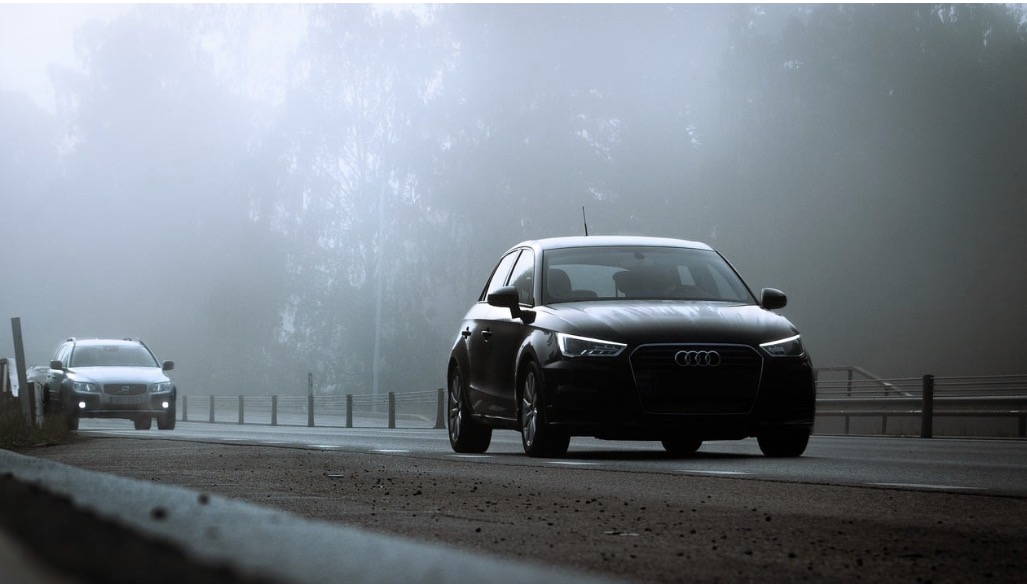
How we travel makes up 27% of our total carbon footprint. Petrol/diesel cars and flights make up the majority of our carbon footprint in travelling. The consequence of this means driving cars less and switching to electric vehicles is a necessity to reach Net Zero. But how much we choose to drive is highly contentious and it is understandable that there is resistance from many to changing driving habits. Changing how much we drive may not even be possible for many drivers or that some cannot go about their daily lives in a convenient way. It also depends what public transport options we have in our countries. North Americans are highly dependent on cars, with 92% of all journeys made by cars. Europe and Asia are much less dependent on cars with a higher use of public transport.
In order to get to Net Zero by 2050, all cars on the road need to be electric. But buying an electric car may not be possible for many of us yet as a way of cutting our carbon footprint. How is it possible to reduce carbon emissions from car use when we use it for work and leisure? Working towards reducing carbon emissions from any car journey, no matter how short will make a difference to your carbon footprint. You can also use strategies of using the car less to save a significant amount of money. Here are some solutions you can adopt to substitute some of your trips away from using a car.
Share a journey
Sharing a journey with someone who is going to the same destination takes one car off the road. Such situations could be going to social occasions with friends and family, school pick-ups and drop offs or giving work colleagues a lift. If more people did this, many car journeys would be saved across the country, reduce traffic, carbon emissions and improve air quality.
Rent a car
Choosing to be car-free and renting a car when you need it will save you a huge amount of money and will have a big impact on your carbon footprint. Not having a car reduces your carbon footprint by 2.4 tons whilst having an electric car reduces your carbon footprint by 0.8 tons. This shows having an electric car is not the only strategy to cut our carbon footprint in transport. Using the car less or not having it at all is a much better option.
Use public transport
Public transport is a form of shared transport. It includes trains such as railways and urban metros, buses and coaches, trams, ferries and water taxis. If you are lucky enough to live in a place that has great transport links, make the most of it. Public transport uses a fraction of the carbon emissions compared to cars. Only substituting some car journeys for public transport makes a big difference, especially if you are substituting for domestic flights.
Walking and cycling
Being more selective in your car use and using it only when necessary is a win-win situation all round. Walking and cycling are good for your health, your budget and the environment. There are lots of different bikes you can buy and one that is booming in popularity is the electric bike. Electric bikes make it easier to cycle, especially going up the hill. It is useful to get somewhere fast and you can buy one that carry shopping and extra people.
Drive efficiently on the road
Driving efficiently cuts the carbon emissions of car journeys and if you are very dependent on cars, this is probably your best option of reducing your carbon footprint when travelling. Reducing your speed and being more constant rather than accelerating then stopping regularly lowers the amount of fuel you are using. Putting less weight on the top of car roofs also causes less drag and less fuel is consumed. Another thing to check is whether your tyres are under-inflated. Under-inflated tyres increase the amount of fuel your car consumes, so make sure your tyres are not flat before you drive.
Use online shopping delivery
Research shows that delivering shopping to your door produces less carbon emissions than going shopping yourself. This is because a shopping delivery van (even if it is diesel) prevents lots of individual shopping trips by car. The two exceptions to this: if you live very far from shops which would mean the shopping delivery van would have to do much longer journeys to get to you or if you go to and from the shops by public transport.
Leave a Reply