
Clothes shopping is becoming a larger part of our carbon footprint. This is down to the rise of fast fashion and the problems with managing waste from the clothes industry. Since 1970, the amount of fabric and water used in the clothes industry has sky-rocketed and continues to rise at an unsustainable rate. Fast fashion causes 8% of greenhouse gas emissions annually and is the second biggest consumer of water. It uses huge amounts of energy and water to produce and transport clothes, as well as being one of the main causes of microplastics being in every part of the world. 10 to 40 million tonnes of microplastics are released into the environment every year. A lot of this comes from the fashion industry and the amount could double by 2040. The biggest players in fast fashion are Zara, Shein, Primark, UNIQLO, Forever 21 and H&M, but there are many more. How we buy and manage our clothes needs to change quickly to avoid impacting the environment and biodiversity.
Best ways to shop for clothes
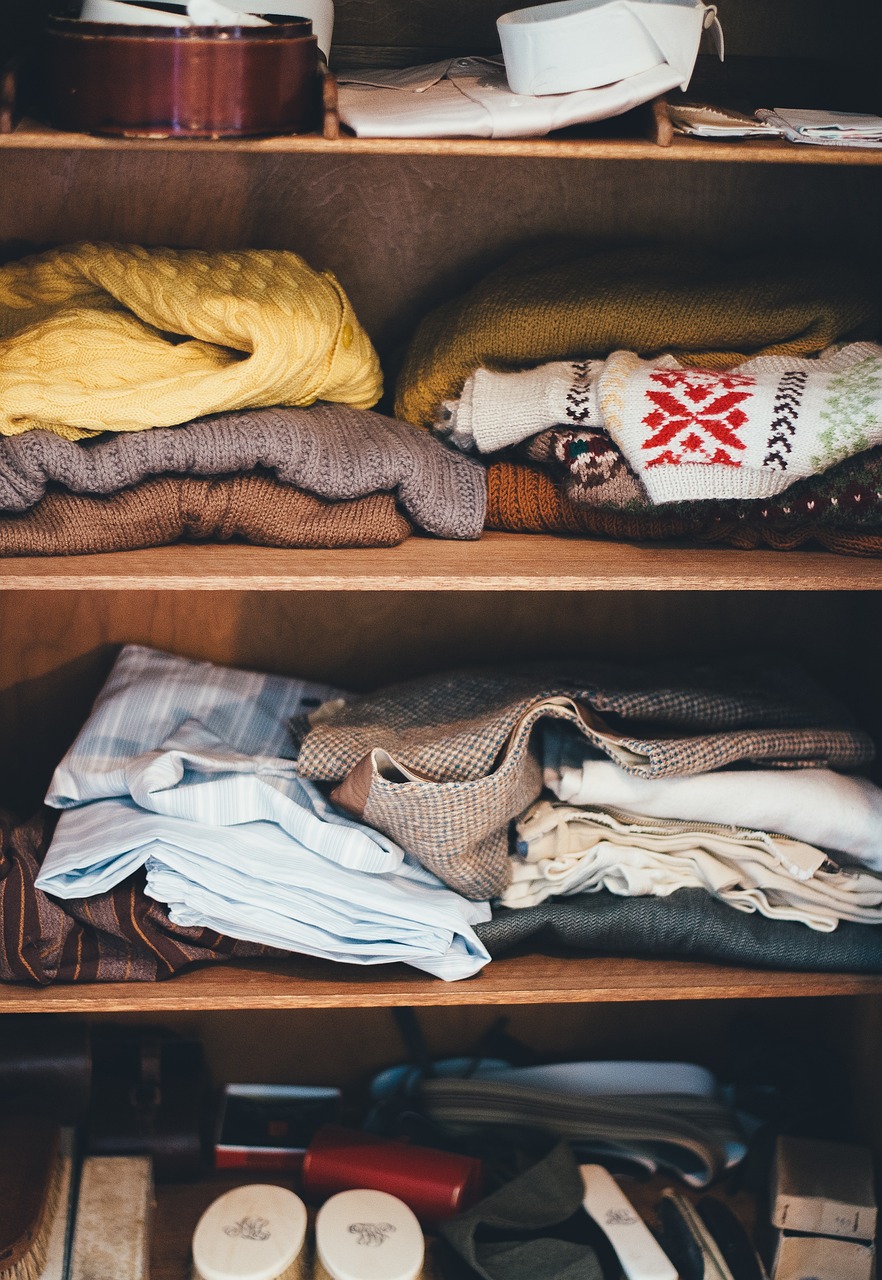
Avoid the temptation of having a huge wardrobe full of affordable clothing. Research shows we only wear 20% of our wardrobe 80% of the time, so it is worth rethinking your relationship with your clothes and developing different buying habits. It is estimated by WRAP that extending the life of your clothes by just 9 months can reduce their carbon, water and waste footprints by 20-30% each. Small changes to how we use our wardrobe can make a big difference.
Buy good quality, durable clothes
It is better for the environment if you buy good quality, durable clothes that you don’t need to replace often. This is becoming known as ‘slow fashion’. Fast fashion clothes are not designed to last and rely on consumers buying a bigger volume of clothes to make up for the low prices they are charging. Instead, focus on brands you really like which invest in durability and sustainability. It is better to have a wardrobe that lasts with clothes that you love to wear regularly, rather than have huge variety of clothes that have a short life that you hardly wear.
Rent clothes for one-off occasions
There are now quite a few options to rent expensive clothes for special occasions, instead of buying outfit you wear once, which then sit in your wardrobe never to be seen again. Websites such as Hurr allows you to rent from a huge range of designer brands.
Buy from vintage shops and charity shops
You can buy high quality, fashionable clothes from vintage shops. Vintage clothes, jewellery and other accessories from designer brands have the added advantage that many of them go up in value over time and could be a good investment. Another option to increase your wardrobe is to buy from charity shops. This encourages reusing clothes which would otherwise end up on landfill and release toxins and microplastics into the environment. It has the added benefit of reducing your carbon footprint and helping the charity’s cause.
Rent baby clothes and buy school uniform second hand
If you are a new parent, there are a lot of options to rent all your baby clothes from good brands for the first years of your children’s lives, which will save you a ton of money. Companies such as Bundlee and The Little Loop offer a range of clothes from a big variety of brands. Websites such as Uniformly mean you can buy your child’s school uniform at the fraction of the price.
Best way to wash clothes
You can save energy when washing clothes in a washing machine by fully filling it up and washing on a lower temperature. A lower temperature means the washing machine is using less energy to heat water to wash clothes. Drying clothes on a heated rack rather than tumble-drying clothes also saves energy. A heated rack does require some electricity but nowhere near as much as tumble drying. This will save at least 0.2 tonnes of carbon emissions a year and is a good way to save money on energy bills.
Best way to dispose of clothes
It is now possible to make money from clothes you want to get rid of. Popular websites like Vinted allow you to buy and sell good quality second hand clothes. Clothes can easily be given away to charity shops and some companies like ‘Redonate’ collect from your door, making decluttering your home even easier. Your local council may also have developed recycling facilities that have local collection points for clothes and shoes.
Leave a Reply