
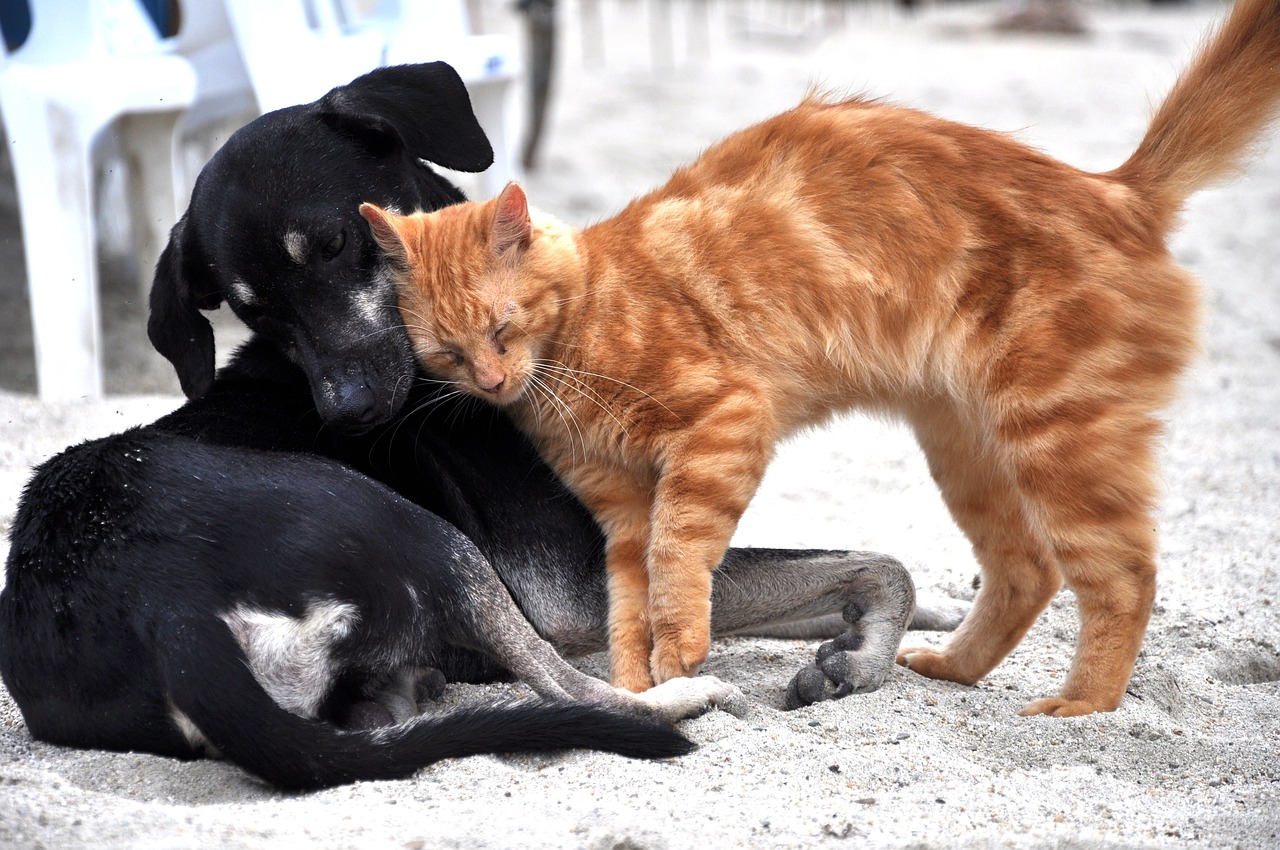
Pets bring us so much joy and more than half the people in the world have them. However, they have a significant impact on your household carbon footprint and biodiversity because they consume food and harm wildlife. You may be surprised how much your pet may be adding to your household’s carbon footprint.
Climate change affects your pets in the same way it affects us. They are vulnerable to the impact of extreme weather. They will find it hard to cope with heat waves, hot pavements, dehydration and heat strokes. The changing climate will also mean pets will suffer more from ticks and fleas as they increase and spread to new areas and more algae will grow in water which can make pets very sick from drinking it. How can you reduce the carbon footprint of pets? It is mainly due to their size, food and how you manage them.
Carbon footprint changes with the size of pet
Should concerns about climate change affect your choice of pet? Research shows how the size of the pet can change its carbon footprint. Professor Bernes-Lee (2020) research shows how much annual carbon emissions are produced from different pets:
25kg CO2e per year for a goldfish
310kg CO2e per year for an average-sized cat
770kg CO2e per year for an average-sized dog
2500kg CO2e per year for a Great Dane
The size of a pet has a big impact on the carbon footprint of animals. The pet with the lowest carbon footprint is a goldfish. They are very small and eat little food. Rabbits, hamsters and gerbils also have a low carbon footprint because they don’t require much food and are herbivores. Cats and dogs have a higher carbon footprint compared to gerbils and hamsters because they are larger and are carnivores. However, big dogs like Great Danes have the biggest carbon footprint, which can be more than triple of an average-sized dog. The number of pets you have also increases carbon footprint. The more you have, the higher the carbon footprint will be from having pets but again their size and diet still matters. Three big dogs have a much larger carbon footprint than three goldfish, rabbits or hamsters.
Pets and food
What can you do to cut carbon emissions if you already have a pet? The easiest thing to do is to reduce the portion of food you give your pets. The next thing you can do is change the type of food they eat. Meat produces more carbon emissions than vegetables, so herbivores like hamsters and gerbils have a much lower carbon footprint than carnivores like cats and dogs. Having a herbivore as a pet is better than having a carnivore. But what if you have cats and dogs that have to eat meat? Avoid giving them beef and lamb because these meats have a much higher carbon footprint than any other meat and it can be substituted for chicken, pork and fish, which has a much lower carbon footprint.
Neutering pets
Neutering cats and dogs prevent unwanted litters which puts strain on demand for food and shelter. Cats and dogs are not endangered species at risk of dying out like wild animals. It is the population of wild animals that is a problem rather than pets. Wild animals only make 4% of all animals and are essential to our ecosystem. They have suffered the most from climate change and need to be prioritised in promoting biodiversity.
Buy eco-friendly pet toys
If you looking to spoil your pet with a gift from Black Friday or Christmas, look for presents that have been made out of natural materials, recycled material or can be recycled. You can get food bowls, collars, leads and toys made from these materials. Another feature of products that cuts carbon footprint is its durability. The longer the products last, the less likely you will need to replace it in the future.
Protecting local wildlife from pets
Wildlife around the world is under threat. A recent report by the WWF Living Planet Report 2026 estimates the average size of monitored wildlife has declined by 73% since 1970. Cats and dogs can have a negative impact on wildlife. Cats catch an estimated 55 million birds a year in the UK and threaten bird population that is already endangered. One way to stop your cat from catching birds is to put a bell on their collar so birds can hear them run in advance and fly away. Also, if you have a bird table in your garden, put rocks around the bottom of the table so it will be harder for cats to leap up to catch the birds. If you have an indoor cat and use cat litter, cat litter is typically not biodegradable. You can use other natural material for cat litter such as plant-based materials and wood.
Dogs harm wildlife in different ways. Dog poo often ends up in plastic bags in landfill. Buying biodegradable dog poo bags should solve this. To reduce dogs’ impact on wildlife when they go for a walk, keep them on a leash and on paths rather than letting them run free for long periods which can by disruptive for wildlife, particularly in the breeding season.
Leave a Reply