
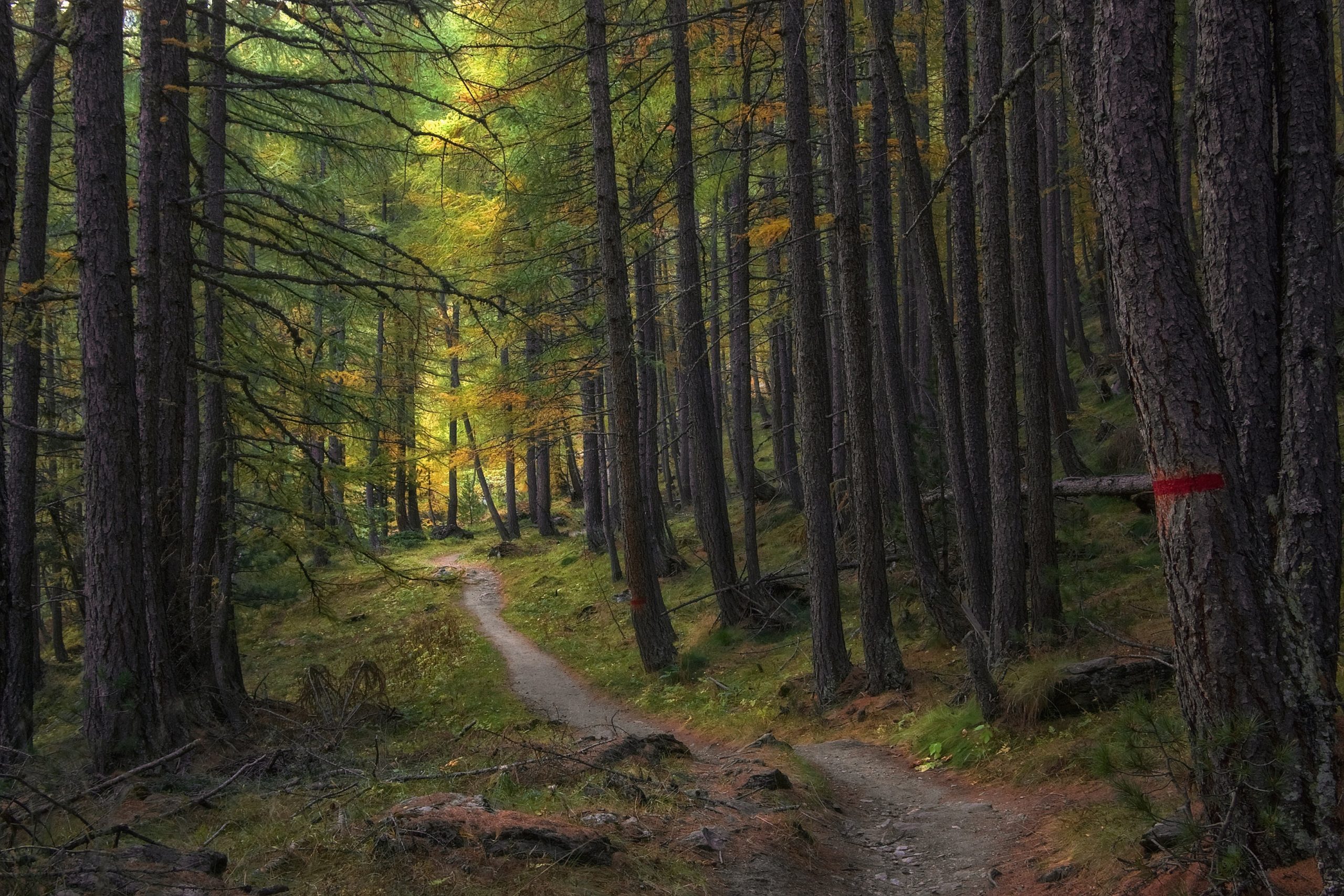
The biggest documentary on climate change right now is ‘How to live on Earth’ on YouTube with Benedict Cumberbatch. The documentary is really good at highlighting how we need to change our relationship with nature and work with it instead of against it. Not only do we need to change how we relate to nature, but there is so much to be gained from interacting with it more. Evidence shows there are so many benefits for our own physical and mental health.
What do we mean by ‘nature’? Nature means open green spaces, like parks or forests, and blue spaces such as beaches and rivers. Nature can also be on a smaller scale such as trees lining in an urban street and indoor or houseplants.
Being in nature calms our nervous system
Walking through green or blue spaces like parks, forests and rivers has been proven to reduce stress because of the way it impacts our nervous system. Being outside, we have more alpha waves in our brain, which is a sign of being in a more relaxed and awake state of mind. We move from asympathetic nervous system activation, which is a fight-flight response which alerts us to danger, to a parasympathetic nervous system activation. A parasympathetic nervous system activation is when the body is in a ‘rest-digest’ state, where our heart rate and blood pressure lowers, our breathing deepens and our digestion increases. We are in a less stressed state and more energised and inspired to plan, think and create.
Alpha waves are stimulated in our brains by sounds and shapes we see in nature. Patterns that we see in nature such as leaves, branches, waves and clouds, known as fractal geometries, are an active ingredient of nature that promotes healing and regulate emotions. It has been proven that sounds of nature calm our nervous system and even reduces blood pressure. Sounds such as rain, waterfalls, wind and birds have an impact on senses and relax us.
Being outside also exposes us to sunlight and improves our health in other ways. Sunlight boosts serotonin, a neurotransmitter associated with feelings of happiness. Depressive symptoms have been linked to a lack of exposure to sunlight and has been recognized as a condition known as ‘Seasonal Affective Disorder’ caused by lack of exposure to sunlight in winter months. Sunlight also provides Vitamin D, which boosts the immune system and helps the nervous system transmit information from the brain to the rest of the body.
When we walk through an environment, living trees and plants give off air-borne chemicals, phytoncides, to protect themselves from threats from fungi, bacteria and insects. These chemicals boost our immune system when we breathe them in, because they boost white blood cells in our blood, which help fight diseases. Soil bacteria improve our immune system, productivity and cognitive power and is even used to treat war veterans with PTSD.
Becoming an activist can cure loneliness
Loneliness has been on the rise around the world in the last decade. It effects 1 in 3 adults in the USA and it is considered so bad for health that it is the equivalent of smoking 15 cigarettes a day.
Becoming a climate change activist is a good way to find a community with like-minded people with a purpose. There are so many different types of activities you can get involved in. There are global movements like Extinction Rebellion that have local branches in many countries. Parents for the Future is an organisation for parents who want to campaign on climate change which operates in nineteen countries. Joining a political party is also a good way to push for change with like-minded people.
There are increasingly organised groups that conserve local areas by litter picking and tree planting in response to adapting to climate change. Repair cafés, which started in the Netherlands and have spread across the world, are run by volunteers which you can join and you can even set one up if there is not one near you.
Reduce climate anxiety by empowering yourself
It is scary watching images of extreme weather around the world destroying lives and hearing projections from climate change scientists of what could come next. But the best way to overcome anxiety is to empower yourself and believe you can bring about change. The power to reduce carbon emissions does not only lie in the hands of governments and large companies, what we do as individuals can make a really big difference.
The quality of natural spaces matters
Research shows the quality of natural spaces we have access to does matter. Polls show those who live in urban areas are not as connected with nature as they want to be compared those in rural areas. Also, groups such as the young, women and disabled face barriers to accessing nature more than other groups. Advocating for access to better green areas is important, not only for adapting and mitigating climate change, but also for your health as well.
Leave a Reply