Is it possible to get enough protein in your diet if you reduce the amount of meat you eat? Can carbon footprint of your diet still be low if you are eating plants as a substitute that have come from abroad? This article was inspired from a comment I saw on Instagram about someone expressing concern that it would be difficult for plants to replace the protein in our diets. It is well known that meat is high in protein and some believe it is a problem to reduce meat in your diet to cut the carbon footprint of what we eat. Protein diets are popular at the moment and known for being good for promoting weight loss. This has led to a ‘protein craze’ and food companies are responding with a variety of protein-packed products. You will see protein snacks, protein shakes, pancake mixes etc being offered all over the high street as well as protein diets trending on social media.
Why is protein important?
Protein in our diets is very important because it gives us energy, and repairs and grows our bodies, especially our muscles and bones. Protein is the building block of our cells and helps build blood, connective tissue, antibodies and enzymes and more. High protein diets can be effective for weight loss, as can a plant-based diet. Protein also supports our immune system and prevents us becoming ill. The average adult need about 50 grams of protein a day. Interestingly, you can have too much protein and that is a particular problem in rich countries today. This has moved public health messages to switch to focusing on protein rich food rather than a particular daily intake.
How much can protein can we get from food?
The data below shows how much you need to eat of each food to get 50 grams of protein and the carbon emissions it creates.
250g of mixed nuts 130g CO2e
800g of peas 220g CO2e
625g of lentils or chickpeas 420g CO2e
2.5 pints of milk 1.6 kg CO2e
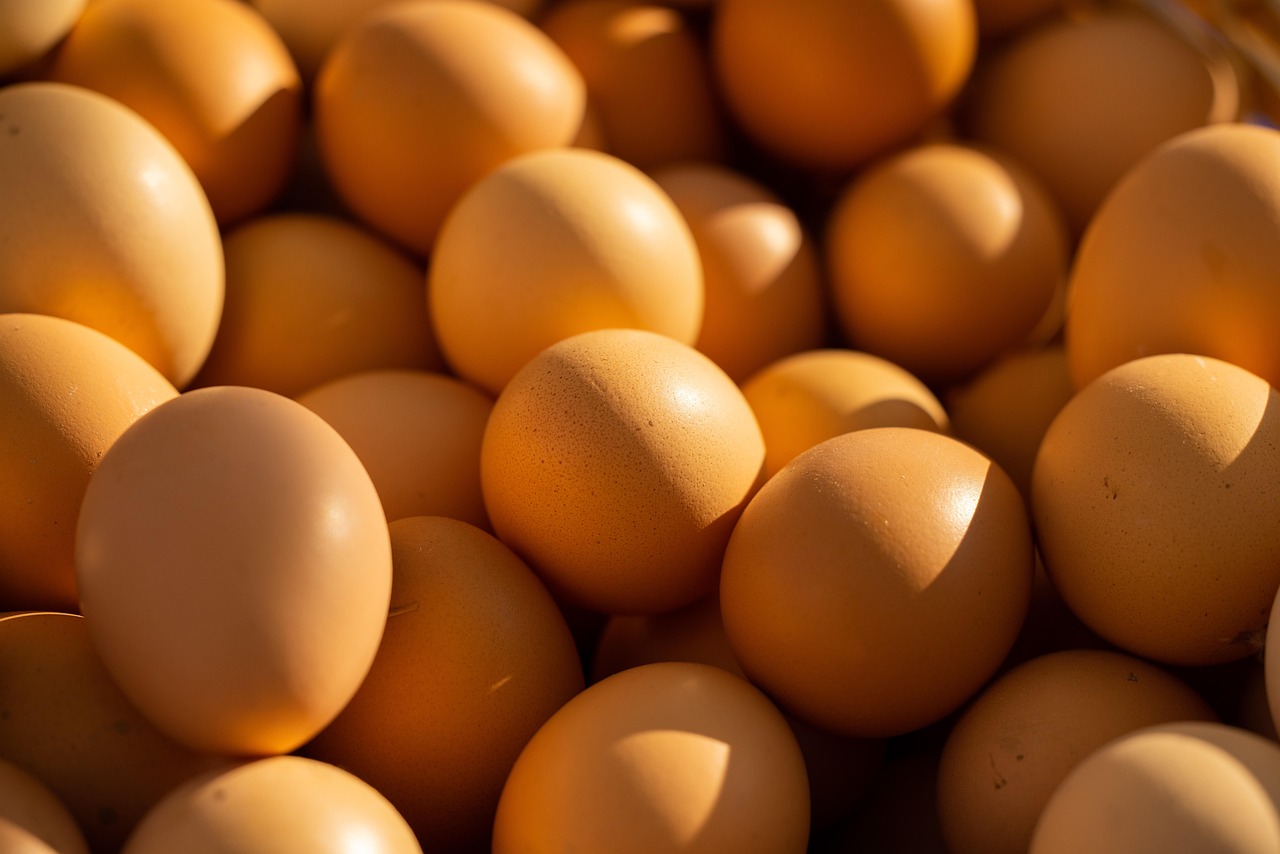
7 large eggs 2.1 kg CO2e
180g of chicken 2.8 kg CO2e
200g of pork 3.8 kg CO2e
200g of king prawns 9 kg CO2e
200g of lamb 10 kg CO2e
190g of beef 25 kg CO2e
The figures shows where you get your protein can really vary your carbon footprint. Getting 50 grams of protein from beef, lamb and king prawns has a much bigger cost compared to other meats and plants.
Can a plant-based diet give you enough protein?
The answer is yes, a plant-based diet can give you enough protein, even if you reduce your meat intake and especially red meat significantly. A plant-based diet takes a number a form: vegan, vegetarian, pescatarian, or flexitarian. In this diet, meat can make up to one third of a diet.
From the data above, it is quite easy to get a daily intake of 50 grams of protein with a small amount of meat and a variety of plants. It is easy to take out beef and lamb from a diet and substitute it for other low carbon meats such as chicken, pork, salmon, haddock or trout and plants to get the recommended amount.
A vegetarian diet can give you enough protein. Certain foods are high in protein such as tofu, lentils, buckwheat, nuts and seeds, as well as vegetables and fruits such as potato, sweet potato, sweet corn, broccoli, spinach, guava, blackberries, nectarines and bananas.
Do meatless alternatives flown from abroad have a high carbon footprint?
Many plants that are substitutes for meat, such as lentils, beans and chickpeas come from abroad. You would expect that this would increase the carbon footprint of meals dramatically and a few circumstances it can. However, research shows increasingly that where our food comes from does not matter as much as what we are eating. Only 2% of carbon emissions from food comes from transport, so it will only contribute a small amount to our entire carbon footprint. This may be conflicting to what you have read elsewhere, and it is true that it is better to eat seasonally. But if you find adapting to a low carbon diet hard, then where the food comes from is one less thing to think about.
Leave a Reply