
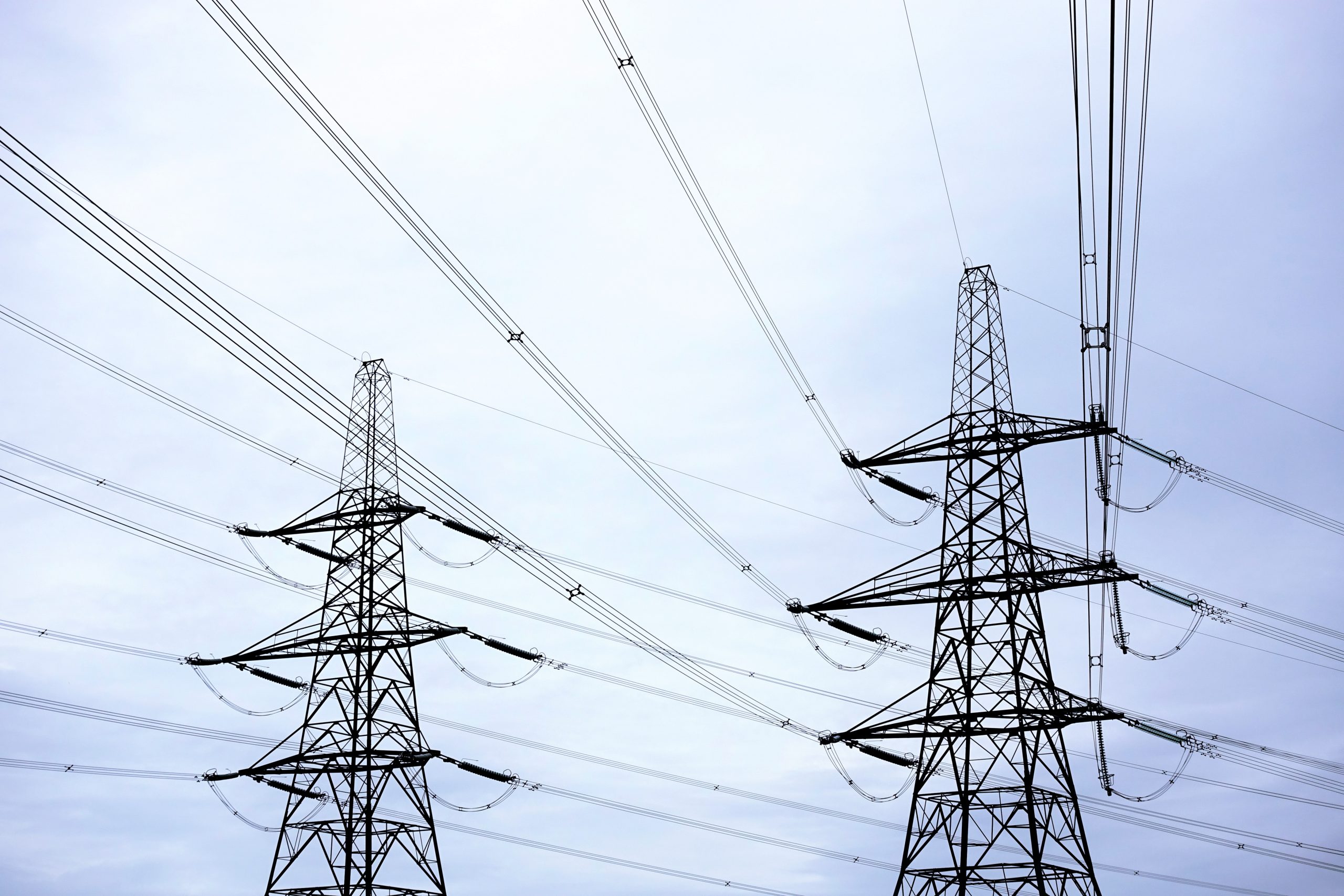
Climate change would be a lot easier to solve if all we had to do was to get our energy use from renewable resources. Except electrifying energy use with technology like heat pumps, solar panels and electric vehicles would increase demand for energy exponentially. The Centre of Research for Energy Demand estimates we would have to produce 4 times more the amount of electricity in the UK to meet demand. This is not possible as this would put electricity grids on excessive stress. The way we produce and consume goods has to be less energy intensive to create a sustainable world.
But how can we reduce the amount of energy we demand on a daily basis? The answer is that we use efficient technology and to buy less items and in particular less single use items. Not only will this cut your carbon footprint, but it can also improve your finances.
Invest in LED lights and switch off appliances
The easiest way to reduce your energy demand from lighting is to simply change all your light bulbs to energy efficient LED bulbs. Another action is to turn off the light and appliances instead of keeping them on standby during the night when you are sleeping.
Put washing clothes and dishes on a colder setting
An easy way to cut the energy demand from appliances in the home is to use them in a more energy efficient way. Putting the washing machine and the dishwasher on a colder setting instantly cuts the energy needed because water is not being heated as much. Also, an indoor heating rack uses a lot less energy than tumble drying clothes, so it is a more energy efficient way of drying clothes.
Walk/cycle/take public transport more
Driving uses the most energy out of all forms of transport. Most cars are run on fossil fuels which makes it much more energy intensive than alternatives. In the USA, car emissions contribute 16-20% to the country’s total emissions according to the USA Environment Protection Agency and 17% in the UK according to the UK government. If you try to substitute a quarter of your car journeys by walking, cycling, taking public transport or car-pooling, this would make a big difference to energy demand.
Cut beef out of your diet
The most energy intensive food is beef. This is because it requires a lot of land and water to raise cattle and are responsible for nearly half of tropical deforestation. What is worse is that cows burp methane, a greenhouse gasses more potent than carbon dioxide. To make one quarter pound beef burger requires 1695 litres of water and each cow needs 4.5 hectares or land to graze. Consumption of meat and dairy is considered one of the worst ways humans leave their carbon footprint on earth by the scientific community. If you are willing to cut just one thing out of your diet for climate change, then cut this out.
Buy what you need and avoid single use items
The easiest way to cut down the energy you use is to simply buy less. Does not seem appealing, but how do we make this work without compromising our lifestyle? Buying what you need also means introducing the mantra of ’reduce, reuse, recycle’. The aim is to cut down on the items we buy reducing what we do not need and reusing items so that they have a longer life. Here are a few ideas of what you do in different situations:
When you go out for leisure:
When we go out to the park, cinema, doing outdoor sports, or going to an event, we usually end up buying drinks and snacks. An easy way to reduced your carbon footprint is to bring reusable coffee cups and reusable water bottles with you. Disposable coffee cups have been on the rise since the 1990s and hundreds of billions of these cups end up on landfill each year. Using reusable cups and bottles makes a difference as they do not need to be made and discarded after one use.
When you are going food shopping:
When you are doing weekly foods shopping at the supermarket, carry around reusable shopping bags, to cut down single use shopping bags. The less you buy, the lower your energy demand, so only buy food that you need and do not get tempted by special offers. It is estimated that we do not eat 22% of what we buy.
When it comes to clothes shopping:
When it comes to clothes shopping, buy items that are durable and will last. The more clothes we buy, the more energy we are using, because raw materials need to be produced, transported to factories, turned into clothe items and then transported to their final destination. Energy is needed at every stage of production. The best thing to do is to avoid fast fashion as much as possible because it encourages repeat buying and high-volume purchases with their tempting low offers. It’s impact on climate change is terrible adding 8% to carbon emissions from its production and second-highest producers of waste.
Another way to reduce the amount of clothes you buy is to repair torn clothes instead of discarding them too quickly. If you do not know how to sew, there are Repair cafes popping up all over the world. This is a café run by volunteers that repair items for free and you can take your clothes there to be repaired.
When it comes to household items:
There are an increasing number of companies that provide refillable bottles for a variety of products such as shampoo, conditioner, cleaning products, washing up liquid and laundry. Buying in bulk and using refillable bottles means you are buying less single use products and creating less plastic waste.
Leave a Reply