
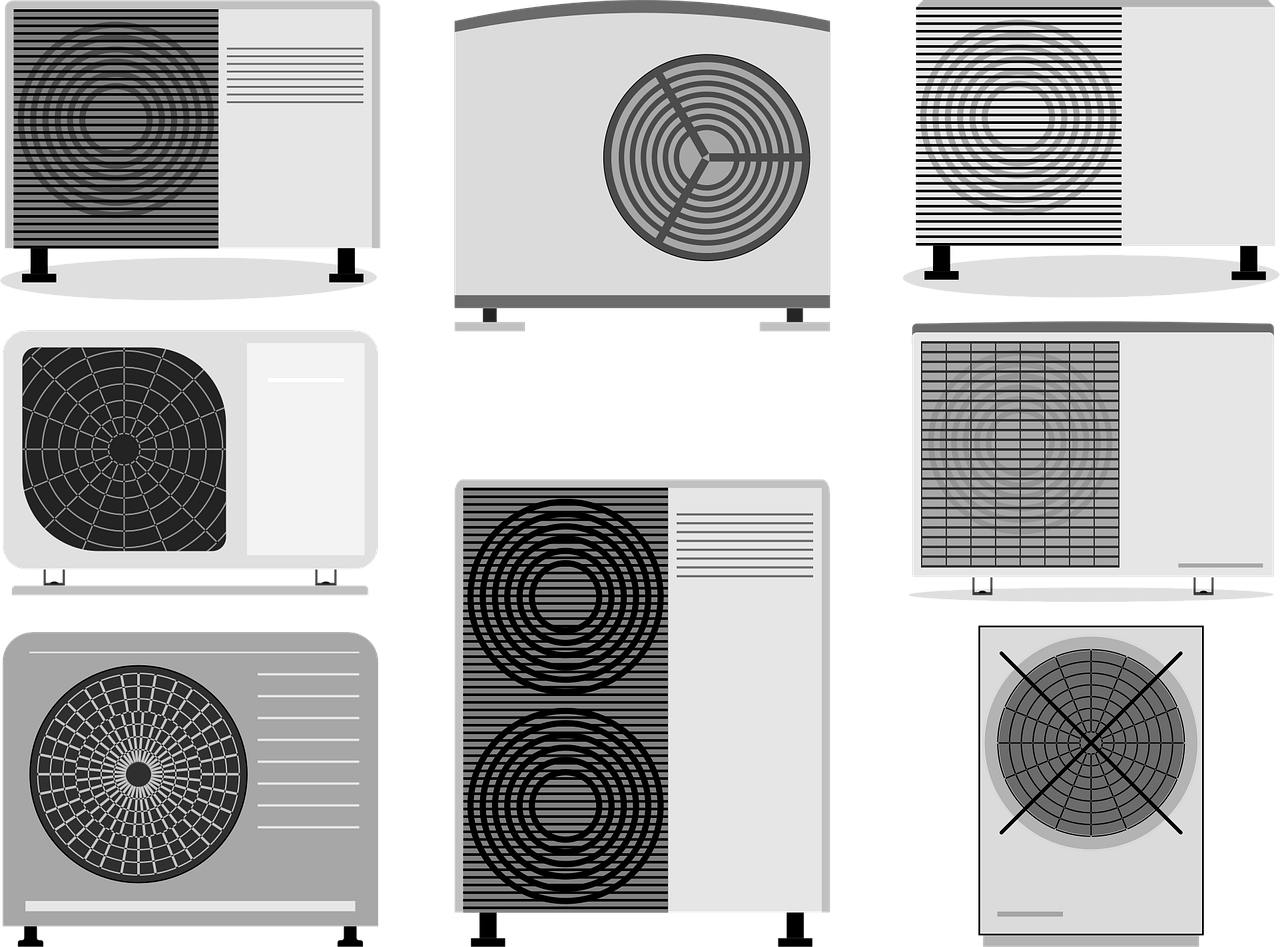
Heat pumps are not a popular idea amongst the public in the UK. A survey suggested recently at about half the population would not consider buying one. There many reasons people think this: heat pumps are considered too expensive, noisy and difficult to implement. However, if there is slow adoption of heat pumps by households, it will be hard to achieve Net Zero targets by 2050. If you have concerns over heat pumps, it is worth revisiting your understanding of how heat pumps work and if these opinions of heap pumps are really true.
How expensive are heat pumps?
A heat pump will cost around £11,000 for the average house. Depending on the age of your boiler it replaces, the saving can range from £40 – £700 a year. The older the boiler, the more money you save, but if you have a very new boiler the savings will be very small. The return on investment will also depend on your use of gas. The more gas you use, the greater the savings will be and the faster the investment will be repaid off.
Are heat pumps very noisy?
The noise a heat pump makes is between 40-60 decibels. This is the same as a dishwasher, gas boiler or refrigerator. They make more noise in cold weather because they need to work harder but it is not significantly louder that you could not hear your own voice.
Are heat pumps only good for certain homes?
It is possible to put a heat pump in any home. But it is harder to install one in some homes than others. Depending on the size and age of the house, the current central heating system and the proximity to other houses, this will change the difficulty in installing one. There are three factors that affect the challenge of installing a heat pump, which need to be considered as well as the cost getting one.
Heat pumps are more consistent and run cooler than traditional central heating system, which is why it is better to have an insulated house. If you live in a big old, draughty, uninsulated house, a heat pump will not be the most effective way to heat your building and it puts pressure on the system. If you are interested in getting a heat pump, invest in insulating the roof, walls and floors, getting double-glazed windows and draught-proofing the house before buying one.
There are also regulations that a heat pump cannot be too close to other houses. In England and Scotland, an air-sourced heat pump must be one metre away from the perimeter of the neighbour’s property and in Wales it needs to be two metres away. A ground-sourced heat pump takes up more land as it needs to be installed deep into the ground and installing one may depend on planning regulations.
Do I have to rip out all my radiators and pipes to install a heat pump?
When you get a heat pump, you will be replacing existing gas, LGP or oil-fuelled central system. The existing piping and radiators of a house impact how hard it is to install an air pump. Air sourced pumps prefer pipes used by oil and LGP boilers which are 15 or 22 mm. It is possible to use existing radiators, but this could affect their efficiency. Usually, when a heat pump is being installed, it involves changing some of the radiators, but it should not be a huge inconvenience. It costs £200 to replace each radiator and heat pump installers will give you a quote to include this.
Are heat pumps hard to install and fix?
It is important to have a heat pump installed properly, otherwise it could cause problems. When choosing a heat pump installer, you should get a few quotes before going with one of them and make sure they have a good reputation installing heat pumps. Heat pumps are not hard to install and require as much maintenance as a boiler.
Do heat pumps work below freezing levels?
Heat pumps are made to withstand temperatures down to -25 degrees Celsius and you can get specialist heat pumps to operate in even colder temperatures. Heat pumps are widely used in many cold countries such as Norway, Finland and Sweden, so cold weather will be no issue for heat pumps.
Leave a Reply