
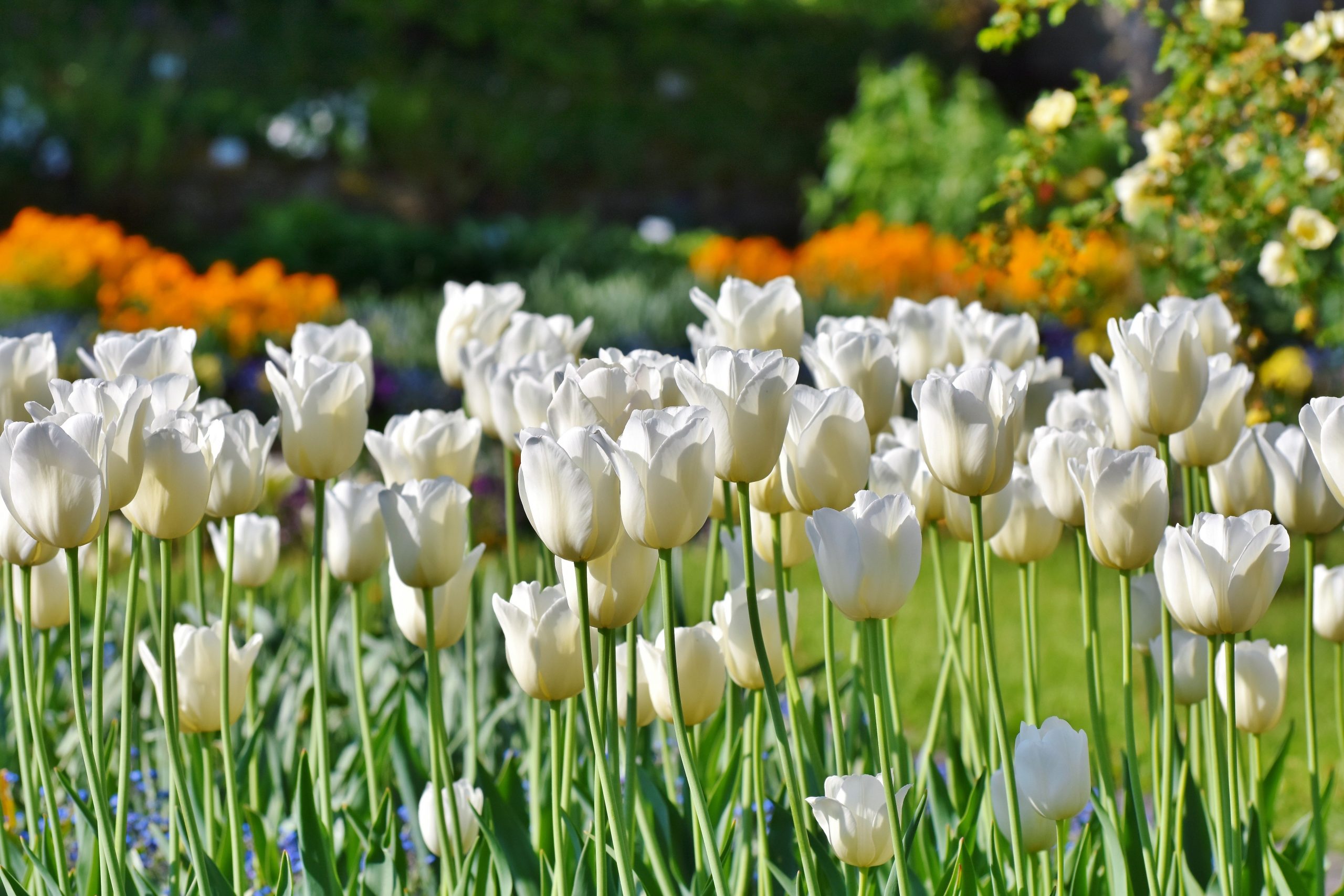
A new season has arrived and new weather gives us different options to reduce our carbon footprint. The Royal Meteorological Society states changing weather patterns means there will be drier, warmer Springs. The consequence of this is that we are more vulnerable to droughts, and more likelihood of an ecological mismatch with plants blooming before the timing of pollination and migration events. How can we contribute to fight against climate change and lower our carbon footprint in Spring?
Turn down the thermostat at home
As it becomes Spring, it will be warmer and we can afford to live with less heating. One action you can take at home is to turn down the thermostat as it is easier to stay warmer. Turning down the thermostat by 1 degree Celsius in the home can save money and carbon emissions from heating your home.
Dry clothes on a line
Drying clothes on a line instead of tumble drying them saves a lot of energy and it is estimated to save 0.2 tonnes of carbon emissions annually. Research by Professor Berners-Lee shows how emissions from washing laundry increase from 540g CO2e when washed at 40oc and dried on the line to 2.1kg when clothes and washed and dried in a tumble-dryer. It is also estimated to reduce energy bills by £50 annually.
Do more walking and cycling
The weather is better and warmer, so it is nicer to walk or bike to your destination instead of driving a car, especially for short journeys. It is also worth investing in low carbon vehicles such as electric bikes. Electric bikes make it easier to travel up hill and go up to twenty miles an hour. The average amount of car emissions produced in a year is 2.4 tonnes. Just reducing a quarter of your car journeys can cut at least half a ton of emissions as well as saves hundreds of pounds a year, an estimate of £356 by the Energy Saving Trust.
Eat more seasonal food
A new season means there are new seasonal fruits and vegetables that will have a lower carbon footprint because they are grown locally instead of coming from abroad and so travelled shorter distances. If you live in the UK, the following fruits and vegetables are in season:
Fruit: Rhubarb and strawberry
Vegetables: Asparagus, broccoli, cabbage, carrot, chard, cauliflower, chicory, garlic, kale, lettuce mushrooms, peas, radish, spinach, spring onions, turnip, watercress.
There are some fruits that can be eaten all year around because of the way they are transported. Apples, oranges, bananas and pineapples can be eaten sustainably all year around because they are transported by boat instead of airplane. Although what you eat matters more than where it comes from, eating seasonally will bring down the carbon footprint of your diet.
Buy sustainable clothes for Spring/Summer
If you are looking to buy clothes for Spring and Summer, why not consider vintage shops or clothes you can rent for special occasions. There is a growing online industry in good quality second-hand and rented clothes websites like Hurr and Vinted. This is particularly true for children who grow out of clothes quickly. It is worth investigating online what you can rent for children instead of buying and all of this can save you a lot of money.
Try to avoid the temptation of fast fashion and invest in a long-term wardrobe. We only wear 20% of our wardrobe 80% of the time, so we waste money on clothes we hardly ever wear, and it is estimated that extending the life of each item of clothing by 3 months would bring down the carbon footprint of the item by 5-10%. Try to avoid fast fashion as much as possible because it has been terrible for the planet. It contributes 8-10% to global warming and use 20% of industrial water.
Plant flowers and trees
Spring is the beginning of the flowering season, and it is a good time to start attending your garden to give a boost to biodiversity in your garden. Planting flowers and trees provides food and shelter for creatures in the garden. The best ones to plant are the ones native to your country. Another action to take is to not mow the lawn too often and leave the cut grass on the lawn. For a conventional lawn, it does not need to be cut more than once a fortnight. An even better thing to do is to grow a ‘no-mow’ lawn where the lawn is covered with small flowers, which is great for pollinators. If you don’t have a garden, there are community projects planting trees popping up around the globe that you can become part of.
Leave a Reply