
Heatwaves have been hitting Europe over the past few weeks with devastating consequences. It caused deaths for humans across the continent and it has been damaging to the environment. Hotter summers has caused droughts and wildfires in many countries and harmed the habitats of animals and making it harder for them to thrive. Biodiversity, the variety of plant and animal life in our environment, has declined in the UK by 19% since 1970 and one in six species in the UK face extinction. On top of this, there has been a 74% drop in populations worldwide in mammals, bird, fish, reptiles and amphibians since 1970. Every effort we make to help wildlife will make a difference. Here are some suggestions how you can help reverse the decline of wildlife in your garden. You can improve biodiversity in the environment by helping life for insects and invertebrates, reptiles and amphibians, birds and mammals. This is more important as we face more extreme weather in the future with floods, droughts and wildfires making it harder for animals to survive.
Insects and invertebrates
One way to help insects and invertebrates is to provide extra water for them, especially in warm weather. Insects usually drink rainwater on plants, ponds, damp areas and sap from trees. These sources can dry up in summer, so providing a saucer of water will help them to hydrate. Put stones or pebbles in the saucer so that insects and invertebrates have something to stand on whilst drinking without falling in. You can also help insects by providing them with shelter, such as an insect house or bee hotel. These can be bought in garden centres or you can make your own.
Reptiles and amphibians
The best way to help reptiles and amphibians in your garden is to make a pond. They are cold-blooded and they seek out areas that will retain heat for them to bask in during the Spring and Summer. Ideally a pond will have sloped sides to provide a ramp for reptiles to access the pond. There should be shallow areas and boggy areas within the pond and a variety of vegetation for newts and tadpoles. During the Autumn and Winter months, reptiles and amphibians hibernate. You can help them by creating hibernating areas, known as hibernaculum. Find a quiet corner in a grassy area near some shrubs which has a mixture of sun and shade to dig a hole. Fill the hole with logs, branches and rocks, and add drainpipes or tubes on either side of the hibernaculum so reptiles can access it. Then put soil on top to cover the pile.
Birds
You can make your garden bird-friendly by providing a bird feeder, water and shelter. Bird feeders and bird tables should be placed away from areas where humans cause disturbance, such as back doors where you come in and out of your home because this will scare off the birds. They should also be placed away from potential predators and near places they can fly to safety. If you have a cat, put a bird table in places that are difficult for cats to get to and put stones around the bottom of it so it is hard for cats to jump up and catch the birds. Bird tables and bird feeders should be placed near trees so birds can fly away if cats are trying to hunt them. Cats catch millions of birds a year and contribute to the decline of bird populations, so it is a genuine problem that needs to be considered. Providing water is beneficial for birds for drinking and cleaning. Birdbaths need to be topped up with fresh water regularly to keep it safe and appealing. It is also becoming more vital to provide shelter for birds by buying a nesting box, as natural nesting areas are declining rapidly.
Mammals
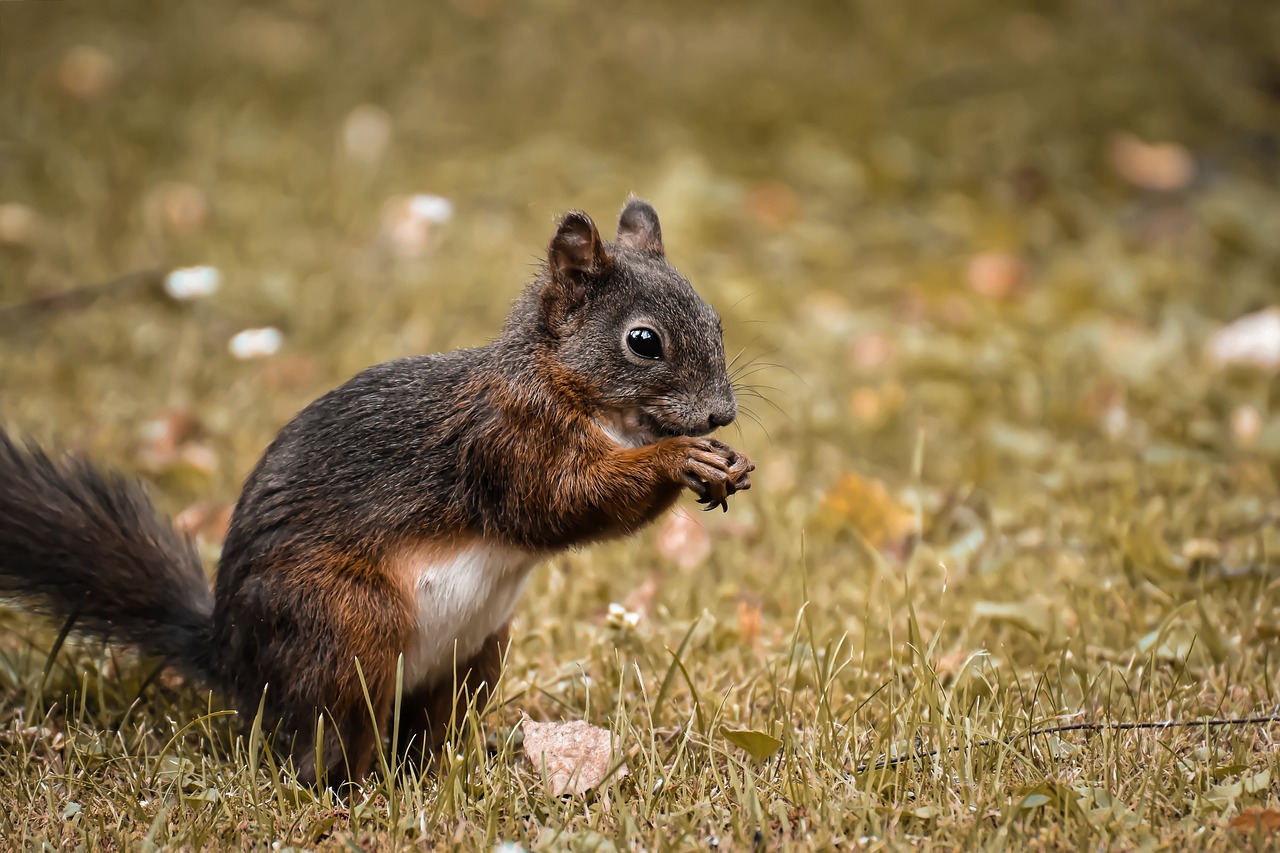
There are a wide range of mammals in your garden, from bats and mice, to voles, squirrels, badgers and foxes. You can provide food for them, such as mixed nuts for squirrels and dry cat or dog food for hedgehogs. Having a garden pond or a dish of water will help them to stay hydrated. You can also buy shelter to protect mammals, such as hedgehog houses, a mouse box, a squirrely box and bat boxes. Shelter will help mammals stay cooler in heatwaves. This will help reverse the declining population of some of these species.
Leave a Reply