
Heatwaves are going to be much more common in the future. Rather than being an occurrence every few years, by 2050 they will be happening every summer. What is a heatwave? A heatwave is a period of abnormally hot weather lasting at least two days. What is considered hot weather depends on the typical temperature of the local area, but by 2050, heatwaves will be happening every year across the world. Europe is heating up faster than any other continent and will have heatwaves every summer with temperatures reaching between 40-45 degrees Celsius in most countries. In Asia, places like Bangkok are predicted to reach 45 degrees Celsius for over thirty days a year by 2050. In the USA, it is predicted there will be an extreme heat belt from Texas to the Great lakes, exposing 100 million Americans to heatwave of up to 50 degrees Celsius (125 degrees Fahrenheit) annually.
It is inevitable we need to prepare to live and work in prolong periods of intense heat. So how can we cool ourselves? Buying an air conditioning unit Is the most obvious answer, but they consume lots of energy and are expensive to buy and operate. What are the alternatives to stay cooler at home AND be energy efficient? The Energy Saving Trust has good tips of cooling down your home without having to use too much energy and that is inexpensive.
Free ways to cool down the home
An entirely free way to cool down your home is to open your windows in the right way at the right time. Opening your window seems like an obvious piece of advice, but done in the wrong way, you can end up heating up your house even more. The best time to open your window is in the cool part of the day. If it is predicted to become hot during the middle of the day, you can open windows in the morning before it gets hot to let the cool air in. It is more effective if you open windows on all sides of the house and that are opposite each other to create a tunnel of cool air. When it is hot during the day, shut the windows otherwise you will be letting hot air into your home and it will make your home even warmer. Another way to keep warm air out of your home is to draw the curtains or blinds during the hottest part of the day. Once the sun has moved away and it has become cooler, you can draw back the curtains or the blinds.
Inexpensive ways to cool down the home
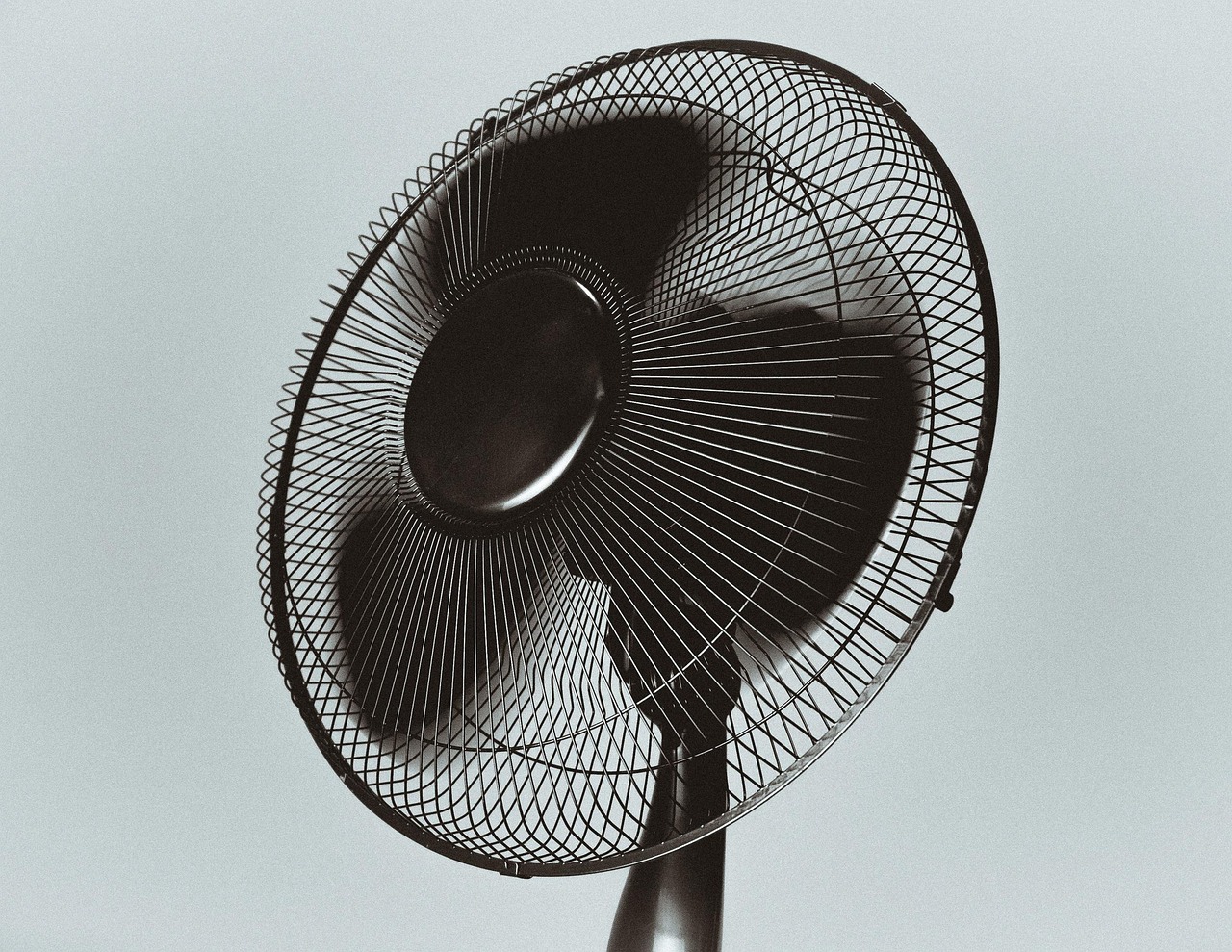
A low-cost way to cool down your home is to use fans. Fans do not use as much energy compared to an air-conditioning unit. Using a fan for 24 hours continuously cost 15-30 pence a day whilst using a portable air conditioning unit for the same length of time cost £4.84 – £6 a day.
If you want to use something more powerful than a fan, a more energy efficient alternative to an air conditioning unit is an evaporative air cooler. They cost much less than an air conditioning unit to operate, costing 28-40 pence to use for 24 hours. They work like air conditioners by taking out warm air using water. This is why it is important that the room is well ventilated, otherwise it can increase the amount of moisture in the air. If you have damp and mould problems in your home, this is not the best option for your home. If evaporative air coolers are the right option for you, there are lots of options to choose from, and they differ on size, noise level, power use and cooling impact.
Home improvements to keep homes cool
There are other home improvements you can invest in such as solar film for windows and insulation. You can buy solar film for windows to reduce the amount of heat entering the room. They come in different sizes and are cheap to buy. It is best to prioritize south facing windows if you are keen to put it on every window in your home. Another effective way of keeping you house cool is investing in insulation. Usually, we think of insulation as a way of keeping a house warm, but since it is good at keeping temperature stable in a building, it keeps a cool building at a cool temperature. Insulation works in the same as a thermos flask, keeping hot drinks hot and cool drinks cool and it will do the same for your home.
Leave a Reply