
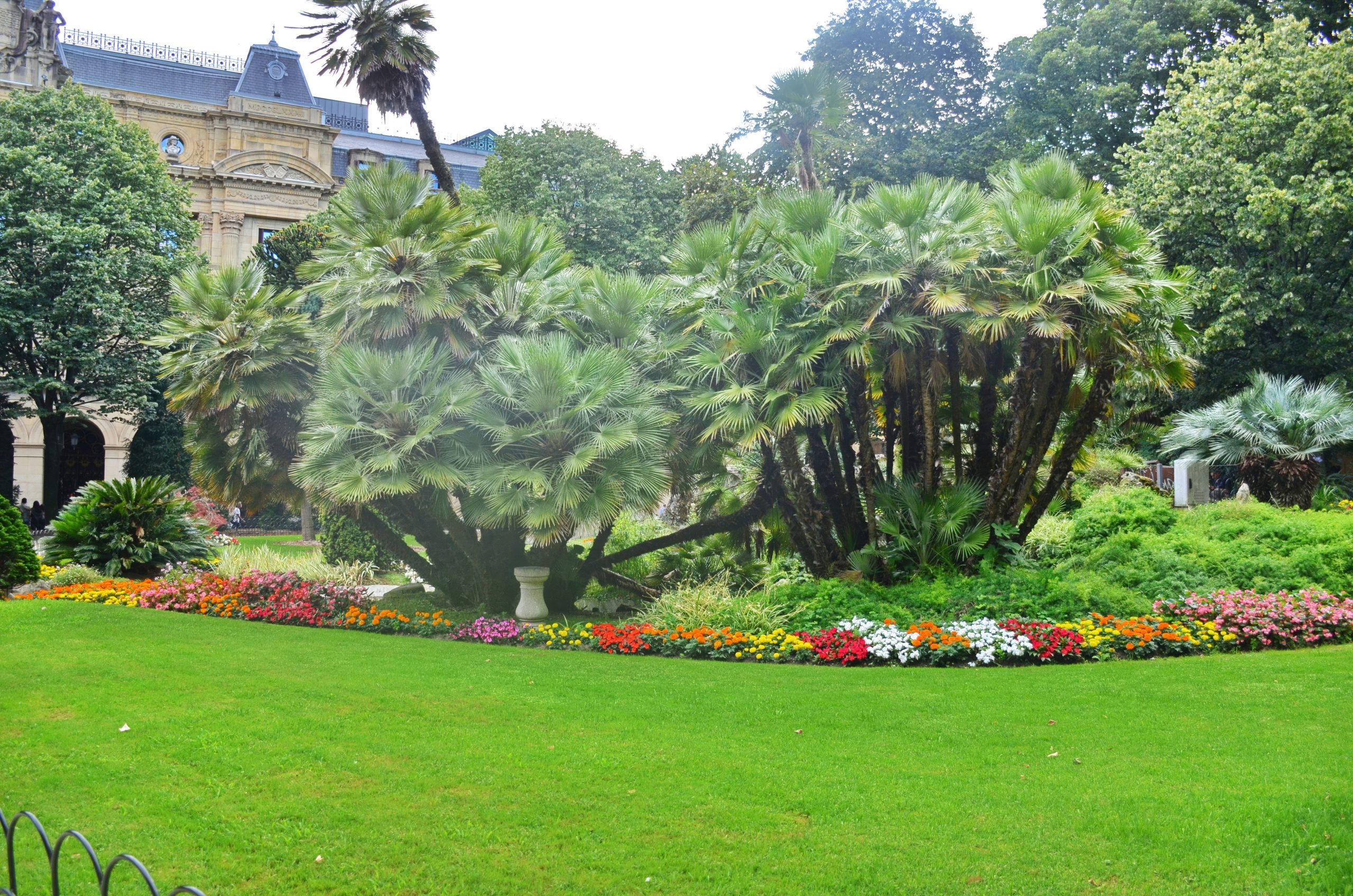
How can you do gardening in a way that benefits the environment and makes your life easier? Manicured lawns are very popular but maintaining a manicured lawn is difficult and time consuming. The regular mowing, watering and weedkilling takes a lot of effort and is back-breaking work. But there is an opportunity to create a beautiful lawn that requires very little maintenance and is much better for biodiversity. Manicured lawns are not good for biodiversity because it gets rid of a range of flowers and grasses that would otherwise grow and this discourage pollination.
Since the 1930s in the UK, there has been an eradication of 7.4 million hectares of meadows which has led to a significant decline in biodiversity. But with 23 million gardens in the UK, we can make a very big difference to improving the environment for pollinators and all types of species. Here are some alternatives to manicured lawns which can bring colour to your garden and can be managed with a lot less effort.
A wildflower meadow
A wildflower meadow is made up of a range of native wild flowers and grasses. You can start by letting you existing lawn grow and leave the wildflowers, usually thought of as weeds, to thrive because they are food for pollinators. Another alternative is to start a wildflower meadow from scratch. A wildlife meadow can be grown by cutting the grass as short as possible in late Summer or early Autumn and buy a mix of wildflower seeds from a garden centre. Leave the cut grass on the floor, then scatter and tread on wild flower seedlings into the ground. A wild flower meadow only needs to be cut twice a year at the beginning of Spring and the beginning of Autumn. It is recommended that when it reaches 10-20cm, cut 5-7cm off, but just be careful of animals that created habitats in the meadow when you are doing this.
No-mow May
If you do not like the idea of a lawn full of wild flowers and want the garden to look more orderly, what can you do instead? You can time the mowing of your garden to benefit biodiversity and take part in ‘No-Mow May’. Experts recommend only mowing your garden once at the beginning of May and leaving it until June to take advantage of Spring flowers. It is best to mow less often over the summer months to make the most of the season when flowers are bloom for pollinators and mow it once a fortnight or longer during a drought season for a conventional lawn. A lawn with wild flowers or long grass only needs to be cut twice over the summer.
Mat forming plants
There are lots of ‘no-mow’ lawns you can grow, which when fully grown, need little or no maintenance and do not look as wild as a wildflower lawn. Mat-forming plants produce beautiful looking lawns of small, low-level flowers that only grow 3-4 inches high. Once they have grown, some do not need to be cut at all or only twice a year, with no need for watering or weeding. Creeping thyme and creeping phlox are two examples of mat-forming plants that can take place of a manicured lawn and attract pollinators with a field of small flowers.
Creeping thyme is a mat forming plant that spreads thin stems with blue-green leaves across the lawn. Bunches of small, pink tubular flowers bloom in the summer months and attracts bees, but it is still walkable. Creeping thyme can get water logged so it is suitable for loose, sandy or rocky soils with good drainage and sun. It will rot in wet soils but tolerates some shade, drought and poor infertile soils. Creeping phlox is similar to creeping thyme but come in lots of different colours such as pink, lavender, blue, white and some are fragrant. They stay under six inches and spread across the lawn. During Spring, tubular flowers cover plants for several weeks. It grows particularly well in sandy, well-drained soil full of sun.
Other ways to avoid manicured lawns
There are other ways to make your garden better for the environment if you do not want get rid of your manicured lawn by instead reducing the size of it. If you want to keep areas of lawn well cut so you can go barefoot, why not create small sections of the lawn for wildflowers. Even if it is a smaller area, having wildflowers provides food and habitats for pollinators and other wildlife. Creating a pond also reduces the size of a lawn and the need to look after it. Ponds are great for boosting diversity in the garden because they attract insects, birds, frogs and all sorts of mammals such as hedgehogs because they are a source of drinking water and habitat.
Leave a Reply