
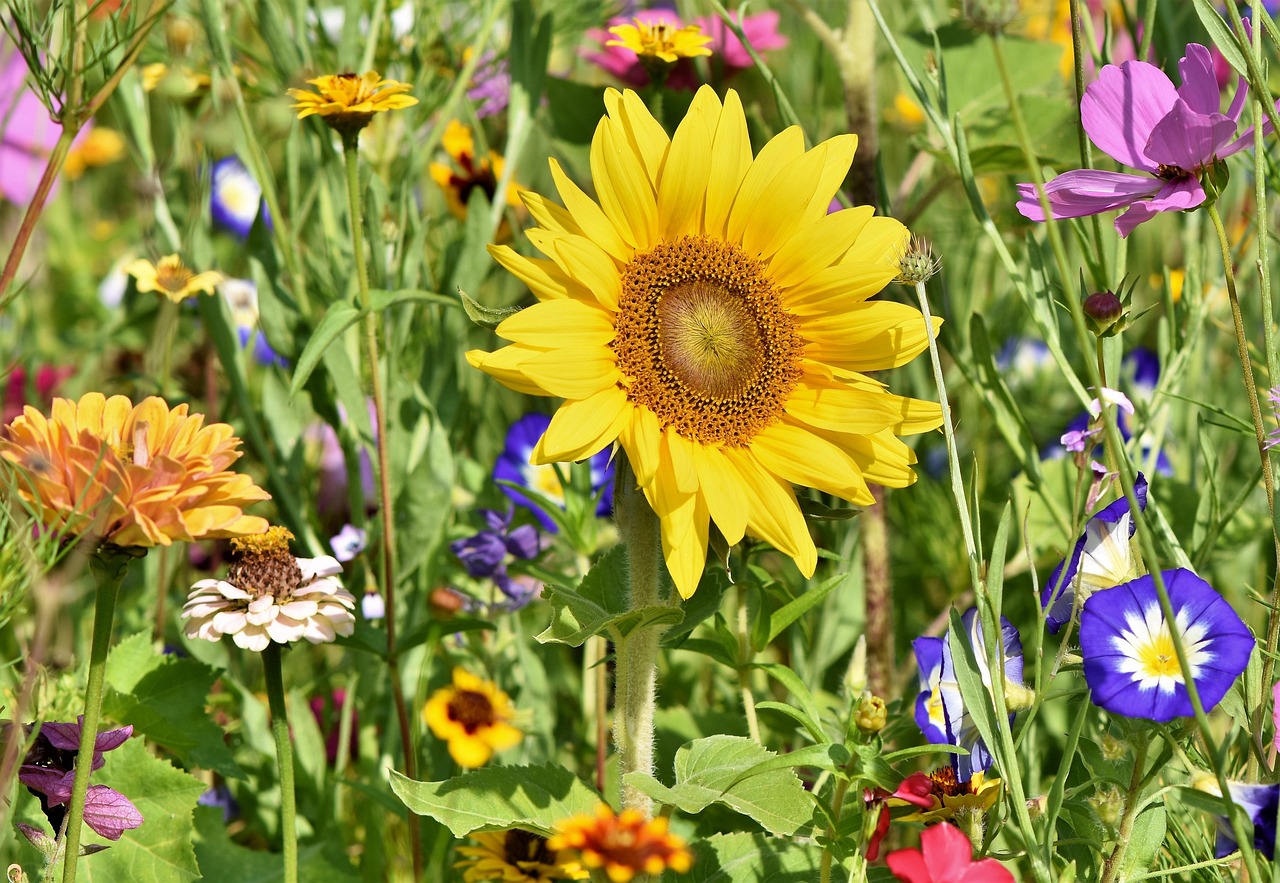
Spring has arrived and there is opportunity for those with gardens to start gardening activities. What we do in our gardens is really important because domestic gardens combine more land in the UK than all of the UK National Nature Reserves, so we can make a difference. Creating a low carbon garden that boosts biodiversity is an effective way to fight climate change.
What is biodiversity and why is it important?
Biodiversity, which means the variety of all life on earth, is declining at a fast rate across the world. On average, there has been a 73% decline in wildlife populations since 1970.
Biodiversity is important because we rely on it to survive. It supports all life on Earth, and it is essential to have a wide range of plants, animals and microorganisms to have healthy ecosystems. This provides us with food and the air we breathe.
Planting flowers and trees
Planting flowers and trees is a great way to boost biodiversity in the garden and mitigate the negative impact of climate change. It creates habitats for creatures; it locks carbon away and absorbs water and reduces flooding.
It is best to plant a mix of flowers that will allow for nutrition throughout the year for creatures. Plants that flower in Spring are Primrose, Forget-me-not, Bugle and Stinking hellebore; in Summer, plants that flower are Foxglove, Comfreys, Clover, Teasel, Honeysuckle, Vipers bugloss; in Autumn, plants that flower are Buddleia, Heather, Aster, Scabious and in Winter, plants that flower are Snowdrop, Red campion and Winter heathers.
The best flowers to plant to attract pollinators are fragrant flowers. Many pollinators rely on smell instead of sight and will use fragrance to find the species of flowers. Herbs bushes are particularly good to grow because they have a strong smell and attract pollinators throughout the whole day.
Planting trees make a big difference to biodiversity because it provides shelter and it is important for locking in carbon and you should consider growing them in your garden, such as silver birch, hawthorn, wild cherry, crab apple and elder trees a good to grow in the UK because they are native.
Mowing the lawn
Now winter is over, you will be cutting the lawn regularly. It is popular to have lawns that are overly-manicured and neat. But the problem with having very short grass all year round is that it can cause damage to the lawn long term, makes it patchy. It also undermines biodiversity because it reduces food and shelter for animals. There are alternatives to what you can do for your garden. The lawn can be turned into a wildflower meadow or you can create patches of grass of different lengths where biodiversity can thrive. If you do like the look of a tidy garden, then cut the grass more than once a fortnight and do not cut it shorter than 1.5 inches.
Another thing you can do that helps the biodiversity and the environment is not to throw away the grass cuttings and leave it on the lawn. Throwing away grass cuttings is a lost opportunity for nutrients to go back into the ecosystem of the garden. Grass cuttings that end up in landfill creates methane, a greenhouse gas, and contributes to global warming.
Creating habitat and feeding areas for creatures
Creating habitats and feeding areas for creature is important to support species that are declining. There are a few things we can do to help animals thrive in our garden. We can give a boost to our declining bird population, which has dropped by 18% since 1970 in the UK, by having a bird feeder and hanging apples from trees for bird to eat will help find food more easily. Other habitats you can put in the garden is a bug hotel and a bird/bat boxes and hedgehog houses. Creating a woodpile and leaving the leaf litter on the floor makes homes for insects such as butterflies and wasps in the colder months. Also logs make a home to many creatures such as frogs, newts and slow worms.
Building a pond is one the best things to support ecosystems and biodiversity. A pond will attract frogs, dragonflies, birds and other insects. An alternative to building a pond is to provide water for creatures, particularly in the warm months. Take a shallow dish and fill it with pebbles, gravel and soil. Add water to it so the makes the soil damp, but does not completely cover the stones. The pebbles allow the creatures to stand on something whilst drinking water without falling in.
Composting
Composting your food has many benefits for your garden. It can provide food and shelter for animals in the garden. It will create a haven from mini beasts, such as woodlice and millipedes. Compost makes the soil healthy and helps everything growing in it. Making your own compost means it is free and easy to produce. It also means you avoid buying imported compost with added air miles.
Other things to avoid doing in the garden
There are a few things that people often do in their garden that destroy ecosystems and biodiversity. Concreting over your garden and covering it with paving stones, reduces the area it can flourish. Overly manicure lawns and flowerbeds and cutting grass really short regularly diminishes the biodiversity. Another thing to avoid doing in the garden is reducing chemical use to manage plants. Chemicals in gardening products harm ecosystems in the garden, so instead buy organic gardening products.
Leave a Reply