
When we have a shower, it adds to our carbon emissions we create from our household. But how can you reduce your carbon footprint from having a shower? This depends on the time you spend in the shower and the type of showerhead and boiler you use. It is a very easy way to cut household carbon emissions and a small effort in this area can pay off financially. Adopting these tips can help you save up to £400 for a family on water and energy bills a year.
Type of showerheads make a big difference
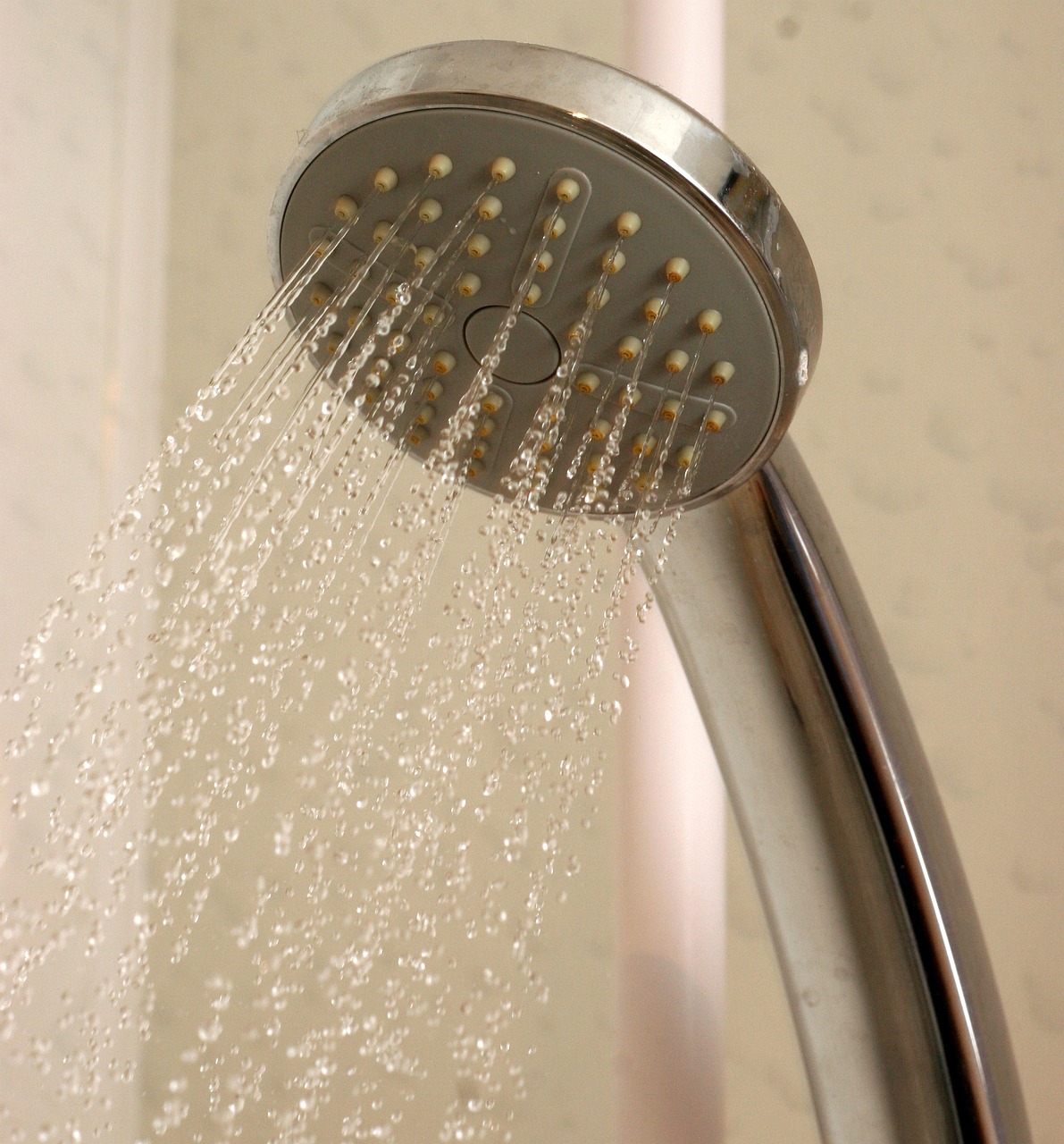
The type of showerhead makes a big difference to the amount of water you use when showering. An aerated showerhead is the most efficient showerhead because it makes less water feel like more water. Just by changing your showerhead to an aerated showerhead can reduce annual household carbon emissions by a quarter of a ton. It’s the simplest and most effective way to reduce your emissions in the bathroom.
Time in the shower
Reducing your time in the shower saves water and carbon emissions (as well as money). Reducing your time in the shower from 15 minutes to 5 minutes can reduce carbon emissions by extra two-thirds after changing the showerhead to an aerated one.
Type of boiler
Having an efficient boiler can significantly reduce carbon emissions. An efficient gas boiler is better than an electric boiler, however, the gap between a gas boiler and an electric boiler is changing because the UK’s national electricity grid is increasingly being powered by renewable energy.
How these factors change the carbon footprint of having a shower is demonstrated by research by Professor Bernes-Lee in his book ‘How Bad are Bananas?’:
55g CO2e 3 minutes, efficient gas boiler, aerated showerhead
160g CO2e 5 minutes in an 5 kW economy electric shower
250g CO2e 5 minutes in a typical 8 kW electric shower
1kg CO2e 15 minutes in an 11kW electric power shower
These factors make a very big difference to your carbon footprint annually.
Leave a Reply